Wilderness Landscape & Natural Heritage
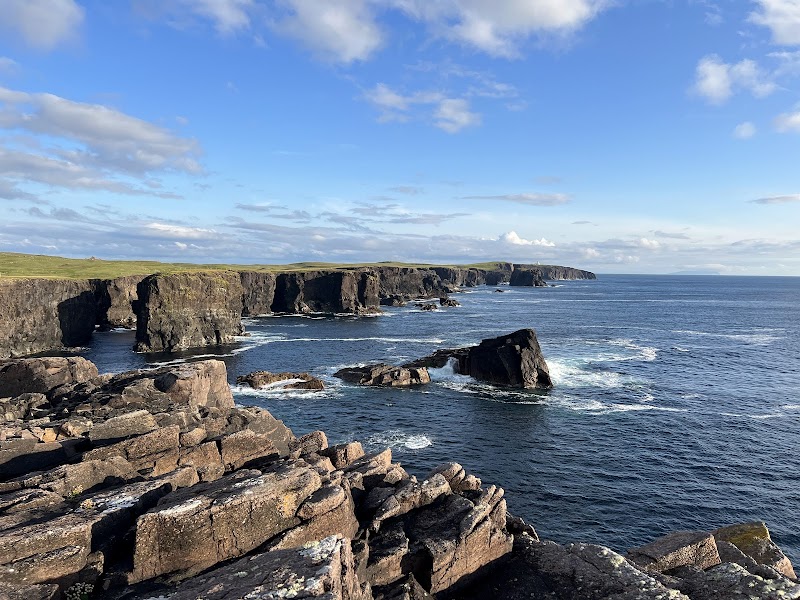
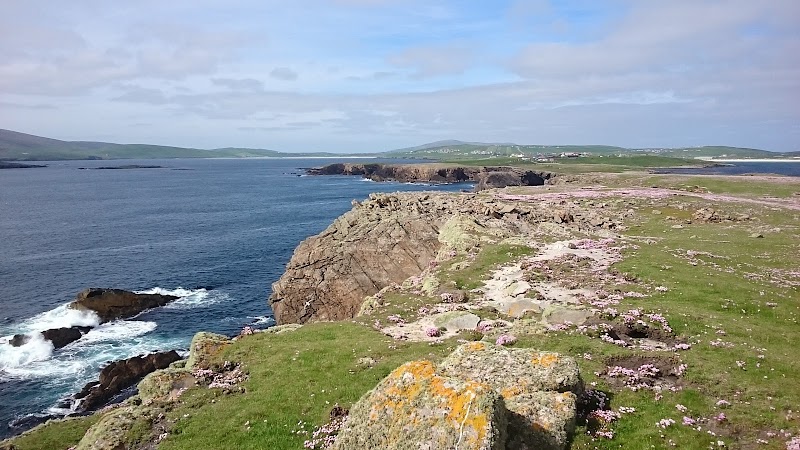
Lunna Nature Reserve is located in the northern part of the Shetland mainland in Scotland. This reserve encompasses a variety of habitats, including woodland, meadows, coastal cliffs, and wetlands. The reserve is especially important as a refuge for many native plant and animal species, including seabirds, waders, and rare orchids. The area features regenerating native woodland with species such as birch and rowan, contributing to Scotland’s efforts to restore natural habitats. Historically, the lands surrounding Lunna have been shaped by crofting practices, and the reserve reflects a blend of managed and natural landscapes. Key recreation activities include hiking on well-marked trails, birdwatching—particularly during migration seasons—and observing coastal ecosystems. The reserve’s paths offer views of the North Sea and nearby islands, with notable landmarks such as the ruins of Lunna House and traditional crofting landscapes nearby. Visitors are drawn to the calm, uncrowded environment and the chance to see species such as otters, seals, and various seabirds. Educational signage around the reserve helps explain ecological and cultural features, making it appealing for both casual visitors and those with a keen interest in natural history.