Wilderness Landscape & Natural Heritage
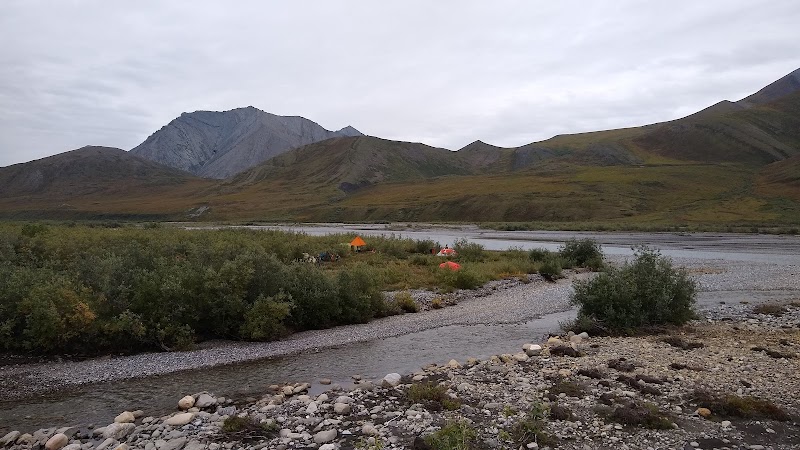
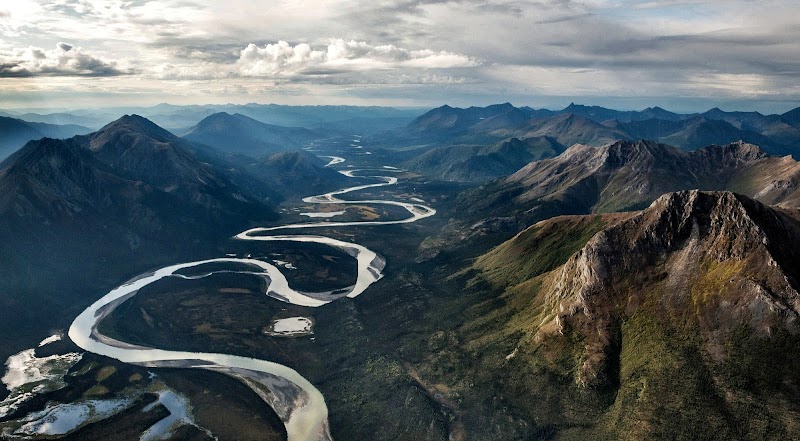
The Old Crow Flats Ramsar Site is a vast wetland complex spanning approximately 6,000 square kilometers in the northern part of Yukon Territory, Canada. It comprises an intricate mosaic of lakes, wetlands, peatlands, and tundra typical of the boreal and arctic transition zones. The area is globally significant for its rich ecological diversity, serving as a breeding and staging ground for numerous waterfowl species and a critical habitat for migratory birds, including swans, geese, and ducks. The wetland complex supports a variety of mammals such as caribou, moose, wolves, and bears, alongside a unique assemblage of fish and aquatic invertebrates. Historically, the Old Crow Flats have been home to the Vuntut Gwitchin First Nation, whose traditional knowledge and sustainable stewardship have helped protect this remote landscape for millennia. Access to the site is limited and primarily by air or rugged overland travel, preserving its wilderness character. Outdoor recreation here is minimal and focused on guided wildlife viewing, ecological study, and cultural tours, appealing to visitors seeking solitude, wilderness adventure, and connection with Indigenous heritage. The Ramsar designation recognizes Old Crow Flats' critical role in sustaining migratory waterfowl populations and its outstanding value as a wetland ecosystem on a global scale. Visitors are advised to prepare carefully for remote travel, respecting the fragile environment and cultural sensitivities. The site exemplifies the harmony between traditional Indigenous use and modern conservation efforts aimed at preserving vital Arctic wetlands from the impacts of climate change and industrial development.