Wilderness Landscape & Natural Heritage
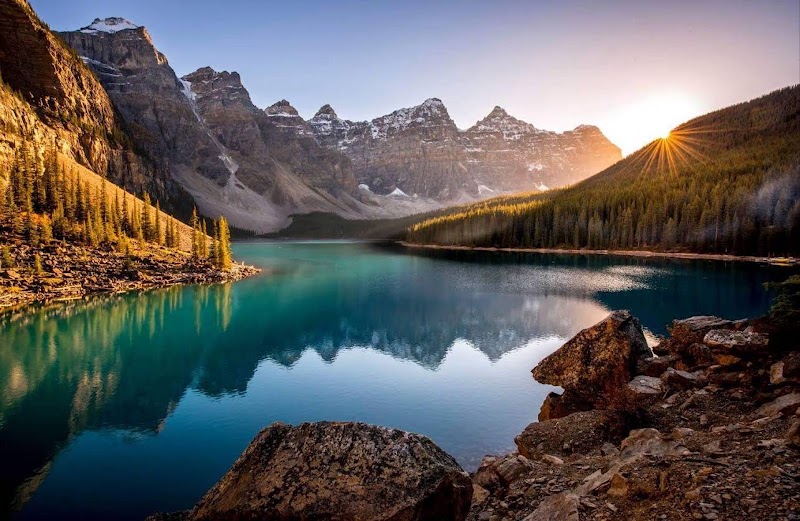
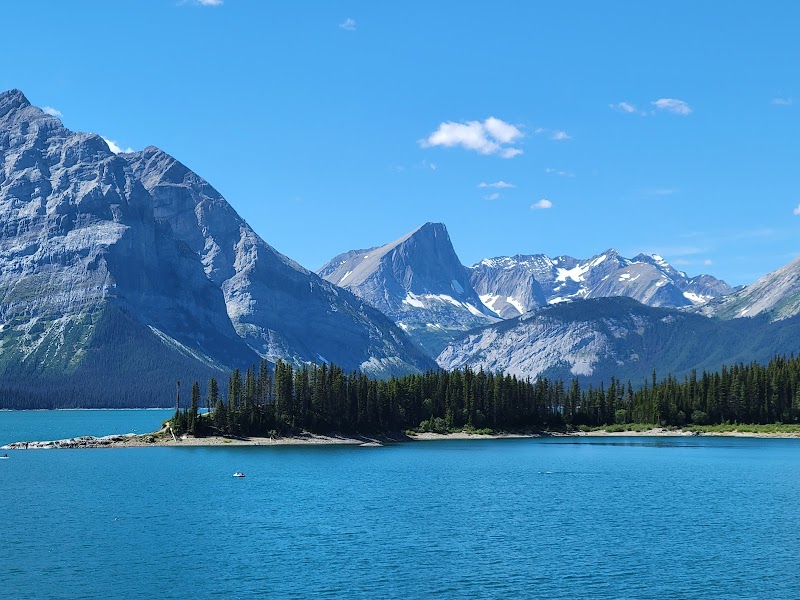
Located in southwestern Alberta within the Rocky Mountains, Castle Mountain Provincial Recreation Area is a notable natural feature known for its iconic multi-peaked limestone massif that rises prominently along the Trans-Canada Highway. The area is characterized by rugged cliffs, subalpine forests, and alpine meadows that provide habitat for diverse wildlife such as mountain goats, bighorn sheep, and numerous bird species. Geologically significant, Castle Mountain was formed from ancient sedimentary rock layers, making it a favorite for rock climbers and photographers seeking dramatic mountain landscapes. The mountain has a rich history; Indigenous peoples have long recognized the area for its natural prominence, and European explorers named it for its castellated appearance. Outdoor recreation opportunities include hiking several trails that range from moderate to challenging, with routes leading to viewpoints, ridge traverses, and technical climbing areas. The proximity to the hamlet of Castle Junction makes it accessible for day use or as a stopover within Banff National Park’s broader network. Visitors appreciate the area's scenic views of the valley and the Bow and Spray river systems below. Due to its location, the recreation area experiences seasonal weather typical of the Canadian Rockies, with snow accumulation in winter and mild summers. It provides a quieter alternative to the more heavily trafficked national parks while still showcasing spectacular mountain terrain and outdoor experiences.