Wilderness Landscape & Natural Heritage
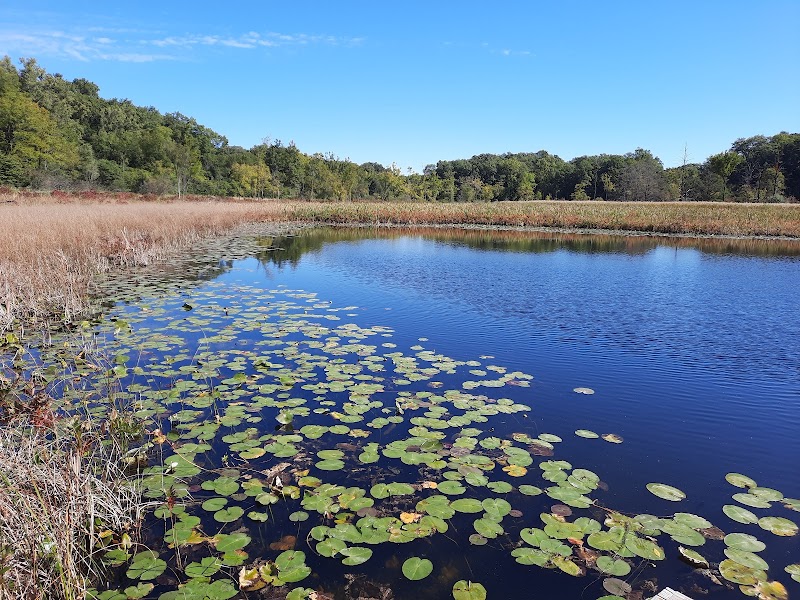
Kettle Moraine State Forest spans over 56,000 acres across southeastern Wisconsin and is distinguished by its remarkable glacial formations created during the last Ice Age. The forest area follows the Kettle Moraine ridge, a narrow, winding geological feature formed by retreating glaciers that left behind kettles (depressions), moraines (accumulations of glacial debris), and eskers (long, winding ridges). This varied topography supports mixed hardwood forests, wetlands, prairies, and kettle lakes, creating habitats for diverse wildlife such as white-tailed deer, wild turkeys, and numerous migratory birds. The forest is divided into four units: Northern, Southern, Pike Lake, and Lapham Peak, each offering distinctive outdoor experiences. Historically, Native American tribes inhabited the area, utilizing its natural resources. Today, Kettle Moraine State Forest is managed by the Wisconsin Department of Natural Resources and is a prime destination for hiking, mountain biking, cross-country skiing, horseback riding, fishing, and camping. Notable landmarks within the forest include the Lapham Peak Observation Tower, which provides panoramic views of the surrounding countryside, and the scenic Ice Age National Scenic Trail, which traverses much of the forest. Visitors are attracted by the forest’s blend of geological significance, natural beauty, and extensive trail networks that accommodate a variety of outdoor activities year-round.