Wilderness Landscape & Natural Heritage
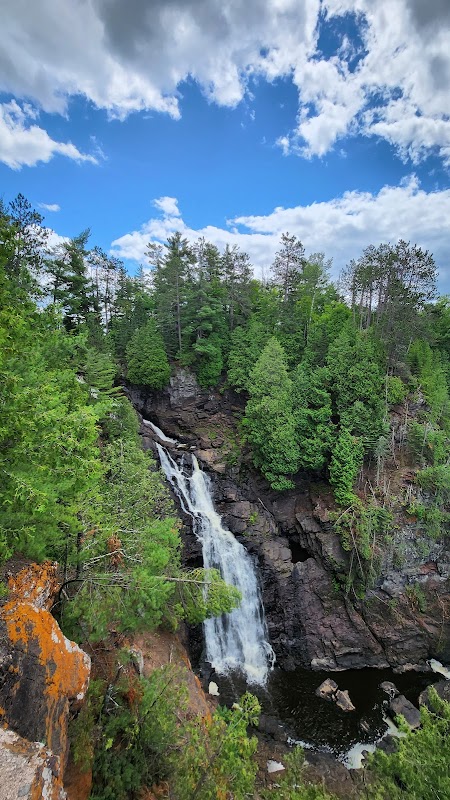
Interstate State Park is a distinctive state park located on both sides of the St. Croix River, spanning Minnesota and Wisconsin. It is renowned for its striking geological formations, especially the glacial potholes formed during the last Ice Age, which are large, deep depressions carved out by swirling meltwater and rocks. The park covers riverine landscapes, rugged sandstone cliffs, and forested hills, providing a mix of ecosystems that support a variety of wildlife including white-tailed deer, beavers, and numerous bird species. Established in 1895 on the Minnesota side and 1900 on the Wisconsin side, this park was the first interstate state park in the United States. It holds historical significance for preserving scenic beauty along the St. Croix River, a National Wild and Scenic River, which forms the natural boundary between the two states. Recreational opportunities are abundant in Interstate State Park, including hiking on trails that reveal panoramic river views and geological wonders, camping at developed campgrounds, rock climbing on exposed sandstone cliffs, fishing in the St. Croix River, and picnicking. The park also offers interpretive programs focused on geology and natural history. Key landmarks include the Glacial Potholes, the 1000 Steps Trail, and the St. Croix River itself. Visitors often come for both the outdoor activities and the chance to observe the unique glacial formations up close. The park’s access from both Minnesota and Wisconsin provides multiple entry points, making it a popular regional destination for families, rock climbers, anglers, and geology enthusiasts.