Wilderness Landscape & Natural Heritage
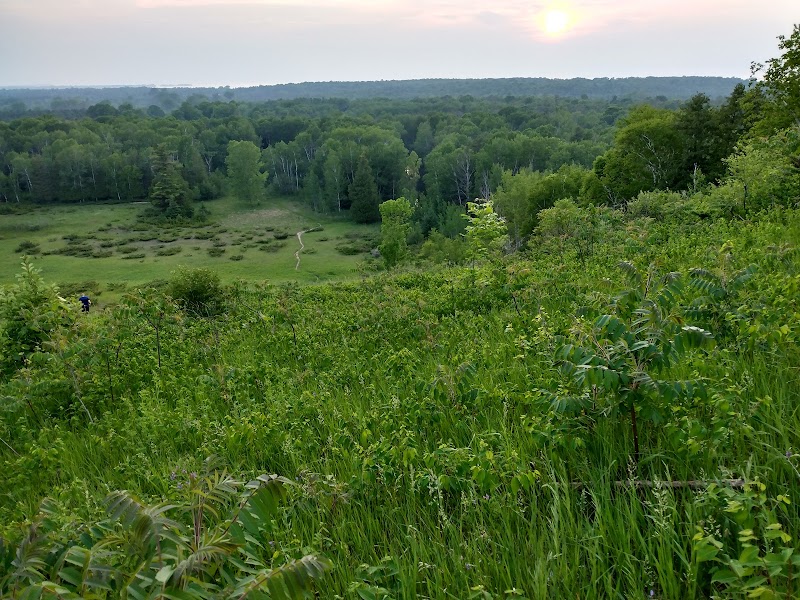
Covering approximately 235,000 acres in northeastern Wisconsin, the Menominee Indian Reservation encompasses extensive forest lands primarily composed of northern hardwoods and mixed conifers. The forest is carefully managed by the Menominee Tribe based on traditional ecological knowledge combined with modern forestry practices, making it a unique example of sustainable forestry. The reservation lies largely within Langlade, Shawano, Oconto, and Menominee counties. The area's topography is characterized by rolling hills, wetlands, rivers, and lakes, providing ideal habitats for diverse wildlife including white-tailed deer, black bears, timber wolves, and many bird species. Recreational opportunities on the Reservation include hiking, mountain biking, hunting, fishing, paddling, and snowmobiling during winter months. The Menominee Forest is also home to the Pine Creek Wild Rice Wetlands and a range of culturally significant sites, highlighting the tribe’s deep historical and spiritual ties to the land. Visitors appreciate the peaceful wilderness experience combined with interpretive information about Menominee forestry practices and cultural heritage. Scenic opportunities along river corridors and old forest growth patches add to the outdoor appeal. Unlike many public forests, the Menominee Reservation is managed through tribal governance, emphasizing conservation, sustainability, and respect for natural resources for future generations.