Wilderness Landscape & Natural Heritage
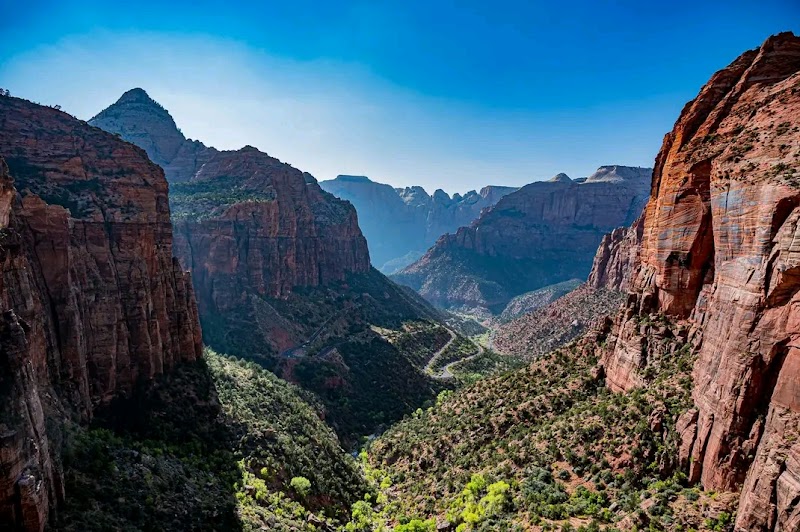
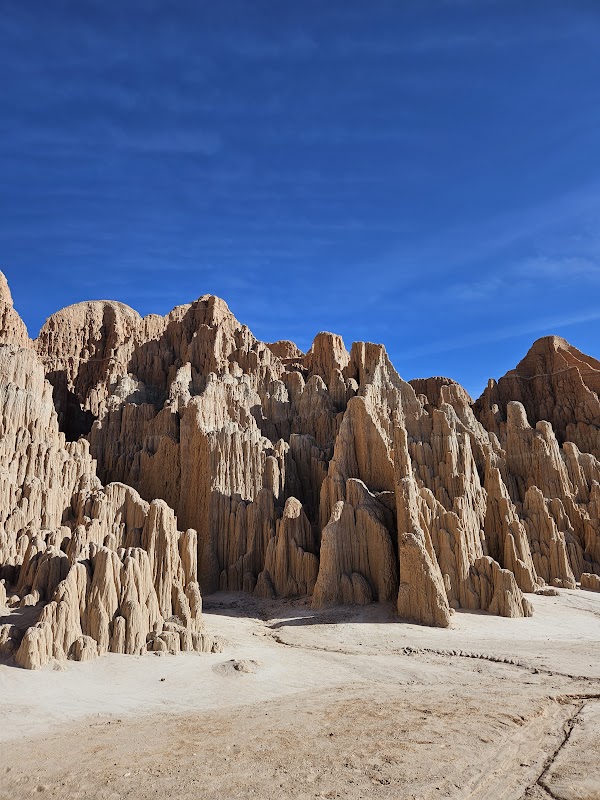
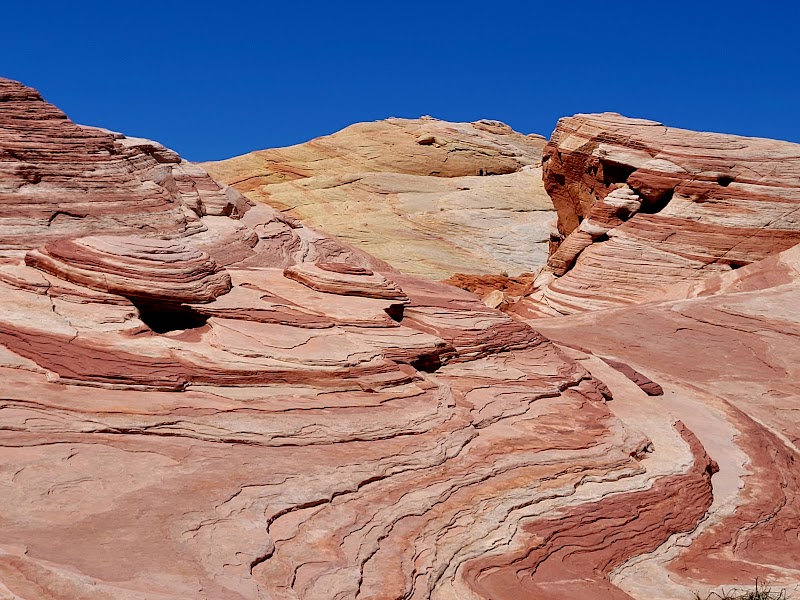
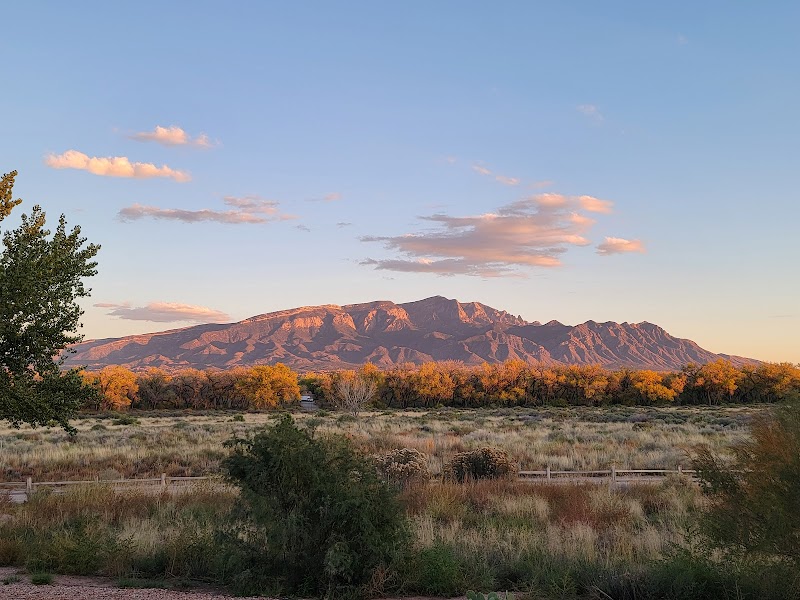
Meadow Valley Wash is a 115-mile intermittent river system located in southeastern Nevada, flowing through Lincoln County into the Muddy River and eventually contributing to the Lake Mead watershed. The wash drains a broad, arid basin characterized by desert scrub, pinyon-juniper woodlands, and riparian zones that support diverse wildlife amid otherwise dry surroundings. The wash cuts through rugged terrain including canyons and desert plains, providing important natural habitat in the Great Basin region. Historically, this area was used by Native American tribes such as the Southern Paiute and later by pioneers traveling routes in the Nevada desert. Although not formally designated as a National Park or Forest, Meadow Valley Wash is recognized for its environmental value and opportunities for hiking, wildlife observation, and nature photography. Key landmarks include the wash’s confluence with Muddy River and adjacent protected lands within the Desert National Wildlife Refuge complex. Visitors to Meadow Valley Wash can explore remote canyons and observe desert-adapted species such as desert bighorn sheep, mule deer, and various raptors. The wash’s seasonal flow results in varied landscapes—from dry riverbed sections to lush, green riparian corridors during wetter months. Its rugged trails appeal to experienced hikers and nature enthusiasts looking for solitude in one of Nevada’s less-traveled landscapes. The remote location means visitor facilities are limited, requiring self-sufficiency and awareness of desert conditions. The wash and its environs contribute to regional biodiversity and water resource management, highlighting the ecological importance of intermittent desert waterways.