Wilderness Landscape & Natural Heritage
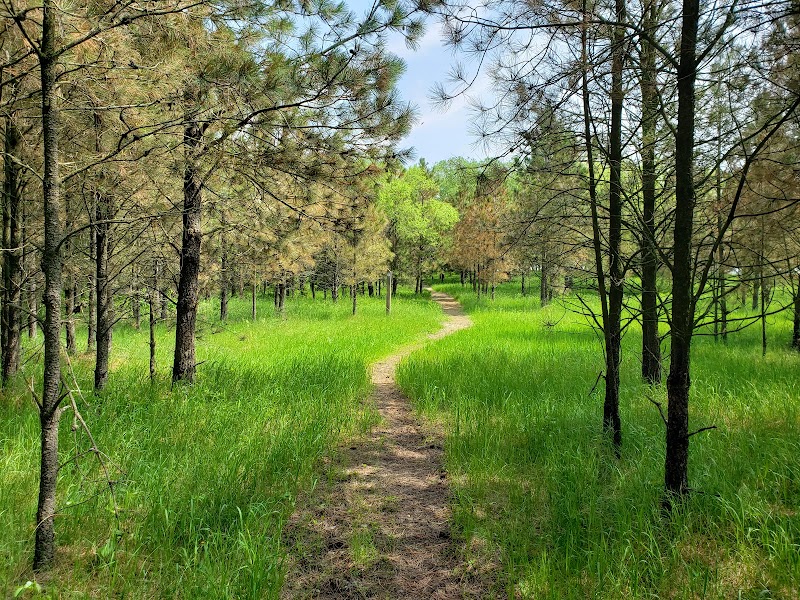
Tamarac Wildlife Management Area (WMA) covers an extensive tract of northern Minnesota's landscape, featuring a mix of wetlands, forests, and open water habitats. Located primarily in Becker and Clay counties, the area includes Tamarac National Wildlife Refuge and surrounding managed lands. The terrain varies from flat to gently rolling, with a rich mosaic of hardwood and coniferous forests, marshes, and prairie pockets. This environment supports a wide array of wildlife including white-tailed deer, black bears, beavers, otters, and numerous bird species such as trumpeter swans, bald eagles, and migratory waterfowl.
Established in 1969, the WMA aims to conserve habitat for game and non-game species while providing outdoor enthusiasts with access to hunting, wildlife observation, and low-impact recreation. Visitors can explore miles of hiking and cross-country ski trails winding through varied ecosystems. Fishing is popular in the area's many lakes and ponds, with opportunities to catch northern pike, walleye, and panfish. The area is also known for snowshoeing and snowmobiling in winter months.
Tamarac WMA offers a quiet, natural setting favored by birders, photographers, and nature lovers seeking peaceful immersion in northern Minnesota’s wilderness. It is managed by the Minnesota Department of Natural Resources, which maintains trails, impoundments, and interpretive sites to enhance visitor experiences while protecting critical wildlife habitat. The WMA complements adjacent federal refuges and state lands, creating a large conservation corridor critical for migratory species and regional biodiversity.