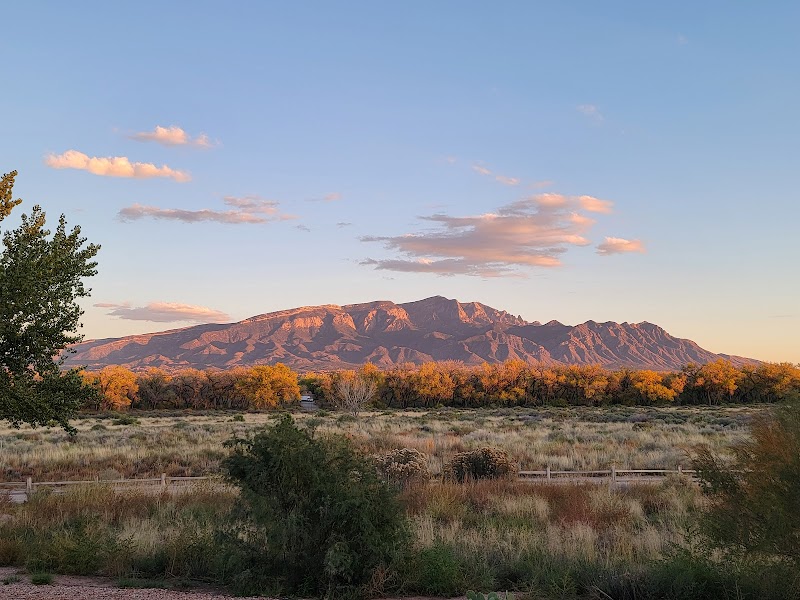
Wilderness Landscape & Natural Heritage
Bakersfield National Wildlife Refuge encompasses approximately 1,327 acres of wetlands and associated habitats in the southern San Joaquin Valley of California. Created in 1960 and managed by the U.S. Fish and Wildlife Service, the refuge provides vital habitat for migratory waterfowl, shorebirds, and a variety of other native wildlife, especially during fall and winter months. The refuge's landscape includes seasonal wetlands, upland grasslands, and vernal pools, offering a refuge for species adapted to the valley's semi-arid climate. Historically, this area was once part of extensive marshes and lakes but has been reduced significantly due to agricultural development. The refuge's role in preserving waterbird populations such as pintails, teal, and sandhill cranes is critical given the loss of habitat in the Central Valley. While public access is limited compared to some refuges, there are designated observation points and trails where visitors can enjoy birdwatching and wildlife photography. Regular bird surveys and educational programs are occasionally held to highlight the ecological importance of this area. Its proximity to Bakersfield makes it a convenient nature destination for residents and visitors seeking peaceful outdoor experiences focused on wildlife observation. The refuge also contributes to regional water quality and flood control efforts. Bakersfield National Wildlife Refuge stands as an important natural sanctuary amidst the heavily farmed landscapes of Kern County.