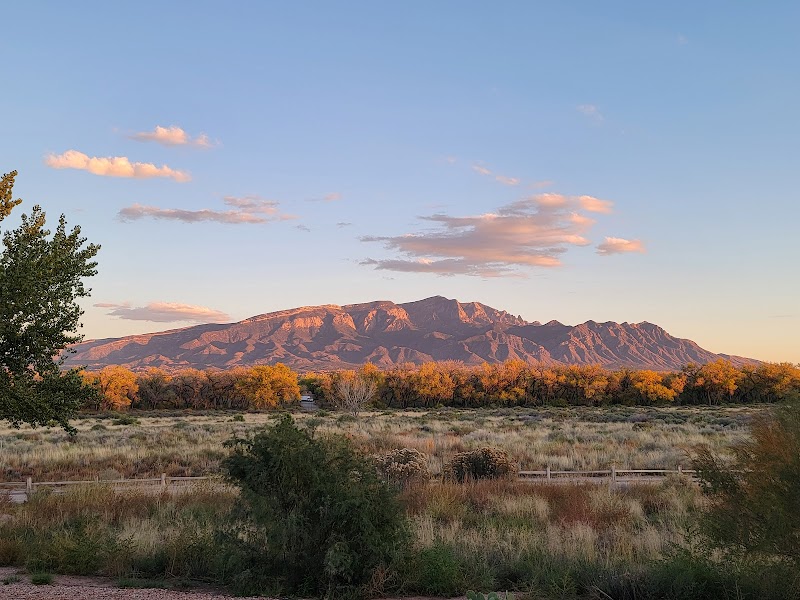
Wilderness Landscape & Natural Heritage
Located about 50 kilometers northwest of Johannesburg, South Africa, the Cradle of Humankind World Heritage Site covers a large limestone plateau spanning roughly 47,000 hectares. This site is globally recognized for its extensive fossil-bearing caves and paleoanthropological significance; it has yielded some of the oldest hominid fossils ever discovered, including Australopithecus africanus and Homo erectus specimens dating back over 3.5 million years. The area comprises numerous caves such as Sterkfontein, Swartkrans, and Kromdraai, many of which have designated tours allowing visitors to witness the underground chambers where these fossils were found. Beyond its prehistoric importance, the landscape features rolling hills, grasslands, and small rivers, supporting a mix of indigenous South African flora and fauna. The site provides educational and recreational opportunities including guided cave tours, fossil exhibitions at visitor centers, hiking trails, and wildlife viewing. Visitors are drawn by the combination of scientific heritage and outdoor adventure. Nearby Maropeng Visitor Centre offers interactive displays illustrating human evolution and the significance of the fossils uncovered here. The blend of natural beauty, cultural history, and hiking routes makes the Cradle of Humankind a unique destination for outdoor enthusiasts and history lovers alike.