The Adventure Collective Journal · Regional guide

Acadia & the Maine Coast

Granite headlands, carriage-road days, and harbor towns worth staying in. Choose an Acadia base, then give the midcoast room of its own.

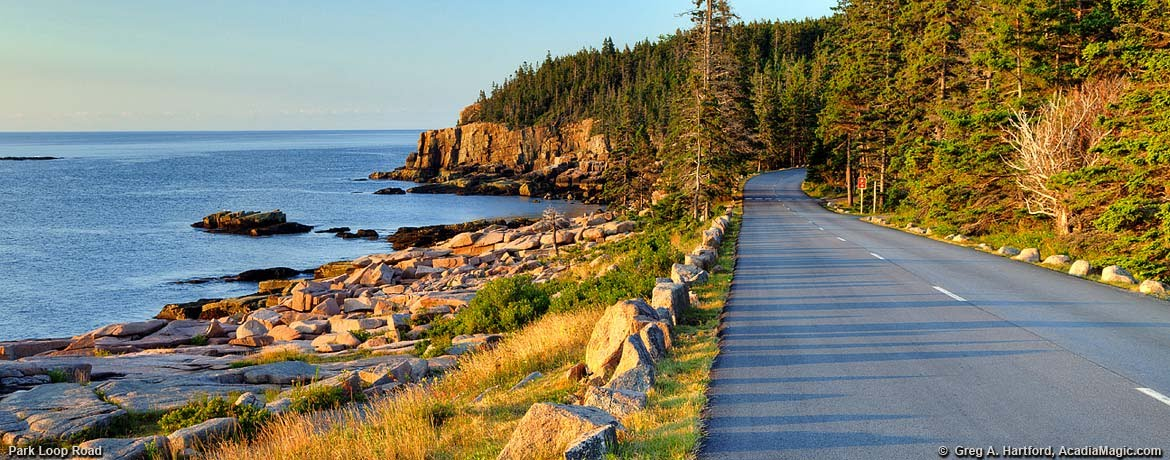
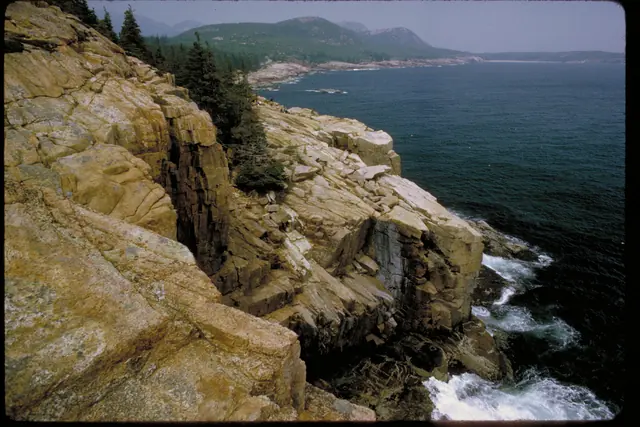
Rocky coastal cliffs in Acadia National Park, Maine.
Rocky coastal cliffs in Acadia National Park, Maine. · Photo: NPS / NPS staff

A little less driving. A little more time outside.

The useful question on this coast is not how many lighthouses you can fit between breakfast and dinner. It is where you want to wake up. Bar Harbor puts an Acadia trip within reach of rocky shore paths, mountain viewpoints, and a network of carriage roads. Camden makes a different promise: harbor life below wooded hills. Rockland gives art and the working waterfront equal standing with outdoor time. Choose the place that matches the trip, rather than treating three towns as interchangeable overnight stops.

Acadia itself is spread across distinct pieces of coast. Mount Desert Island holds the familiar combination of Cadillac Mountain, Jordan Pond, and Ocean Path. Schoodic is the park’s mainland district, with its own loop road and exposed headlands. Isle au Haut requires a ferry plan from Stonington. A park boundary on a map does not make these places one convenient day out. For a first three-day visit, stay on Mount Desert Island; add the midcoast or an outer district when you have time to settle in.

Choose where to linger

Choose a base, then settle in.

Bar Harbor is the Acadia base for this itinerary. Camden and Rockland offer separate midcoast stays.

01

Bar Harbor

For a first Acadia stay

Choose Bar Harbor when the park is the main event and you want to return to a town each evening. During the operating season, the Island Explorer connects town and park destinations, making your lodging’s relationship to a bus stop a more useful question than whether it has an ocean view. Check the actual route and last return before committing to a car-light stay.

The tradeoff is sharing a popular gateway with everyone making the same sensible choice. Build days around one area rather than repeated trips across the island. Save time in town for the downtown Abbe Museum, whose exhibitions address Wabanaki history and living cultures. It belongs in the trip on its own merits, not simply as somewhere to wait out rain. The museum’s Sieur de Monts location is currently closed for maintenance; check the downtown schedule before visiting.

02

Camden

For a harbor-and-hills midcoast stay

Camden suits travelers who want a coastal town with a climb above it. Camden Hills State Park supplies the outdoor backbone: Mount Battie for the harbor outlook, or a longer outing toward Ocean Lookout on Megunticook. Pick a route by its terrain, not merely its length; the short Mount Battie Trail includes steep pitches.

When open, the Mount Battie Auto Road offers an alternative to hiking uphill, although that does not make every summit surface accessible. Keep the rest of the day loose enough for the harbor and nearby Rockport. This is a strong separate stop before or after Acadia. Using it as a nightly base for Mount Desert Island would turn the trip’s best hours into transfers.

03

Rockland

For art, waterfront time, and weather flexibility

Choose Rockland if a substantial museum visit is as important as a summit. The Farnsworth Art Museum anchors a stay around American art, with a particular connection to Maine; give it a real block of time rather than a hurried stop between drives. Its main museum is wheelchair accessible, and current hours need checking before you build a day around it.

Rockland and Camden can share a midcoast itinerary without requiring a hotel change. Base in Rockland for an art-led visit and make Camden Hills your outdoor day; base in Camden if the hill-and-harbor pairing is the priority. Neither choice needs to imitate an Acadia trip. Leave room for waterfront wandering and a meal instead of adding another distant headland just because it appears on a coastal map.

Ways into the landscape

Rocky shores. Carriage roads. Harbor time.

01

Walk the ocean edge with room to turn back

Ocean Path links the Sand Beach area with Thunder Hole and the coast toward Otter Point. Make this a walk with pauses rather than a checklist of pull-offs. Thunder Hole’s sound depends on conditions; there is no need to chase a promised performance or get closer to breaking water.

For mobility planning, NPS identifies the section between the upper Sand Beach parking area and Thunder Hole as accessible, with Thunder Hole the most physically accessible entrance. Beyond Thunder Hole, uneven ground and granite steps change the outing. Choose a supported section instead of assuming the whole coastal route has the same surface.

02

Let the carriage roads change the pace

A carriage-road outing makes a useful counterweight to the park’s busy roadside overlooks. Choose a walking or cycling route from the official junction map, deciding how much climbing you want before setting off. A wide gravel road can still involve sustained hills; it is not automatically an effortless ride.

These are shared routes. Cyclists yield to pedestrians and horses, and everyone yields to horses. Bikes belong on permitted carriage roads, not hiking trails. Spring mud closures protect the surface, and cycling is prohibited on privately owned carriage roads. Check the current rules before hiring a bike or promising a particular circuit.

03

See Jordan Pond without turning it into an endurance test

Start with the view toward the Bubbles, then choose the walk that fits your group. The complete shore loop includes boulders and a narrow boardwalk; little elevation gain does not mean smooth footing. A shorter east-side out-and-back can be the better decision. There are also accessible paths near the pond, but that should not be read as an accessibility claim for the full circuit.

Jordan Pond supplies drinking water to Seal Harbor, and swimming is prohibited. If tea and popovers at Jordan Pond House are part of your plan, check its seasonal operation separately and leave enough flexibility that a restaurant visit does not dictate every hour outdoors.

04

Give the western shore a day of its own

Seawall, Ship Harbor, and the Bass Harbor area offer another way to organize an island day: forest, shoreline, and small settlements rather than a sequence of mountain objectives. Look at the park’s route descriptions before choosing a walk, especially if uneven rock or steps are a concern.

Bass Harbor Head Light is a tempting finale, but sunset comes with a serious parking bottleneck. Visit earlier if the lighthouse matters to you, use designated parking, and accept a full lot as a reason to continue elsewhere. The classic shoreline photograph involves a different approach from the accessible overlook; do not assume the image describes the route your group can use.

05

Extend deliberately to Schoodic or Isle au Haut

Schoodic rewards its own day or stay, particularly if you want headlands and bike paths to be the focus. Its mainland location means a separate transfer from Mount Desert Island. At Schoodic Point, natural granite has cracks, slopes, and uneven levels; accessible parking does not make the rocky shoreline universally accessible.

Isle au Haut is a more self-contained undertaking. Passenger ferries leave Stonington, services on the island are limited, and the Duck Harbor stop is seasonal. Plan around the operator’s current outbound and return schedule, carry what you need, and arrange camping in advance if staying at Duck Harbor. Neither district is a sensible last-minute addition to an already full Mount Desert Island afternoon.

A suggested journey

Three days based on Mount Desert Island

Use one island base for all three days. Move the days around the forecast, confirmed reservations, and your group’s energy. Camden and Rockland are separate extensions, not errands to squeeze between these outings.

  1. Day 1

    The eastern shore and Bar Harbor

    Start with the Sand Beach and Ocean Path area. Walk a section that suits your mobility and the conditions, with time to stop above the water. Use the seasonal shuttle if its schedule works. Return to Bar Harbor for the downtown Abbe Museum during its opening hours, or give the town an unhurried afternoon. Bar Island is an optional tide-dependent outing, not an automatic evening walk.

    Return to your Mount Desert Island base.
  2. Day 2

    Pond, carriage roads, and a weather-window summit

    Make Jordan Pond the morning’s anchor, choosing either a shore walk or a nearby carriage-road outing rather than insisting on both. Keep Cadillac Mountain for a clear-weather window if you have the required vehicle reservation. A daytime visit can fit the rhythm of a holiday better than an alarm before dawn. If the summit is socked in or reservations do not work, give the lower landscape the time instead.

    Return to your Mount Desert Island base.
  3. Day 3

    The western side, without a sunset deadline

    Explore the Southwest Harbor and Seawall side of the island, choosing a shoreline walk after reviewing the park’s current trail information. Add Bass Harbor Head Light if lawful parking is available; do not make reaching it at sunset the test of a successful day. Finish with enough time for dinner and packing. If Schoodic is your priority, substitute it for this whole day rather than adding it at the end.

    Return to your Mount Desert Island base.

Plan for the elevation

Plan for the season and the landscape.

Spring

Expect a staggered reopening, not a single start to the season. Carriage roads can close during thaw, and roads or facilities may open on different dates. Choose this season if you can adapt the plan after checking conditions; do not make a bike circuit or summit drive the unchangeable centerpiece.

Summer

Plan around congestion and the active seasonal transport network. Arrange lodging and any must-have reservations early, then keep each park day geographically compact. Check the bus timetable before leaving the car behind, and carry a layer even when the forecast makes the town look comfortably warm.

Fall

Woodland color gives the carriage roads and hills another reason to linger, but autumn is not a guarantee of empty parking. Check closing dates for transport, museums, and seasonal businesses. Shortening daylight also matters: choose the walk first, then leave a generous return margin rather than stacking sunset onto a full hiking day.

Winter

Plan a winter visit as a different trip. Most of Park Loop Road, including Cadillac Summit Road, normally closes to vehicles from December 1 through April 14, with limited exceptions. Snow, ice, and shorter days change the practical reach of a visit. Confirm lodging and meals directly, and use the official winter access information rather than a summer itinerary.

Make the trip work

Plan the details that matter.

Separate admission from Cadillac access

Acadia’s entrance pass and the Cadillac Summit Road vehicle reservation are different requirements. For 2026, NPS lists reservations for May 20 through October 25; check the live page for your travel year and booking windows. Other park areas do not require that vehicle reservation, and the Island Explorer does not serve Cadillac’s summit. Save confirmations before arrival because connectivity is unreliable.

Let the tide set the Bar Island plan

NPS describes the Bar Island land bridge as exposed around 1.5 hours before and after low tide. Check that day’s local tide information and leave a return margin; the rising sea closes the route. The bar and trail have uneven sand, gravel, and roots and are not accessible routes.

Respect water, weather, and trail closures

Stay back from the ocean’s edge, especially in rough conditions. Unexpected waves and slippery granite can make a seemingly modest shore stop dangerous. Check current closures before any hike; iron-rung and exposed-cliff routes require a different assessment from shoreline walks. Choose another outing when terrain, weather, or comfort do not match.

Build access around specific surfaces

Ask about the route you intend to use, not whether a whole destination is “accessible.” Island Explorer buses have wheelchair lifts; Bicycle Express vehicles are not wheelchair accessible. NPS publishes parking and mobility information, while individual trail pages identify steps and rough sections. Recheck conditions and any equipment arrangements before travel.

Before you settle on a plan

A few useful questions.

Can Camden or Rockland replace Bar Harbor as an Acadia base?

They work better as separate midcoast stays. Choose an island base for repeated Acadia days, then add Camden or Rockland for a different coastal experience.

Is Cadillac sunrise essential?

No. Choose a summit visit for the forecast and your interests. The reservation is a logistical choice, not a measure of whether you have experienced Acadia.

Can I visit without a car?

A carefully located Bar Harbor stay can support a seasonal shuttle-based visit. Verify routes, operating dates, and return trips first; Cadillac’s summit is not served, and a wider Maine coast itinerary needs its own transport plan.

What should I add with extra time?

Add Camden or Rockland for a midcoast chapter, Schoodic for another Acadia coastal district, or a separately planned Isle au Haut visit. Choose one extension deeply before adding all three.

Before you go

Check the day’s conditions.

Check current park requirements, road and trail conditions, and the forecast before each outing. Reservations and seasonal schedules can change.

Keep the essentials simple.

  • Check official access information for your travel dates.
  • Choose routes for your group’s mobility, experience, and the day’s conditions.
  • Leave room to change plans when weather or access changes.
Sources & editorial scope

Research checked 2026-10-16. This is a sourced planning guide, not a live access report or firsthand account. The itinerary stays on Mount Desert Island; the midcoast and outer districts are separate extensions.