The Adventure Collective Journal · Regional guide

Driftless Area & the Upper Mississippi

Follow a river out of Galena, walk prairie above the Mississippi, and leave room for the folded country between.

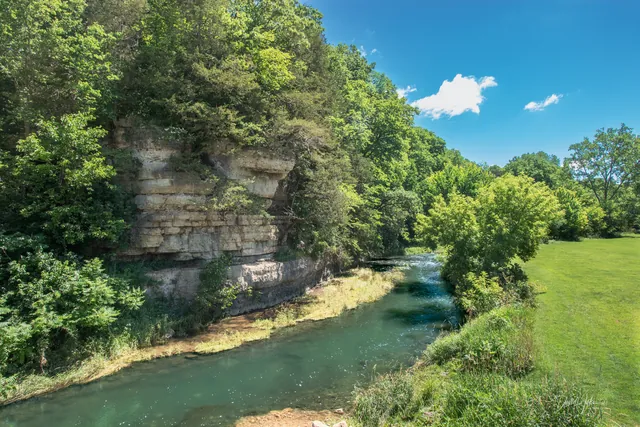
A green-blue river curves below layered limestone bluffs and leafy trees.
The Apple River beneath wooded limestone bluffs at Apple River Canyon State Park, photographed in June 2026. · Photo: David Jakes / Wikimedia Commons, CC BY 4.0 · CC BY 4.0 — image and resized versions · David Jakes visible signature at lower right (must remain in full frame) · © 2018 Adobe Systems, Inc. (embedded Camera Raw Modern 10 look notice, not photo copyright) · Copyright (c) 1998 Hewlett-Packard Company (ICC profile notice, not photo copyright) · Full-frame proportional Lanczos resizing and WebP compression; no crop, retouching or generative change. Embedded ICC profiles converted with Pillow ImageCms to sRGB before resizing where present, output sRGB ICC embedded; original EXIF stripped, credit/license/provenance retained in XMP and manifest.

A little less driving. A little more time outside.

The landscape asks you to change scale. A trail beside the Galena River keeps your attention close: the edge of the woods, the bend ahead, the movement of water. At Casper Bluff, that narrow world opens into Mississippi backwaters. Farther inland, Apple River Canyon turns the view upright again, with bluffs and ravines gathered around a smaller river.

Give this country a settled weekend. A Galena base lets you put a riverside walk, a prairie overlook and a wooded canyon on separate days, with the same bed waiting each evening. The pleasure is in having time to notice the transitions, rather than collecting every river town on one ambitious drive.

Choose where to linger

Choose one place to settle

Galena anchors the itinerary below. Pick one of the other bases when its landscape is the reason for your trip; none needs to become a compulsory stop.

01

Galena

Choose Galena for a weekend that starts gently and unfolds into the surrounding hills. The city’s river trail gives you an outing directly from town; the rural days can stand on their own without moving your bags. Make the first evening deliberately loose, so a late arrival does not turn into a hurried hike.

02

Decorah

Choose Decorah when cycling and a town-centered trail network are the priority. Trout Run Trail makes a useful spine for a separate stay, with off-road options for a different kind of day. Give this northeastern Iowa base its own nights instead of attaching it to the Galena itinerary.

Ways into the landscape

River level, bluff top, canyon floor

01

Follow the Galena River toward the backwaters

Begin near Depot Park and make an out-and-back of the Galena River Trail. Its finely crushed-rock surface suits walking and hybrid or mountain bikes; choose a turnaround that leaves energy for the return. The city describes the whole trail as eight miles one way, not an eight-mile loop.

The route toward Galena Junction follows woodland into Mississippi backwater country. Pause at interpretive signs rather than treating this as a mileage test. A spur reaches Casper Bluff, but bicycles must stay outside the reserve. For this itinerary, visit the bluff separately so the first day stays unhurried.

02

Walk softly at Casper Bluff

Prairie and a wide river outlook make Casper Bluff an invitation to slow down. Bring binoculars and let birdwatching set the pace. This is also the site of the Aiken Mound Group: approach the earthworks as cultural places, keep to established paths and leave everything undisturbed.

Check the preserve’s own notice before setting out. It posts closures beyond the general visiting schedule. Plan your walk with daylight to spare; do not assume that an evening view permits a return after the gates or trails close.

03

Trade the broad river for Apple River Canyon

Apple River Canyon concentrates the region’s relief into a more intimate landscape of rock, woods and running water. Choose a signed trail from the park’s current map rather than improvising along the stream or below a bluff. Pine Ridge, Tower Rock, River Route and Sunset are among the named woodland options.

For a shorter, specifically documented accessible outing, Illinois DNR identifies Primrose as a 300-yard wheelchair-accessible route from the campground to an observation deck. Confirm its current condition with the park. Accessible vault toilets connect to paved parking areas; this does not make every canyon trail accessible.

04

Build a Decorah day around Trout Run Trail

On a separate Decorah stay, use a portion of the paved Trout Run Trail or ride its full 11-mile circuit if it suits your group. Paved does not mean flat: the parks department describes steep switchbacks. Look at the map before choosing a family ride or a route for someone who needs gentle grades.

05

Find the river view at Eagle Point

For a Dubuque stay, pair a park walk with time at Eagle Point’s riverfront pavilion. The city identifies an accessible walkway from the pavilion toward the fish pond that bypasses steep stone steps. Ask about current access to that specific route rather than assuming every viewpoint is step-free. Pet dogs and cats are not permitted in this park; confirm service-animal arrangements directly if needed.

06

Let the current map choose your Starved Rock hike

For the Ottawa alternative, start with the visitor center’s route advice. Staircases and uneven terrain are integral to canyon walking here; Illinois DNR says the canyon and overlook trails are not ADA-compliant. Choose a manageable out-and-back from the routes actually open on your visit.

Construction continues through 2027. A trail that appears connected on an older map may no longer make a legal through-route. Turn around at barriers, stay on designated paths and finish in daylight. Waterfalls depend on rainfall, so make the canyon itself the reason to go.

A suggested journey

Three days with Galena as home

Keep the same Galena lodging throughout. This is a land-based plan with one main outing each day. Reverse days for weather or closures, and arrange your own transport to the rural trailheads.

  1. Day 1

    Day one: settle in beside the river

    Arrive in Galena, leave your bags and take a short Galena River Trail out-and-back. Let the available daylight determine your turnaround. This first outing is an introduction to the valley, not a commitment to the far end of the trail.

    Return to town for the evening. Before bed, check the Casper Bluff notice and Apple River Canyon information so tomorrow’s plan follows the latest access conditions.

    Galena, Illinois
  2. Day 2

    Day two: prairie above the Mississippi

    Make Casper Bluff the main outing, arriving with enough daylight for an unhurried walk and a long pause over the backwaters. Leave the bicycle behind, bring binoculars if you have them, and keep the mound area a quiet part of the visit.

    Return to Galena without adding a distant town. If Casper Bluff is closed, swap with day three. If both rural outings are unsuitable, keep the day in town; a closed preserve is not an invitation to try another entrance.

    Galena, Illinois
  3. Day 3

    Day three: a small river and a deeper fold

    Take a picnic to Apple River Canyon and choose one currently open signed trail. Use Primrose when its documented accessible route fits your group, after confirming conditions. Leave spare time to sit and look rather than chaining every trail together.

    Return to your Galena base for the final evening. Decorah and Ottawa remain ideas for another trip, leaving this one with a coherent beginning and end.

    Galena, Illinois

Plan for the elevation

Four ways the country changes

Spring: make room for a slower walk

Bring binoculars to Casper Bluff for migration season and keep the day flexible around rain. A shorter outing on firm ground is a better choice than pushing through a soft path. Carry layers for exposed overlooks and treat wet rock as a reason to turn back.

Summer: leave space around the main outing

Start with one walk or ride, then allow a long break rather than filling every daylight hour. Carry water and sun protection, and shorten the plan for heat or thunderstorms. The wooded canyon day and the open bluff day can trade places; no reservation to a particular view is worth ignoring changing weather.

Autumn: check the hunting calendar first

A clear day can make the overlooks tempting, but seasonal closures come first. JDCF posts preserve closures for firearm deer seasons, and Galena also closes its river trail during firearm deer hunting season. Check both managers individually; a closure at one does not establish the status of the other.

Winter: shorten the route, sharpen the plan

Make winter outings modest and reversible. Snow or ice can change a simple walk into a poor choice, especially at steps or bluff edges. At Dubuque’s Eagle Point, seasonal road-gate and amenity closures affect a visit even though walkers and cyclists may still enter. Confirm conditions before relying on a restroom or vehicle access.

Make the trip work

Plan the details that matter.

Design the trip around the least flexible need

Choose the base first, then check the specific outing that matters most to your group. A documented accessible trail, a no-pets park and a seasonal vehicle gate can all change which base works best. Confirm those details before choosing accommodation, and leave enough flexibility to replace a rural outing with time in town.

Before you settle on a plan

A few useful questions.

Can we see all four bases in this three-day itinerary?

The recommended trip stays in Galena. Decorah and Ottawa deserve separate stays, and Dubuque can anchor another Mississippi weekend. Trying to collect all four would replace the walks with a much broader road trip.

Is Starved Rock a guaranteed waterfall trip?

No. Waterfall flow depends on rainfall, and trail construction can affect which canyons are reachable. Check Illinois DNR’s project page and visitor-center guidance before choosing your hike.

Before you go

Check the day’s conditions.

Recheck Casper Bluff’s site-specific closures, JDCF’s hunting-season notices, Galena River Trail closures and Starved Rock’s active construction map before departure. At Dubuque, verify seasonal road gates and facilities. The suggested days are flexible plans, not assertions that every site is open today.

Keep the essentials simple.

  • Check official notices immediately before travel. As checked October 17, 2026, Casper Bluff lists an October 18 closure in addition to JDCF’s November 20–22 and December 3–6 firearm-season closures. Treat those dates as a dated notice, not a permanent annual schedule.
  • Do not equate a smooth-looking trail with wheelchair access. Primrose has a specific official accessibility description; crushed rock at Galena and steep switchbacks at Decorah warrant individual assessment. Ask managers about surface, grade and recent damage for your equipment.
  • This itinerary needs no boat shuttle or river crossing on foot. Keep it land-based unless you separately arrange a suitable guided water outing. Never walk around a barrier or use a streambed to bypass a closed trail.
  • Ordinary walks, organized groups and overnight camping have different requirements. Confirm group authorization or special-use requirements directly with the relevant manager. JDCF preserves do not allow camping; use designated lodging or a properly arranged campground instead.
  • Carry water, a downloaded map and a way to keep warm if the weather turns. Confirm seasonal facilities rather than relying on a water tap or toilet remaining open. Keep pets under the individual site’s rules; permission at one preserve does not transfer to another park.
Sources & editorial scope

Research checked 2026-10-17. Planning details were checked against official park, city and conservation-manager sources on October 17, 2026. Consult the linked managers again before departure, especially for hunting closures and trail construction.