The Adventure Collective Journal · Regional guide

Florida Keys: Let the Water Set the Pace

Three unhurried days in Key West, with room for a reef day, a shore day, and a change in the wind.

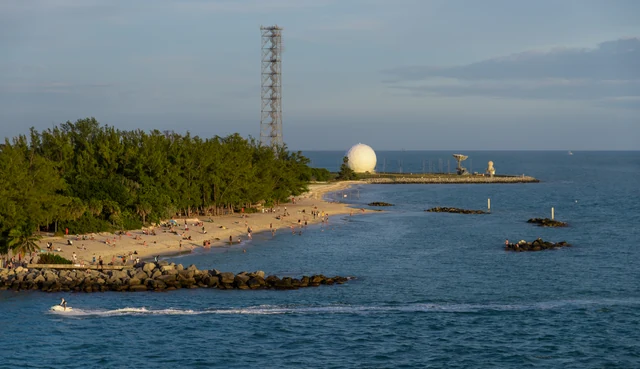
Beachgoers line a wooded shore beside rocky breakwaters, blue water and a distant communications tower.
Fort Zachary Taylor Beach in Key West viewed from the west, photographed in November 2025. · Photo: Julian Lupyan / Wikimedia Commons, CC0 1.0 · CC0 1.0 — image and resized versions · CC0 2025 Julian Lupyan, no rights reserved. · Copyright (c) 1998 Hewlett-Packard Company (ICC profile notice, not photo copyright) · Full-frame proportional Lanczos resizing and WebP compression; no crop, retouching or generative change. Embedded ICC profiles converted with Pillow ImageCms to sRGB before resizing where present, output sRGB ICC embedded; original EXIF stripped, credit/license/provenance retained in XMP and manifest.

A little less driving. A little more time outside.

At the end of the island chain, a map begins to feel mostly blue. Key West makes a good place to stop moving: unpack once, learn the shape of the shore, and leave a day open for the water. The pleasure is in paying attention rather than collecting miles.

A reef outing can be the centerpiece, but it should never become a promise the weather has to keep. Build a trip that still feels complete with dry feet. A little flexibility leaves more room for the things that make this coast distinctive: the water beyond the seawall, the texture of a shaded trail, and the slow return to town after an outdoor morning.

Choose where to linger

Two stays, two different coasts

Choose Key West for the Keys itinerary. Give Sarasota its own dates and accommodation if you extend the trip.

01

Key West

Make this your anchor for the whole visit. Choose lodging around the departures and shore outings you actually intend to use, then ask about parking, step-free access, and luggage arrangements before booking. A modest daily radius gives you time to notice the island instead of repeatedly packing for the next stop.

Use the first evening to confirm the next morning’s marine plan with your operator. The shore is your dependable organizing idea; a particular reef is a condition-dependent possibility.


02

Sarasota

Sarasota offers a separate Gulf Coast stay, with Myakka River State Park as an inland counterpoint to salt water. The park’s wetlands, prairie, and wooded habitats reward a slower, land-focused outing. Give this landscape its own morning rather than treating Sarasota as a quick excursion from Key West.

As checked on October 17, 2026, Myakka’s official page still posted a drinking-water outage notice. Bring drinking water and recheck the alert before leaving town. No Sarasota excursion is folded into the Keys itinerary below.

Ways into the landscape

Follow the shore, then look beneath it

01

A shore day at Fort Zachary Taylor

Start with the fort, then let the beach and shaded picnic ground loosen the schedule. The park also has nature trails, so swimming need not carry the whole day. Bring water shoes for the rocky bottom; there are no lifeguards. Stay out when conditions exceed your ability.

Treat this as an invitation to linger rather than a checklist. Pack something simple to eat, choose a shaded pause, and leave time to retrace whichever part held your attention.

02

A reef outing with a light footprint

Look through NOAA’s Blue Star operator resources when choosing a guided snorkel or dive outing. Discuss swimming ability, equipment, boarding, and the return ladder before committing. Ask how the destination changes with wind and sea conditions; an itinerary should bend before anyone’s comfort or safety does.

Keep fins and hands clear of the reef and leave marine life where it is. Sanctuary rules prohibit damaging coral, feeding fish while diving, and snorkeling without a dive flag. Have the operator explain the rules for the actual zone visited rather than assuming every patch of water has the same permissions.

03

A separate Sarasota morning at Myakka

On a Sarasota stay, trade the open coast for a landscape of wetlands and prairie. Choose an outing around birdwatching or a park walk, with a long pause to look rather than a race to cover ground. Confirm current trail and facility conditions with the park, carry your drinking water, and do not assume every route is step-free.

A suggested journey

Three days, one Key West base

Keep the same lodging for all three nights. Swap the water day with a land day if the marine forecast or operator recommends it; do not fill a cancellation with a more exposed outing.

  1. Day 1

    Day 1: arrive and settle into the shoreline

    Check into Key West and keep the first outing deliberately small. If arrival and park hours allow, make Fort Zachary Taylor the afternoon’s single destination. Otherwise save it for day three and take a quiet evening at your lodging.

    Confirm your water outing, meeting point, equipment, and weather decision process. Make no second major reservation that would pressure you to rush back.

    Key West
  2. Day 2

    Day 2: give the best conditions to the reef

    Use the most suitable weather window for the guided snorkeling or diving outing you have arranged. Let the operator choose a safe, permitted site for the group. Keep the afternoon open for food, rest, and conversation rather than attaching another excursion to a tiring morning.

    If the trip is canceled, switch to the shore plan when local conditions are safe. If storms make outdoor time unsuitable, stay indoors at your lodging and use NOAA’s virtual Eco-Discovery Center tour; the physical center was listed as temporarily closed when checked.

    Key West
  3. Day 3

    Day 3: return without rushing

    Revisit Fort Zachary Taylor or use today for the park outing deferred on arrival. You now have enough context to choose a small part of the day and give it your full attention. A land-only visit is a complete choice.

    Finish with an uncommitted evening in Key West. Do not add Sarasota or an ambitious offshore trip as a final-day extra. Keeping the third night here preserves the easy rhythm that made this itinerary work.

    Key West

Plan for the elevation

Four ways the year changes the trip

Winter: dry-season days, weather-aware water plans

December through February falls within the Keys’ generally drier season. Winter fronts still matter: a comfortable afternoon on land does not settle the question of offshore conditions. Keep a light layer handy and use the marine forecast to decide which day belongs on the water.

Spring: leave room for the transition

March and April remain in the drier period; May is a transition month. An early outdoor start gives the day a generous shape. Avoid filling every remaining hour before you know how much energy a boat outing takes from your group.

Summer: make the schedule smaller

June through August sits within the wet season. Build in shade, drinking water, and an indoor rest at your lodging. Thunderstorms and marine warnings can change an outing. Atlantic hurricane season begins June 1, so review cancellation terms and your departure plan before traveling.

Fall: flexibility is part of the plan

September and October remain in the wet season; November is transitional. Hurricane season continues through November 30, and Atlantic activity commonly concentrates from mid-August into mid-October. Follow local directives and postpone travel when authorities advise it. The best backup may be a different date.

Make the trip work

Plan the details that matter.

Match permission to the activity and zone

A boat reservation is not blanket permission to enter every protected area or collect wildlife. Check NOAA’s current zone rules with your operator. Special projects such as collecting, installing equipment, or some commercial filming can require sanctuary authorization; other agencies may also have jurisdiction. Fishing adds separate licensing and species rules. This itinerary does not include fishing or collecting.

Have somewhere to go before a storm

Identify a destination outside the Keys and a departure plan before a tropical threat develops. Follow county emergency instructions, including visitor evacuation orders. After evacuation, visitors may return only when local officials allow it; do not infer permission from a lodging reservation or a road appearing open.

Keep the closed visitor center off the route

NOAA’s Eco-Discovery Center page reported temporary closure for structural assessment and roof repair when checked October 17, 2026. No reopening date is assumed here. Its virtual tour is a useful alternative from your lodging, not a reason to travel to the closed building.

Before you settle on a plan

A few useful questions.

Can Sarasota fit into these three days?

Plan it as a separate stay. Sarasota is on the Gulf Coast outside the Keys; this itinerary keeps every overnight in Key West.

Is the reef day guaranteed?

No. Choose an operator and discuss weather changes before booking, then follow the marine forecast and the operator’s safety decision. A canceled outing is a reason to revise the day.

Before you go

Check the day’s conditions.

Recheck NWS marine forecasts, county emergency instructions, park alerts, and sanctuary access rules immediately before each outing. The Eco-Discovery Center closure and Myakka drinking-water notice were present at review; neither is a prediction of conditions on your travel dates.

Keep the essentials simple.

  • Accessibility: Fort Zachary Taylor lists accessible ground-level fort areas, interpretive panels, restrooms, parking, picnic facilities, and beach wheelchairs. Contact the park about your specific route and equipment needs; these amenities do not establish independent access to the sea or every trail.
  • Boat access: ask the individual operator about dock height, steps, transfers, onboard restrooms, seating, and water entry and exit. Do this before booking, especially if assistance is essential.
  • Carry drinking water, sun protection, and a way to keep essentials dry. Keep enough space in the schedule to stop, return, or change plans without losing the purpose of the day.
Sources & editorial scope

Research checked 2026-10-17. Official park, NOAA, National Weather Service, and county information checked October 17, 2026. Recheck alerts, access, and marine conditions before travel.