The Adventure Collective Journal · Regional guide

Lancaster & Pennsylvania Dutch Country

Market mornings, Pennsylvania German history, and the river hills: three days with Lancaster as home.

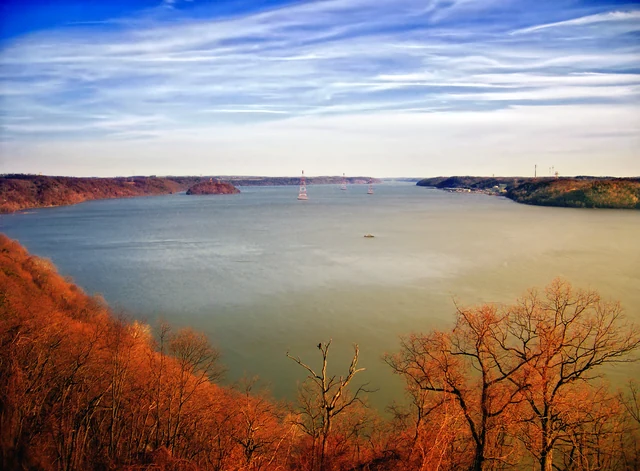
A broad river lies between wooded banks, with transmission towers and distant riverside development.
The Susquehanna River from Hawk Point Overlook in Susquehannock State Park, photographed in March 2008. · Photo: Hawk Point Overlook.jpg — Nicholas / Nicholas A. Tonelli, CC BY 2.0 · CC BY 2.0 — image and resized versions · Full-frame proportional Lanczos resizing and WebP compression; no crop, retouching or generative change. Source ICC profile retained where present; original EXIF stripped, credit/license/provenance retained in XMP and manifest.

A little less driving. A little more time outside.

Start with a market bag rather than a long driving loop. Lancaster makes room for a trip that moves between food, history, and the wooded country above the Susquehanna. A morning can belong to the city; a different day can belong to a meadow trail. There is no need to turn every country road into a sightseeing route.

The most useful distinction here is between places that invite visitors and places where people are simply living. Choose museums, public preserves, and businesses with posted visitor access. Let conversations happen on their own terms. A camera does not need to come out every time the landscape changes.

This guide keeps three nights in Lancaster and gives the river hills two deliberately different outings. Gettysburg offers a separate history-focused stay. Baltimore and Wilmington belong to their own city trips, with their own waterfronts and park systems. Add one when you can give it time, rather than turning this visit into a three-state collection of brief stops.

Choose where to linger

Choose where the trip begins.

Lancaster anchors the itinerary. The other three bases are separate stays for a different trip rhythm.

01

Lancaster

Choose Lancaster for a city-and-countryside stay: Central Market gives one morning a clear destination, while Landis Valley adds a public setting for learning about Pennsylvania German history. Keep the river excursions on separate days so the city is more than a place to park at night.

02

Gettysburg

Make Gettysburg its own stay when the battlefield is the purpose. Begin with the Museum and Visitor Center, then choose a limited part of the park to explore. The self-guided auto tour offers a vehicle-based approach; outdoor stops still vary in surface and accessibility. Leave time for interpretation and reflection.

03

Baltimore

Choose Baltimore for a separate Maryland city stay. Fort McHenry pairs historic interpretation with the paved Seawall Trail, giving a visit an outdoor dimension without making a long hike the requirement. Check the fort’s entry arrangements before building the day around its interior.

04

Wilmington

Wilmington is a Delaware alternative, not a Lancaster suburb. The city identifies Alapocas Run as an outdoor option within its wider park landscape. Use this as a starting point for a separately planned city stay; confirm the intended entrance, trail conditions, parking, and accessibility directly with Delaware State Parks.

Ways into the landscape

A market, a meadow, a wide river view.

01

Let the market set the morning

Central Market’s published regular days are Tuesday, Friday, and Saturday. Go with enough time to browse and buy something for later, rather than treating the hall as a photo stop. Check holiday changes before departure; if the market is closed during your visit, move this part of the plan rather than expecting daily opening.

03

Give the river hills a day

Susquehannock State Park occupies a wooded plateau in southern Lancaster County. Pick the main park for a picnic and a measured amount of walking. Pinnacle and Urey overlooks are separate properties within the complex: a shared park name does not make them one continuous walk. Download the manager’s map before setting out.

04

Choose the meadow route deliberately

At Clark Nature Preserve, the Lloyd Clark Trail is the designated universal-access option: a 0.9-mile meadow loop. House Rock’s shorter outing is a different proposition, with a moderate rock scramble at the overlook. Choose by surface and terrain, not distance alone; the longer Goodno loop is rated strenuous.

A suggested journey

Three days with one home base.

Reorder the days around market days, museum opening, and the forecast. Keep the same Lancaster lodging throughout.

  1. Day 1

    A Lancaster morning, then a history afternoon

    Use a Friday or Saturday, subject to holiday schedules, for Central Market followed by Landis Valley. Keep lunch and the transfer between them unhurried. On a different arrival day, move the market visit to an operating day and give the museum its own block of time; the two places do not share an opening calendar.

    Stay in Lancaster
  2. Day 2

    A picnic above the Susquehanna

    Head to the main Susquehannock State Park property for the day’s outdoor outing. Choose a short mapped walk and leave room to sit with the view. Do not add every overlook in the complex to the same plan. Return to Lancaster before the day becomes a series of transfers.

    Stay in Lancaster
  3. Day 3

    A meadow walk and time left over

    Choose the Lloyd Clark Trail for a gentler final morning, or select a different Clark route only after reviewing its terrain. Leave the afternoon open for Lancaster or departure. Gettysburg, Baltimore, and Wilmington stay off today’s checklist; each works better as the beginning of another stay.

    Stay in Lancaster, or depart after the outing

Plan for the elevation

Make room for the season.

Spring

Let recent weather decide how much walking to do. Stay on the marked route instead of widening a muddy path, and keep a museum visit as a flexible part of the plan. A date on the calendar cannot promise dry ground or open facilities.

Summer

Plan a shorter outdoor day when the forecast calls for heat. Carry water, take breaks, and remember that a historic museum is not automatically a cool refuge: Landis Valley notes that many buildings lack air-conditioning. Choose the outing your group will enjoy in the actual conditions.

Autumn

Check hunting information before entering a preserve. The Conservancy advises non-hunters to wear bright orange where hunting is allowed and to keep dogs leashed. A park and a preserve can have different rules; confirm the specific place rather than applying one regional assumption.

Winter

Choose a modest daylight plan, with time to turn back if the surface is icy. The Lloyd Clark Trail’s forest edge can offer winter river views, but a trail designed for access is not a promise of clear footing after a storm. Reconfirm museum hours and holiday closures.

Make the trip work

Plan the details that matter.

Be a guest, including with a camera

Discover Lancaster asks visitors to refrain from photographing Amish people. Keep residents out of the frame rather than assuming consent, including from a vehicle. Follow each host’s own photography policy at visitor attractions. Do not linger around private homes or enter land without an invitation. These are visitor practices, not a claim that every resident holds identical beliefs or preferences.

Match the route to the person

The Lloyd Clark Trail uses a packed, easy-grade surface; ask the Conservancy about current conditions and the facilities you need. Landis Valley warns of uneven gravel and brick, steps, narrow doors, and incomplete access in some historic buildings. For the separate Gettysburg stay, vehicle touring can reduce walking, but trails and individual stops are not uniformly accessible.

Check the rules for the activity

Lancaster Conservancy prohibits camping, overnight parking, and drones. Events involving 15 or more people or five or more vehicles require its approval, including informal groups. Ordinary sightseeing does not authorize other uses. For the separate history stays, consult NPS fee pages: Gettysburg museum programs and Fort McHenry’s historic area have their own admission arrangements.

Keep the day within its limits

Susquehannock day-use areas close at dusk. Conservancy preserves also close overnight. Check manager notices before each outing, stay on marked paths, and respect barriers at overlooks. Build a turnaround point into the day instead of relying on a distant landmark to tell you when to head back.

Before you settle on a plan

A few useful questions.

Can we use Lancaster as the base for all three days?

Yes. The itinerary returns to Lancaster each evening; the other listed bases are separate stays rather than required transfers.

Is the shortest Clark walk the most accessible?

No. House Rock includes a rock scramble. Choose the specifically designated Lloyd Clark universal-access trail when its surface and current conditions suit your needs.

Can we photograph people from a public roadside?

A public vantage point does not establish consent. Follow the local visitor guidance to refrain from photographing Amish people, and respect everyone’s privacy and each property’s rules.

Before you go

Check the day’s conditions.

Check the selected property before travel. Museum schedules, preserve notices, surface conditions, and access needs should decide the final plan. The guide does not certify that a trail or building is open on your travel date.

Keep the essentials simple.

  • Reorder the itinerary around confirmed opening days. Do not assume a business is open because another nearby business is.
  • Use lawful parking and posted public entrances. Never turn a private lane, farmyard, or home into a viewing area.
  • Download the park or preserve map before departure. Carry water, footwear suited to the selected route, and enough daylight for the return.
  • This itinerary is for walking and museum visits. It does not establish permission for camping, boating, hunting, drone use, events, or commercial photography.
Sources & editorial scope

Research checked 2026-10-17. An independently researched planning guide, not a firsthand account or live access report. Check the linked managers before traveling.