The Adventure Collective Journal · Regional guide

Mystic & Coastal New England

Maritime workshops, woodland paths, and the edge of Long Island Sound. Settle into Mystic, then choose a different coast or city for another stay.

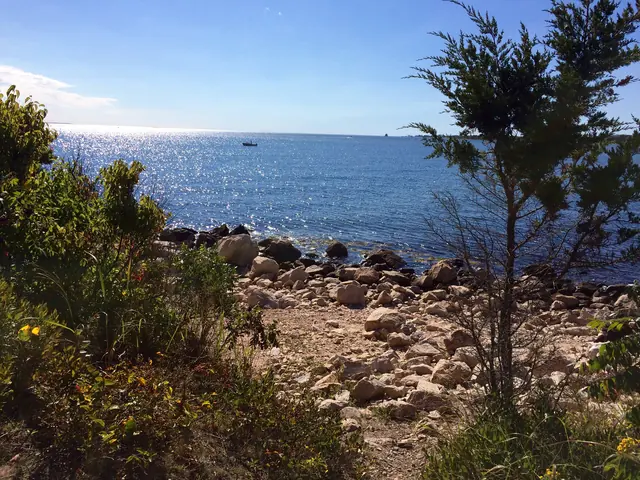
Shoreline rocks and shrubs frame blue coastal water and a small boat.
Long Island Sound from the rocky shore at Bluff Point State Park in Groton, photographed in September 2015. · Photo: BluffPointSP IMG 1527.jpg — Morrowlong, CC BY-SA 4.0 · CC BY-SA 4.0 — image and resized versions · Full-frame proportional Lanczos resizing and WebP compression; no crop, retouching or generative change. Source ICC profile retained where present; original EXIF stripped, credit/license/provenance retained in XMP and manifest.

A little less driving. A little more time outside.

Mystic works best when the water is a thread through the trip, rather than a reason to drive the entire shoreline. Spend one day looking closely at maritime work, another in the woods, and a third where a coastal trail opens toward Long Island Sound. Three nights in the same place leave room for the small decisions that make a trip feel like a break: another exhibit, a longer lunch, or turning back before a walk becomes a march.

Connecticut and Rhode Island offer several different versions of that trip. Newport favors an exposed shoreline walk; Narragansett puts the beach first. New Haven and Providence reward a city stay, while Hartford and the Litchfield Hills take the journey inland. Block Island changes the practical equation altogether: its ferry or flight belongs in the plan before its walks do. Choose one of these as a separate stay, rather than treating the list as a route.

Choose where to linger

Choose the trip you want to wake up in.

Stay in Mystic for the itinerary below. Each other base offers a different reason to return on another trip or add more nights.

01

Mystic

For the full three-day stay

Make Mystic the anchor when you want museum time and outdoor walks in the same short trip. The Seaport and Denison Pequotsepos Nature Center provide different ways into the landscape: one through maritime trades, the other through local habitats. Pick lodging for the outings you actually intend to do, and arrange transport to each rather than assuming every address is a downtown stroll.

02

Newport

For a separate shoreline stay

Choose Newport when the Cliff Walk is a principal reason for traveling. Keep the day flexible enough to walk a selected section and return without chasing a complete traverse. The city reports a damage-related detour between Narragansett Avenue and Webster Street; follow current signs. This is a different lodging choice from Mystic, not the next stop in its daily itinerary.

03

New Haven

For an art-led city break

Give New Haven its own urban stay, with Yale University Art Gallery as an anchor. Its Chapel Street location makes an art-focused day a concrete alternative to another coastal outing. Check opening days before arranging the trip and leave time for the collection instead of making the gallery an emergency rain stop. The visitor page identifies an accessible elevator opposite the main entrance.

04

Providence

For a separate history-minded city stay

Begin a Providence stay at Roger Williams National Memorial. Its downtown visitor center introduces Williams and religious freedom through exhibits and a film, while interpretation continues outdoors. Use that orientation to shape a city day at your own pace. This guide does not depend on an evening event taking place or ask you to commute here from Mystic.

05

Litchfield Hills (Torrington)

For an inland pond-and-woods alternative

Torrington changes the emphasis from saltwater to an inland landscape. Burr Pond State Park supplies a practical outdoor anchor, with a pond circuit and picnic options. Choose this base for a separate hills stay. A pleasant-looking shore does not tell you whether the trail beyond it is suitable for your group; the park describes rock crossings on its Walcott Trail.

06

Narragansett

For days organized around the beach

Choose Narragansett for a separate beach stay and make Scarborough North one possible outing. Its pavilion and boardwalk allow a day to include more than time on the sand. State-beach parking arrangements are separate from other beach operators, so check the exact beach you plan to use. Decide on the coast you want before booking lodging.

07

Hartford

For an inland museum stay

Hartford is an inland city alternative, with the Wadsworth Atheneum giving an art-led visit a clear center. Build the day around its actual opening schedule, particularly when traveling early in the week. The museum lists an accessible entrance at 29 Atheneum Square North. Keep this as its own stay rather than adding a return drive to a full Mystic day.

08

Block Island (New Shoreham)

For a separately planned island stay

Choose Block Island when getting offshore is the point of the trip. Plan the crossing, accommodation and onward island transport together. The national wildlife refuge offers a North Light walk, but it is not at the ferry landing. Avoid booking a tightly timed mainland commitment immediately after your intended return; leave room to respond if your crossing changes.
Ways into the landscape

Shipyards, woods, and a wider horizon.

01

Look at the coast through its working trades

At Mystic Seaport Museum, the re-created village and preservation shipyard turn a waterfront visit into a day about making and maintaining things. Choose a few demonstrations or exhibits to follow closely. The Charles W. Morgan provides a way into the history of whaling; allow the interpretation to complicate the picture rather than treating a ship as scenery.

Plan access at the level of the building or vessel. The museum describes unpaved roads, cobblestones and gangways, and says only about one-third of buildings have wheelchair-accessible entrances. Its accessibility guide is more useful than a general label for the whole site.

02

Trade the waterfront for a woodland morning

Denison Pequotsepos Nature Center makes a change of pace without moving the trip to another region. Start with habitat exhibits if they interest you, then choose a modest walk from the trail map. Woodland, wetland and meadow environments reward stopping to look, not simply covering the network.

Do not assume that the nature center and Coogan Farm have identical pet rules: dogs are prohibited on trails around the nature center, while leashed dogs are welcome on Coogan Farm trails. Keep to marked routes and leave plants and animals undisturbed.

03

Walk toward the Sound at Bluff Point

Bluff Point in Groton is the outdoor centerpiece of the Mystic stay. The state lists a 3.45-mile multi-use gravel loop; choose it when that distance and surface suit your party, or make a shorter out-and-back. A broad path is not a promise of step-free or wheelchair-suitable conditions.

The coastal reserve contains sensitive habitat. Stay on established routes and official dune crossings, respect blocked trails, and keep observation at a distance. Make this a walking day rather than adding an unplanned paddle simply because a launch is nearby.

04

Choose a section of Newport’s Cliff Walk

For a separate Newport stay, treat the Cliff Walk as a coastal outing with a turn-around decision. The city describes a 3.5-mile route with only about two-thirds in easy walking condition. Do not equate the entire trail with a paved promenade. Check the official detour notice before choosing access points, and stay outside closed areas.

05

Circle inland water at Burr Pond

From a Torrington stay, consider the 2.5-mile Walcott Trail loop. The park rates it easy to moderate and notes rock crossings, so choose footwear and a pace accordingly. A picnic can be the rest of the plan. For a longer hike, use the current map to choose deliberately rather than following a connecting trail without knowing where it leads.

06

Give the island’s north end its own outing

On a separate Block Island stay, arrange transport from the harbor area before setting out for the refuge and North Light. USFWS places the refuge about four miles from the ferry landing. Bring water and sun protection, respect refuge signs and keep pets away; service animals are permitted. The agency’s mainland headquarters address is not an island trailhead.

A suggested journey

Three days, one Mystic base.

Arrive the evening before if possible. Rearrange these days around opening schedules and the forecast; none requires an overnight move.

  1. Day 1

    A day for maritime history

    Begin with Mystic Seaport Museum after checking its calendar. Spend the morning with the village or shipyard, take a proper lunch break, then choose one further exhibit or vessel experience that suits your interests and access needs. Leave the evening open. The point is to give the place enough time, not to add another town before dinner.

    Stay in Mystic
  2. Day 2

    Look closely, then leave the afternoon loose

    Visit Denison Pequotsepos Nature Center for exhibits and a short mapped walk. Let your interest determine the distance: a pond, a bird or a patch of woodland can be enough. Keep the afternoon available for rest or a separate Coogan Farm visit, using the correct entrance and trail map. Do not assume you need to walk the connecting network.

    Stay in Mystic
  3. Day 3

    A coastal walk with an early turn-around option

    Head to Bluff Point in Groton with water, food and the park map. Choose the loop only if its distance suits the group; otherwise turn back along the approach. Return to Mystic with time to pack or enjoy a final unhurried meal. If exposed conditions make the outing unappealing, use a confirmed museum opening instead and leave the coastal walk for another visit.

    Stay in Mystic, or depart after the day’s outing

Plan for the elevation

Let the season set the scale.

Spring

Use spring for a slow nature-center walk, looking for emerging plants and listening for migrant birds. Keep the day short enough to adjust to wet ground and your group’s comfort. A museum visit and a walk can be separate days; there is no need to combine them just because the map looks compact.

Summer

For a beach alternative, check parking capacity, water-quality notices and lifeguard coverage before leaving. Beach weather and safe swimming conditions are different questions. Ask lifeguards about the water, and choose a guarded beach rather than treating an attractive cove as a swimming recommendation.

Autumn

Let a walk absorb the afternoon instead of trying to collect foliage stops across both states. The nature center’s seasonal notes describe oak, maple and sassafras color and changing birdlife; they do not promise a peak-color date. Recheck museum schedules as the season changes.

Winter

Build around a confirmed indoor visit and make outdoor time optional. Mystic Seaport changes its operating schedule seasonally; a museum with outdoor grounds still calls for weather-appropriate clothing. For an island trip, confirm the exact crossing and vessel rather than carrying a summer plan into winter.

Make the trip work

Plan the details that matter.

Ask about the exact entrance and surface

For Mystic Seaport, use the site’s building-by-building accessibility information to select an achievable visit. For Block Island, ask the ferry operator which vessel will serve your sailing and whether its boarding and restroom arrangements meet your needs. Accessible terminals do not establish equivalent facilities aboard every vessel.

Separate passenger plans from vehicle plans

The Point Judith route is the year-round ferry option identified by the operator. Check the schedule for your date and arrange your return as carefully as your outward trip. Bringing a car is a different booking: the operator currently requires advance telephone reservations and vehicle check-in one hour before sailing. Recheck the current policy, cancellation terms and any service notifications before paying.

Budget by site, not by region

Check admission and parking policies at each stop rather than assuming one pass covers the trip. Rhode Island state-beach passes cover the state system listed by the agency. Organized groups and special activities can have separate permit requirements; Scarborough’s page directs groups to Special Use Permits. For an ordinary personal visit, review the applicable site instructions without assuming every outing needs a reservation.

Before you settle on a plan

A few useful questions.

Can all eight bases fit into this three-day itinerary?

Choose Mystic for these three days. Newport, New Haven, Providence, Torrington, Narragansett, Hartford and Block Island are separate stay options. Trying to include them all would replace the guide’s unhurried outings with transfers.

Is Block Island an easy extra stop from Mystic?

Treat it as a separate plan. Confirm a dated crossing, your return, island transport and lodging if staying overnight. Vehicle reservations and vessel accessibility need their own checks.

Is this a beach-swimming itinerary?

The Mystic itinerary focuses on museums and walks. For a separate Narragansett beach stay, check local water conditions and lifeguard coverage; sunny weather does not establish safe swimming.

Before you go

Check the day’s conditions.

Recheck opening days, trail notices, Newport detours, beach conditions and ferry service before travel. These sources support planning, not a guarantee that any route or service is operating now.

Keep the essentials simple.

  • Check each attraction’s current calendar before selecting travel dates. A three-day stay need not mean three consecutive museum operating days.
  • Arrange local transport for the Mystic itinerary. No walking connection, drive time or public-transit frequency is assumed between lodging, the museum, the nature center and Bluff Point.
  • Carry the current trail map, water and weather layers. Respect closures; an itinerary recommendation does not establish access today.
  • If adding fishing or shellfishing, consult the relevant state and local requirements first. Bluff Point specifically requires a shellfishing permit; the walking itinerary does not include harvesting.
Sources & editorial scope

Research checked 2026-10-17. An original, sourced planning guide, not a firsthand account or live access report. Check operators and land managers again before travel.