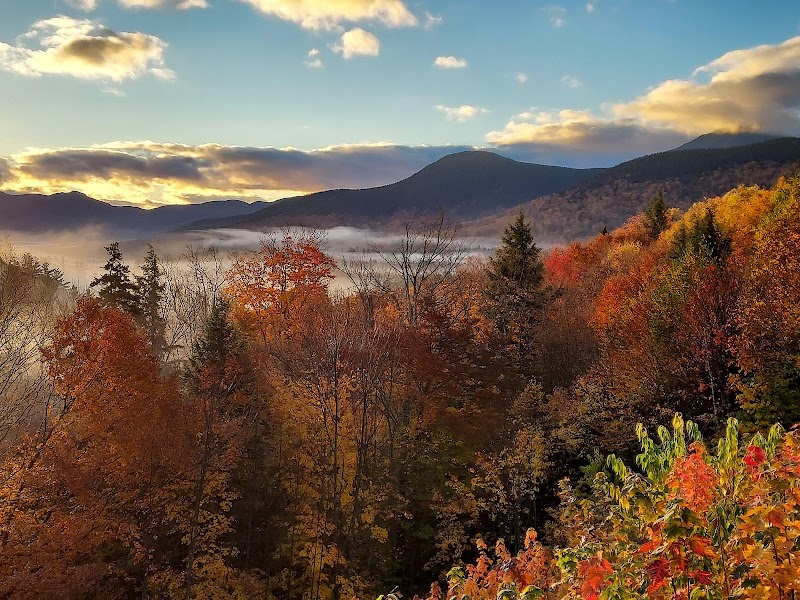
The Adventure Collective Journal · Regional guide

New Hampshire’s White Mountains

Granite gorges, mountain-lake walks, and three unhurried days around Lincoln and Franconia. Keep Manchester, Vermont, for a separate stay.

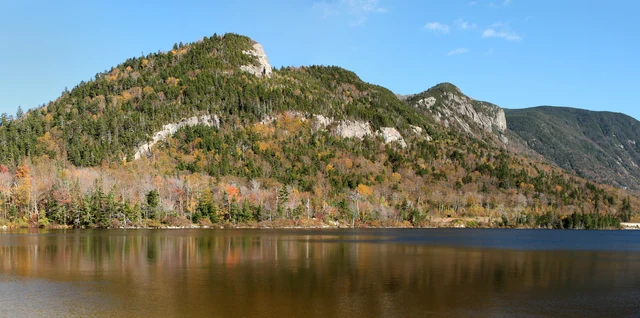
Forested cliffs and autumn foliage reflected in Echo Lake at Franconia Notch.
Autumn scenery beside Echo Lake in Franconia Notch, photographed in 2013. · Photo: Echo Lake, Profile Rd, Franconia (494041) — photograph by Christine Linsdell; source attribution Robert Linsdell; ©2013 Robert David Linsdell, some rights reserved, CC BY 4.0 (embedded notice); used under source-page CC BY 2.0, via Wikimedia Commons · CC BY 2.0 — image and resized versions · CC BY 4.0 — retained embedded notice · ©2013 Robert David Linsdell, some rights reserved, CC BY 4.0 · Resized with Lanczos and encoded as lossy WebP; aspect ratio and full frame retained. No crop, generative edit or content removal.

A little less driving. A little more time outside.

The White Mountains ask you to pay attention to scale. A road can put you beneath an enormous cliff in minutes; the trail toward its skyline can demand the rest of the day. Around Lincoln and Franconia, that contrast is the pleasure of the trip. You can spend a morning following water through granite, another climbing through forest toward a mountain lake, and a third finding a comfortable place to watch the notch change with the light.

Build the visit around the western side of the range, with one home base and one main outing each day. This is a three-day plan for people who want to get outside without turning every meal into a turnaround deadline. The walking choices vary substantially in effort and access. Pick the ones that suit the whole group, and let rain, ice, daylight, and current closures rearrange the order. A high summit is an optional ambition for another carefully planned day, not the test of whether this trip counts.

Choose where to linger

Choose your side of the notch.

Stay in Lincoln or Franconia for the three-day route. There is no need to change beds halfway through. Manchester, Vermont, calls for its own stay.

01

Lincoln

Choose Lincoln when you want the southern end of Franconia Notch to organize the visit. The Flume makes a natural first outing, with a return to town rather than another long excursion afterward. Before choosing lodging, decide whether easy meal access, a kitchen, or a quiet evening matters most. A place that suits the hours outside is more useful than a location picked solely for a view.

The nearby White Mountains Visitor Center in North Woodstock is a useful orientation stop for maps and planning information. Lincoln Woods is a separate trailhead with its own access notice; the familiar name is not a promise that the usual riverside route is open. Keep your first afternoon simple enough to absorb a changed plan.

02

Franconia

Choose Franconia if your mental picture is the northern end of the notch, Profile Lake, and a slower start near the mountains. Make this your base for all three nights if repeatedly unpacking sounds less appealing than revisiting the same road in different weather. The itinerary works from either town; the choice is about your preferred rhythm rather than collecting both addresses.

Ask lodging hosts specific questions about entrances, room access, parking, and meal options before booking. A convenient town base does not make every nearby trail suitable for every visitor. Keep the day’s outing and the evening’s needs in the same conversation, especially when traveling with people who have different energy levels.

03

Manchester

Manchester, Vermont, is a separate alternative for a southern Vermont trip. Do not work it into the Lincoln–Franconia days as a quick detour. Pick Manchester when you want a different mountain setting and time to build a stay around its own forest approaches, then leave the New Hampshire notch for another journey.

Lye Brook Falls is one possible anchor: the Forest Service describes a 4.6-mile round trip with 740 feet of elevation change and an access road not maintained for winter travel. That is a real hike, not a roadside waterfall stop. Ask the Manchester Ranger District about current trail and road conditions before committing, and give the outing enough daylight for an unhurried return.

Ways into the landscape

Follow the water, then look up.

01

Walk into the Flume

The Flume is a good opening chapter because it concentrates the landscape into a walk: enclosed rock, moving water, and a constructed route through terrain that would otherwise be difficult to enter. The park describes a two-mile loop with uphill sections and many stairs. Wear footwear that grips on damp surfaces and treat the steps as part of the day’s effort.

Timed entry is worth arranging before arrival; walk-up availability is not guaranteed. This is not a step-free gorge route. During the off-season, the gorge closes and its boardwalks are removed. Choose a different outing rather than assuming the summer loop remains usable beyond the staffed season.

02

Climb to Lonesome Lake

Lonesome Lake is the walking day for a group comfortable with a sustained uphill trail. AMC lists its hut approach from Lafayette Campground as 1.6 miles each way with 1,000 feet of ascent. The reward is a change of perspective: a lake above the road and a reason to stop before a mountain day becomes a summit chase.

Keep the destination modest. Reaching the lake does not oblige you to continue toward Cannon or the Kinsmans. Budget for the descent, carry lunch, and make your return independent of hut meals or services. This foot-access backcountry approach is not a wheelchair route; people needing a smoother outing should choose the Old Man Plaza option instead.

03

Explore the notch at ground level

The Basin is a rewarding short stop for seeing what water can do to rock. The park brochure identifies an accessible viewing approach; that description should not be extended to the rougher trails beyond it. Confirm the best parking approach and present surface conditions before setting out with a mobility device.

At Old Man Plaza, NH State Parks identifies an accessible trail to a fishing platform. It also describes the paved recreational path through the notch, but pavement alone does not tell you the slope, crossfall, or distance to a useful turnaround. Select a short out-and-back segment after discussing those details with park staff. A full-length ride is a different outing from a gentle stroll.

04

Leave room beside Echo Lake

Echo Lake offers a quieter counterweight to a stair-heavy gorge or uphill hike. Plan a shore visit first, with swimming or boating only when conditions, staffing, and your group’s abilities support it. Check beach advisories and seasonal operations before adding water time. A rental listing does not guarantee equipment will be available when you arrive.

Choose a clear stopping point for the afternoon: a snack, a view, then back to town. There is no need to turn this into a circuit of every attraction. If wind, cold water, or a storm makes the lake a poor choice, shorten the outdoor day rather than shopping for a more exposed replacement.

05

Save Lye Brook for the Vermont trip

On a Manchester stay, make the Lye Brook Falls walk the main event rather than the errand between other plans. The Forest Service route uses Lye Brook Trail and a spur to the falls; follow the current official route description and signs. Leave waterfall ledges alone, especially when wet. The view is the destination, not an invitation to scramble into the water.

This forest walk should not be described as barrier-free. If rough trail travel is unsuitable, arrange a different Manchester outing after checking specific access needs locally. Seasonal road limitations are another reason to keep Vermont planning separate instead of treating this hike as interchangeable with a paved New Hampshire viewpoint.

A suggested journey

Three days on the western side

A flexible, largely snow-free-season itinerary from one Lincoln or Franconia base. The Flume requires seasonal access; use the alternatives below when it is closed. These are three full days, with arrival and departure time planned separately.

  1. Day 1

    Day 1: a gorge, then a gentler afternoon

    Begin with your reserved Flume visit during its operating season. Let that be the day’s main walk, with time for the whole group to manage the uphill stretches and stairs. Pack lunch or return to your base for it rather than adding a second destination simply because it is on the map.

    If everyone still wants to be outside, make a short Basin viewing stop after checking the suitable approach. Visitors who cannot manage the gorge can build the day around confirmed accessible viewing instead. Finish with time to organize tomorrow’s pack and check the mountain forecast. When the Flume is closed, use a shorter low-level plan; do not enter the closed gorge.

    Stay at the same Lincoln or Franconia base.
  2. Day 2

    Day 2: give Lonesome Lake its own day

    Use the best suitable weather window for the Lonesome Lake approach. Start from the designated Lafayette Place trailhead parking, carry your own supplies, and make the lake your turnaround objective unless you have separately planned a longer route. Allow the group’s actual uphill pace to determine when to stop.

    For a lower-effort or mobility-focused day, substitute Old Man Plaza and a short, checked segment of the recreational path. This is a complete alternative, not a requirement to wait while others climb. Rejoin for an easy evening at your base. Do not promise a shuttle or parking space without checking current operations.

    Return to the same Lincoln or Franconia base.
  3. Day 3

    Day 3: linger on the notch floor

    Save the final day for Profile Lake’s Old Man Plaza area and whichever part of the recreational path best suits your group. Walk or ride an out-and-back that leaves enough energy for the return. If cycling, decide in advance where you will turn and how you will handle hills; a paved path still requires a route plan.

    Add Echo Lake if its current access and weather fit, then end the day in town rather than racing across the range. Keep North Conway for an eastern White Mountains visit and Manchester for a separate Vermont stay. If this is also your travel-home day, choose just one short stop and leave a generous departure margin.

    Stay again in Lincoln or Franconia, or depart after a shortened final outing.

Plan for the elevation

Four seasons, four different trips

Spring: let the ground catch up

Use spring for a flexible visit that can remain low in the valley. Snow in shaded terrain, mud, and swollen streams can outlast a warm afternoon in town. A summer route description cannot tell you whether a slope is icy today. Avoid damaging saturated trail edges by widening the path; choose a firmer outing or turn back instead.

Check seasonal facility openings before making the Flume the centerpiece. Leave backup time for a visitor-center stop and a short confirmed-open viewpoint. The useful spring question is what is ready for visitors now, not how much of a summer checklist can be completed early.

Summer: keep the day adjustable

Longer daylight gives the itinerary breathing room, but it does not make every forecast suitable for a ridge. Arrange the Flume arrival window, then leave the rest of that day loose. Keep water, food, sun protection, and a warm layer with you even when town feels comfortable.

On the lake day, separate looking at the water from deciding to enter it. Check conditions before swimming or renting a boat. If thunder develops, stop the outing and seek appropriate shelter; a reserved activity never outranks the weather.

Fall: protect the daylight margin

Foliage is best treated as a reason to slow down, not a guarantee tied to a particular weekend. Shorter days change the cost of every extra stop. Start the walking day early enough that lunch, navigation, and a slower descent can all fit comfortably before darkness.

Bring a headlamp and insulating layers, and expect a colder hike than the view from a warm car suggests. Confirm attraction hours and trail work before leaving town. The published Lincoln Woods closure extends through November 2026; do not infer a reopening from a seasonal calendar or an old trip report.

Winter: write a different itinerary

Winter calls for a separate plan built around current snow, ice, operating areas, and the group’s winter skills. A snowshoe or ski day is not a simple substitution of equipment on the same summer schedule. Arrange instruction or guiding where needed, check the operator’s current conditions, and keep a shorter sheltered alternative.

The Flume gorge’s removed boardwalks make the summer attraction unavailable. Do not rely on an unattended restroom, an open gate, or a frozen lake as a safe walking surface. Alpine terrain demands winter navigation, appropriate traction, emergency preparation, and judgment that this general itinerary cannot provide.
Make the trip work

Plan the details that matter.

Read the notices before choosing the trail

Checked October 17, 2026: the Forest Service posts a Lincoln Woods Trail closure from June 15 through November 2026. The trailhead notice distinguishes the closed section toward Osseo Trail from continuing parking, suspension-bridge, and East Side Trail access. Do not improvise a river ford to recreate the usual route.

NH State Parks also flags Falling Waters Trail route changes at Cloudland Falls effective September 22, 2026. Experienced hikers considering Franconia Ridge should download the relocation map and review current signs. The three days above do not depend on that exposed ridge loop. Cannon’s operator says the retired aerial tramway will not operate in summer 2026; do not plan it as a summit shortcut or accessible alternative.

Separate admission, parking, and overnight plans

A Flume arrival reservation, a national-forest recreation fee, and a campsite or hut booking serve different purposes. Verify each requirement for the place you actually intend to use. Lincoln Woods is listed as a fee site; paying there does not override its trail closure. This guide makes no blanket permit exemption for all forest activities.

If adding camping, a hut night, fishing, a group outing, or a guided activity, check the relevant manager’s current rules before booking. Do not assume one pass covers every attraction or overnight charge. Current prices and inventory are deliberately left to the official booking pages.

Check the approach as carefully as the walk

Seasonal forest-road access needs a fresh check, particularly after storms and around winter transitions. The official road-status endpoint could not be fully retrieved during this review, so no individual forest road is certified open here. Confirm the approach with the Forest Service and obey gates and posted restrictions rather than a navigation app’s suggested shortcut.

The same discipline applies in Vermont: the Lye Brook access road is not maintained for winter travel. A road that appears short on a map can change the entire day when access is restricted. Recalculate the outing or choose another destination instead of silently adding an unplanned road walk.

Keep the skyline optional

Use the Higher Summits Forecast alongside the forecast for the actual outing. Wind, cold, visibility, and thunderstorms can make exposed terrain unsuitable even when town seems welcoming. The forecast page itself warns that conditions can change quickly; it is a planning tool, not permission to continue.

Set a turnaround time and agree that anyone can call for the shorter option. Wet rock, stream crossings, exhaustion, or uncertain navigation are enough reason to retreat. The most useful souvenir from a mountain day is enough judgment left to enjoy another one.

Before you settle on a plan

A few useful questions.

Is Manchester part of this New Hampshire itinerary?

No. Manchester is in Vermont. It is a separate base for a southern Vermont stay, with Lye Brook Falls as one possible hike.

Can we enjoy the notch without a mountain hike?

Yes. Ask about the Basin viewing approach, Old Man Plaza trail, and a suitable short section of the paved recreational path. Confirm current surfaces, slopes, parking, and facilities for your needs.

Before you go

Check the day’s conditions.

Recheck trail work, seasonal attraction openings, access roads, beach advisories, and mountain weather before each outing. The Lincoln Woods closure, Falling Waters relocation, and Cannon tram notice are dated 2026 information, not predictions for later visits.

Keep the essentials simple.

  • Choose lodging and transport before committing to timed activities. This route assumes you can reach the designated trailheads; no public-transport connection, shuttle seat, parking space, or room availability is guaranteed.
  • Save maps and reservation details offline. Carry a headlamp, extra layers, rain protection, food, water, first-aid supplies, and navigation appropriate to the outing. Tell someone your route and expected return.
  • Park only in designated places. Never treat the interstate shoulder as overflow parking. Follow current signs and closures, pack out litter, and avoid trampling vegetation to reach a better photograph.
Sources & editorial scope

Research checked 2026-10-17. A sourced planning guide, not a firsthand account or live access guarantee. Sources were checked October 17, 2026; dated closures and retrieval limits are documented in the accompanying review.