The Adventure Collective Journal · Regional guide

North Idaho

Lake-edge walks, a forest ridge, and a bicycle day from Harrison. Give Coeur d’Alene three days, and let the water set the pace.

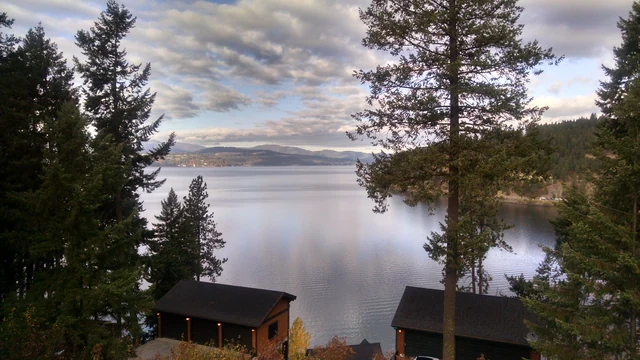
Clouds over Lake Coeur d’Alene, framed by evergreen trees and buildings along the near shore.
Lake Coeur d’Alene framed by trees and lakeside buildings, photographed in 2015. · Photo: Lake Coeur d'Alene.jpg — Leslie Lloyd, CC BY-SA 4.0 · CC BY-SA 4.0 — image and resized versions · Resized with Lanczos and encoded as lossy WebP; aspect ratio and full frame retained. No crop, generative edit or content removal.

A little less driving. A little more time outside.

North Idaho makes a persuasive case for staying in one place. Around Coeur d’Alene, the shoreline is both a starting line and a reason to stop: a wooded hill beside downtown, a paved path along the north shore, a ridge that puts the lake back into perspective. You can build a satisfying visit from those changes of scale without spending each evening unpacking somewhere new.

This trip follows Lake Coeur d’Alene rather than trying to collect the whole Panhandle. Start on foot in town, give a second day to forest and open views, then drive to Harrison for a separate rail-trail outing. The lake belongs to the aboriginal homeland of the Coeur d’Alene Tribe; its beauty also carries a complicated mining legacy. Staying on designated routes and taking water-quality notices seriously are part of traveling here well.

Choose where to linger

Where to settle in

Choose the convenience of town or a quieter trail-centered extension. For a first visit, unpack once.

01

Coeur d'Alene

Choose Coeur d’Alene when you want the first walk to begin near the rest of your day. McEuen Park connects downtown time with Tubbs Hill, and its paths, benches, restrooms, and open space make it a useful meeting point for people with different ambitions. A morning on uneven trail and an afternoon with a book can belong to the same trip.

Look at your accommodation’s actual location before booking: a Coeur d’Alene address does not automatically mean a walk to the waterfront. For this itinerary, prioritize a comfortable return at the end of each outing over a particular view from the room. Confirm parking and bicycle storage directly, especially if bringing your own equipment.

02

Harrison

Harrison earns a separate stay when riding is the reason for coming. The Trail of the Coeur d’Alenes passes through town, making it possible to arrange a day around the trail rather than around a drive from the north end of the lake. Choose an out-and-back for simplicity; organize any rental or shuttle before committing to a longer one-way ride.

For a three-day first visit, come here for the day and return to Coeur d’Alene. With extra nights, ask lodging and rental businesses about their operating dates before moving your base. Pack lunch and drinking water rather than making a remote stretch depend on an unconfirmed shop opening.

Ways into the landscape

Four ways to read the lake

01

Tubbs Hill: forest beside town

The city lists a 2.2-mile interpretive perimeter trail around Tubbs Hill. Start from the west trailhead at McEuen Park for a straightforward town-and-trail combination. Treat the hill as a real walk: a modest mileage figure does not describe every footing challenge, nor does proximity to downtown guarantee that every member of a group will enjoy the whole loop.

Carry what you need to finish independently, stay with established routes, and leave time to stop without hurrying the final stretch. If uneven terrain is a poor fit, make McEuen’s pedestrian paths and seawall overlook the outing. Do not present the perimeter loop as a wheelchair route or use a rocky lakeside scramble as an improvised shortcut.

02

Mineral Ridge: earn the wider view

Mineral Ridge gives the trip its uphill chapter. BLM describes a 3.3-mile interpretive trail with views over the lake. Choose this for the day with clear air and the group’s freshest legs. Carry drinking water even though facilities are listed at the trailhead; a website amenity list is not a promise that a faucet will be operating when you arrive.

BLM identifies accessible trailhead facilities, with an exception for the upper picnic shelter. That description does not certify the hiking loop as accessible. If the climb, surface, or weather is unsuitable, keep the forest picnic stop brief and spend your walking time on the Parkway instead. A view is a welcome outcome, not a reason to push past someone’s comfortable turnaround.

03

The Parkway: choose your own distance

The Coeur d’Alene Parkway follows the north shore on 5.7 miles of paved path and forms part of the North Idaho Centennial Trail. Pick a modest out-and-back rather than assuming you need to cover its full length. A walk can be the main event; a bicycle simply gives you a different rhythm and a larger return-distance calculation.

The park lists an ADA trail, benches, and restroom facilities. Check the entry point, surface condition, and restroom access that matter to your group; an accessibility label does not describe snow, maintenance interruptions, or every approach from parking. On busy stretches, leave space for slower walkers, announce a pass, and stop completely before studying the lake.

04

Harrison: a rail-trail day with room to stop

Begin at Harrison and choose a turnaround on the official trail map before riding. The shoreline and wetland setting rewards a measured pace; there is no need to turn the day into a full-trail challenge. The main paved corridor stretches 73 miles between Plummer and Mullan, far more than this itinerary asks you to take on.

This trail is also part of an environmental cleanup. Keep wheels and feet on the trail and designated stopping areas; use established picnic places, wash hands before eating, and keep children from playing in off-trail soil. Private docks are not public rest stops. Carry a repair kit you know how to use, and turn back with enough energy and daylight for the return.

A suggested journey

Three days around Coeur d’Alene

One main outing each day leaves room for lunch, changing weather, and the temptation to linger. Move the ridge day to the clearest forecast.

  1. Day 1

    Day 1: arrive at walking speed

    Begin at McEuen Park and decide as a group whether the Tubbs Hill perimeter is the right first outing. People ready for uneven trail can walk the loop; anyone wanting an easier start can stay with the park paths and agree on a meeting time. Avoid splitting a group without a clear plan for returning and contacting one another.

    After lunch, keep the afternoon deliberately light. Check tomorrow’s forecast and organize water, snacks, and the car before taking another short waterfront walk. If arrival is late, skip the full loop rather than chasing it into darkness. This first day should make the place feel familiar, not become an endurance test after travel.

    Coeur d’Alene
  2. Day 2

    Day 2: above the water, then beside it

    Use the clearest suitable morning for Mineral Ridge. Follow the signed trail, pause at the viewpoints, and allow the whole party to finish comfortably before adding anything else. This is the day’s main hike. If footing or visibility makes it a poor choice, switch to a shorter Parkway outing and save the ridge for another visit.

    After a meal and a real break, choose an easy segment of the Parkway or simply enjoy a shore stop. Paddling is an optional replacement for this afternoon, only with suitable conditions, equipment, and a confirmed lawful launch. Do not combine a tiring hike with a speculative crossing. The most useful plan leaves something undone.

    Coeur d’Alene
  3. Day 3

    Day 3: give Harrison the day

    Drive to Harrison with your bicycle arrangement, lunch, and trail map already settled. For a compact first ride, head toward Springston and return: the official map’s Harrison Marina and Springston mileposts imply roughly six miles round trip. Treat that as a starting option, not a minimum; turn sooner if wind, energy, or surface conditions warrant. Confirm your actual parking-to-trail distance locally.

    Keep Heyburn parking and marina access out of the essential plan. Official pages currently carry conflicting construction-era notices, so confirm any southern extension with park staff before relying on it. Return to Coeur d’Alene for the final night. If adding nights in Harrison, move after the ride and give the next morning its own unhurried start.

    Coeur d’Alene; Harrison only as an optional longer-stay extension

Plan for the elevation

The same shoreline, four different trips

Spring: start small

Build a spring visit around a flexible shoreline walk. Let actual surface conditions decide whether Tubbs Hill or the ridge belongs in the day; if the route is muddy, icy, or closed, use a suitable paved alternative instead. A lunch packed in town keeps the schedule independent of seasonal services.

Warm sunshine can be misleading beside cold water. Keep paddling optional, and make a dry-land day the default when you lack the equipment and skills for an unexpected immersion. A lake view does not become less worthwhile because you experience it from a bench.

Summer: protect the easy part of the day

Give the most active outing the part of the day with the best forecast, and resist filling every remaining hour. Heat, smoke, wind, and crowded access points can all change what feels enjoyable. Check air-quality advice before a longer ride or climb; shortening an outing is a useful decision rather than a failed itinerary.

Before swimming or launching, consult current recreational-water advisories and posted notices at the specific place you intend to enter. An attractive cove is not evidence of safe water, and a nearby lake should not become an automatic backup without its own check.

Autumn: leave daylight for the return

Autumn suits a trip with more walking than logistics. Put your main outing first, carry a warm layer for stops, and set an earlier turnaround on the Harrison ride as daylight contracts. Confirm rental pickup and return arrangements directly; a business appearing in a visitor article does not establish its current opening hours.

If the ridge is hidden by weather, use the day for a shorter waterfront outing rather than driving farther in search of a guaranteed view. Keep the route small enough that rain can change your mind without stranding a bicycle shuttle or an ambitious hotel transfer.

Winter: look from shore

BLM identifies November through February as the seasonal window for visiting bald eagles around Mineral Ridge. Bring binoculars and watch from legal, open stopping places; sightings are never promised. Do not block traffic, approach birds, or step onto lake ice for a better angle.

Replace the summer ridge-and-bike formula with short outings suited to that day’s footing. Trail of the Coeur d’Alenes winter grooming is conditional, and the park directs visitors to staff for current information. Snow on a map is not a prepared ski route. Allow a winter visit to be slower, with warm indoor breaks between shoreline stops.
Make the trip work

Plan the details that matter.

Make water time a separate decision

Wear a properly fitted life jacket, check the wind forecast and water temperature, and leave a float plan before setting out. Choose conditions and a route within your rescue skills; being close to land does not remove immersion risk. If the weather changes, come ashore rather than trying to preserve a schedule.

Idaho requires an invasive-species sticker for many nonmotorized craft, including kayaks and paddleboards. The exemption applies only when a craft is inflatable, nonmotorized, and less than 10 feet long. Confirm that a rental is compliant and ask the operator about required equipment and local launch rules. The itinerary does not require a boat or a swim.

Leave the shoreline better than a shortcut

The Coeur d’Alene Tribe and Idaho DEQ work together on the lake’s water quality. Mining-related metals in sediment and nutrient inputs are part of that work; this is a living watershed with continuing stewardship needs. Use public access, pack out litter, and avoid disturbing shoreline vegetation.

For a picnic, choose a designated place and bring drinking water from a known safe supply. Check water advisories even when you only expect the dog to wade. Do not assume boiling or an ordinary backpacking filter makes bloom-affected lake water suitable to drink.

Before you settle on a plan

A few useful questions.

Can I do this trip without a car?

The downtown walking day can work without one if your lodging is suitably located. The complete itinerary needs a confirmed way to reach Mineral Ridge and Harrison; it does not assume a public shuttle or a safe continuous bicycle connection.

Is the trip suitable for wheelchair users?

Build around the Parkway’s listed ADA trail and confirm the specific access points and facilities you need. Mineral Ridge’s accessible trailhead facilities do not make its hiking loop accessible, and the Tubbs Hill perimeter is not presented here as an accessible route.

Before you go

Check the day’s conditions.

Recheck trail access, wind, air quality, and recreational-water notices before each outing. Heyburn and the rail-trail pages contain inconsistent marina-era access notices; ask park staff for current access before adding Chatcolet or Rocky Point.

Keep the essentials simple.

  • Treat the downtown Centennial Trail/Parkway and the Trail of the Coeur d’Alenes as separate outings. This plan uses a vehicle transfer to Harrison and does not recommend Highway 97 as a family bicycle connection.
  • No timed-entry booking is prescribed by the cited pages for these core walks. That does not eliminate parking charges, posted closures, or separate launch requirements. Check each managing agency before travel; reserve any lodging, bicycle, or shuttle directly.
  • Bring offline route information, water, food, a charged phone, and layers. Save the intended trailhead location before leaving town and share your plan with someone who is not on the outing.
Sources & editorial scope

Research checked 2026-10-17. Distances and access notes were checked against land-manager and official visitor sources on October 17, 2026. Recheck conditions before departure; linked notices may remain online after circumstances change.