The Adventure Collective Journal · Regional guide

Northern New Mexico

Three days around Santa Fe, where foothill paths and ancestral places ask you to slow down.

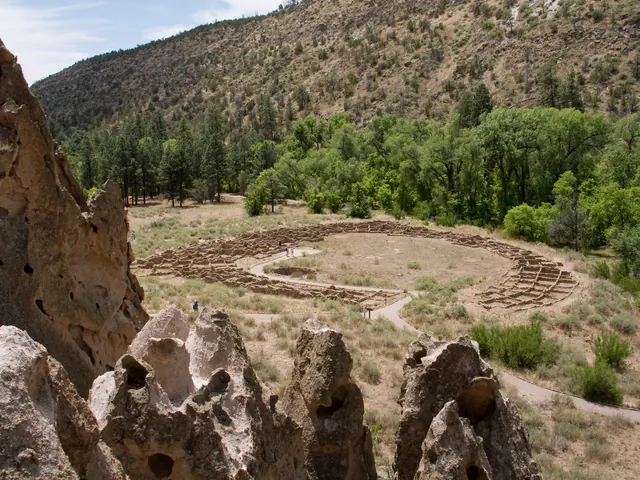
Circular ancestral Pueblo stone foundations lie in Frijoles Canyon beneath a wooded slope.
Tyuonyi at Bandelier National Monument, photographed in May 2006. · Photo: 2006 New Mexico Bandelier National Monument Tyuonyi 02.jpg — Nicholas Hartmann, CC BY-SA 4.0 · CC BY-SA 4.0 — image and resized versions · EXIF orientation normalized, resized with Lanczos and encoded as lossy WebP; aspect ratio and full frame retained. No crop, generative edit or content removal.

A little less driving. A little more time outside.

Santa Fe makes a useful argument for staying put. The foothills are close enough to shape a morning, while a day at Bandelier or Pecos changes the scale of the story without requiring a new hotel. You can walk for the view one day and walk to understand a place the next. The trip becomes richer when those are different kinds of attention.

Give the first day to the country immediately around the city. Save a full day for Bandelier’s canyon and another for Pecos Pueblo and its surrounding valley. These are ancestral places with continuing connections to living communities; the trail is an introduction, not permission to wander through every doorway or climb every wall. Begin with the interpretation and let it change what you notice.

Albuquerque offers another version of a New Mexico stay, built around the Rio Grande bosque and volcanic escarpment. Ruidoso belongs to a separate trip in southern New Mexico. Choose the base that fits your purpose, and leave the long transfer for a day that is actually meant for travel.

Choose where to linger

Choose where the days begin.

Santa Fe anchors the itinerary. Albuquerque changes the focus to the bosque and petroglyphs; Ruidoso requires a separate southern stay.

01

Santa Fe

The base for all three itinerary days

Stay in Santa Fe for a trip that pairs short foothill walks with deeper visits to Bandelier and Pecos. Keep the first outing modest: the city is already at high elevation, and a familiar distance can feel different here. Choose accommodation for the way you want to spend the evenings, then separately work out transport to the trailheads. A central address does not make the canyon and valley outings car-free. Returning to the same place each evening leaves room to absorb what the day has shown you.

02

Albuquerque

An alternate bosque-and-escarpment stay

Choose Albuquerque when the Rio Grande and the volcanic West Mesa are the point of the trip. The Rio Grande Nature Center offers a quieter beginning among ponds, gardens and birdlife; Boca Negra Canyon introduces petroglyphs in their landscape. Give each its own part of the day rather than adding a Santa Fe round trip between them. This is an alternative stay, particularly useful if a lower-elevation urban base suits the group better, but heat still matters. Select accommodation and transport around the places you intend to visit.

03

Ruidoso

A separate southern New Mexico trip

Ruidoso is in southern New Mexico and needs its own overnight plan. Grindstone Lake gives that separate stay a recreation focus, with a multi-use trail network and water activities governed by distinct rules. Check the exact trail and lake notices before making plans: a general recreation page cannot establish that every path is open. The official page currently lists the Grindstone campground as closed indefinitely, so do not build a camping itinerary around it. Leave the transfer from Santa Fe outside the three days below.

Ways into the landscape

Foothill paths. Canyon homes. A valley with a long memory.

01

Start with the Santa Fe foothills

Use the Sierra del Norte trailhead for a modest introduction to the Dale Ball network. The steward identifies this access as serving the more moderate north and central terrain. Pick a short route on the current map and write down its numbered junctions before leaving; decide the turnaround while everyone is fresh. These are natural-surface trails shared with cyclists, with exposed and uneven sections. The reward can be the city coming into view between trees, without making a summit the test of whether the walk counted.

02

Read the canyon at Bandelier

Begin at the visitor center, then follow the Pueblo Loop toward Tyuonyi and the canyon’s ancestral dwellings. The full loop is listed as 1.4 miles, but its length is not a measure of universal access. Ladders and stairs change the experience, and the flatter beginning is a valid visit in itself. Take time with the interpretation rather than treating the cavates as a series of photo stops. Follow signed routes and staff advice; entering a permitted space does not make every nearby opening available.

03

Give Pecos more than a passing glance

At Pecos National Historical Park, begin indoors before walking the Ancestral Sites Trail. The pueblo and mission remains sit within a larger history of exchange, conflict and continuing community connections. The 1.25-mile loop gives the visit a shape, while the valley beyond supplies its setting. Let the explanations hold your attention as much as the church silhouette. Descending a reconstructed kiva is optional; ladder access is not essential to understanding the site.

04

Look closely at the volcanic escarpment

For an Albuquerque stay, make Boca Negra Canyon a deliberate visit rather than a roadside photograph. Its three trails approach petroglyphs in different ways, and paved surfaces do not make the routes wheelchair accessible. Use the park’s access guidance to choose the experience. These images have continuing spiritual significance to Pueblo and other Native peoples. Stay on designated routes, keep hands off the original rock images and leave everything where it belongs.

05

Sit still beside the bosque

The Rio Grande Nature Center supplies a gentler Albuquerque outing: watch the ponds from indoor or outdoor viewing areas, explore the gardens, and decide whether to add a walk toward the city-managed bosque trails. Bring binoculars if you have them, but do not turn a bird list into an assignment. This day-use park has its own hours and pet restrictions, distinct from the adjacent city trails. Confirm the surfaces and facilities that matter to your group before arrival.

A suggested journey

Three days, one Santa Fe base

Allow three full days, with arrival and onward travel outside the plan. Exchange the Bandelier and Pecos days if weather or access warrants it.

  1. Day 1

    A short foothill walk, then Santa Fe

    Start with a small Dale Ball route from Sierra del Norte, using the current junction map. Keep the aim simple: notice the transition from the city to the foothills and return with energy left. Sun exposure and the group’s response to elevation should govern the distance. Return to Santa Fe for lunch, a rest and time in town. Leave the afternoon uncommitted rather than using it to add a second distant trailhead. Review the next day’s park access and forecast over dinner.

    Santa Fe, New Mexico
  2. Day 2

    Bandelier at the pace of the place

    Give Bandelier the day. Check directions, parking and seasonal shuttle arrangements before leaving Santa Fe, then start with the visitor center. Walk the portion of Pueblo Loop that fits the group; save time to read and look instead of rushing to complete every ladder. Bring food and water, and respect current operating hours and closures. Return to the same Santa Fe base with no additional park scheduled on the way. The open space in the day is useful if transport, weather or access takes longer than expected.

    Santa Fe, New Mexico
  3. Day 3

    Pecos, with time for the story

    Head to Pecos for the visitor center and Ancestral Sites Trail. Ask about the surface and shorter church-side approach if anyone needs to avoid the full loop. Spend time with the interpretation, then choose a comfortable portion of the trail rather than treating the mileage as mandatory. Bring a picnic or plan a meal separately; do not assume services at a trailhead. Return to Santa Fe for a final evening. Keep Albuquerque and Ruidoso for another stay, instead of ending the trip with a rushed transfer.

    Santa Fe, New Mexico

Plan for the elevation

Let the forecast choose the pace.

Spring

Start with a shorter foothill outing and check the conditions at every planned destination. A warm afternoon in town is not evidence that higher or shaded paths are dry. Keep layers handy and leave enough flexibility to replace a windy or unsettled outdoor day with interpretation indoors. Avoid damaging muddy trails; the most useful decision may be to come back when the surface can take the traffic.

Summer

Make the outdoor part of the day responsive to heat and storm forecasts. Monsoon thunderstorms can bring lightning, sudden flooding and strong winds. Starting early may help with heat, but is not a guarantee against storms. Know where substantial shelter is, leave canyon and drainage outings for suitable conditions, and never drive into floodwater. A long indoor pause can be the structure that makes the rest of the day work.

Fall

Leave time to look along the river corridor on an Albuquerque stay, without promising a particular color peak or bird sighting. In Santa Fe, shorter days favor a simple morning outing and an unhurried return. Check Bandelier’s seasonal transport details rather than assuming a shuttle runs on the day you visit. Pack for a cool finish even when the start feels comfortable.

Winter

Treat snow and ice as itinerary decisions. Bandelier may temporarily close the Pueblo Loop after snowfall while staff clear it; respect the barrier rather than following existing footprints. Check NMRoads before driving and ask park staff about surfaces. A museum-focused visit or a day in Santa Fe can replace an outing without needing a more remote alternative road or trail.

Make the trip work

Plan the details that matter.

Match the route to the person

At Bandelier, the flatter beginning of Pueblo Loop offers an alternative to stairs and ladders, but portions exceed accessibility standards. At Pecos, packed dirt and gravel, grades and kiva ladders require individual decisions; ask about the shorter approach from the church parking area. At Boca Negra, NPS identifies the trails as inaccessible while listing accessible parking, patio and restrooms, with a viewing scope at the Macaw patio. Discuss specific mobility or sensory needs with staff rather than relying on the word easy.

Separate admission from special activities

This plan is for ordinary day visits, not backcountry camping or fishing. Verify Bandelier’s entrance-pass and transport requirements before travel; do not reuse older advice about a mandatory White Rock shuttle. The current transport page describes a seasonal in-park service and parking-dependent use. Pecos lists no reservation for the Ancestral Sites Trail. Special activities and group visits can have different requirements, and Grindstone vessel permits are separate from parking.

Read notices as dated evidence

Use the park condition pages, NMRoads and weather warnings before departure and again when plans change. For Ruidoso, a January 2026 Grindstone thinning notice described temporary work expected to last up to 90 days; it does not prove those restrictions are still active. Conversely, a general trail listing does not certify reopening. Ask Parks and Recreation about the precise route, and obey barriers and signs on site.

Before you settle on a plan

A few useful questions.

Can I do this trip from Albuquerque?

Albuquerque is an alternate base for the bosque and Petroglyph outings. For the three-day plan above, stay in Santa Fe rather than repeating transfers before and after each excursion.

Is Ruidoso part of northern New Mexico?

No. Ruidoso is a separate southern New Mexico option in this guide, requiring its own stay and travel plan. It is not a Santa Fe day-trip suggestion.

Do I need to climb ladders to enjoy the cultural sites?

No. Choose an appropriate section of Bandelier’s trail or the visitor-center and trail experience at Pecos. Ladders access particular spaces, not the whole story; confirm current accessible options with staff.

Before you go

Check the day’s conditions.

Recheck park access, trail surfaces, seasonal transport, road conditions and weather. No live availability or blanket all-clear is claimed. Ruidoso requires a separate current-access check.

Keep the essentials simple.

  • Plan transport for each outing. The itinerary assumes you can reach the trailheads and parks independently; it does not establish a continuous public-transit route. Check state roads and the destination’s own access information before setting out.
  • Carry water, sun protection, food, layers and an offline map. Start conservatively at Santa Fe’s elevation. An easy rating or a short distance does not establish that a trail fits every walker.
  • Check entrance-pass and payment requirements separately from any shuttle arrangements. Bandelier requires an appropriate entrance pass and operates cashless payment; bring the pass information offline.
  • Keep to signed trails and respect closures. Cultural sites are places with living connections, not climbing playgrounds. Do not touch petroglyphs, collect objects or enter areas that are not designated for public access.
  • For a separate Ruidoso stay, confirm Grindstone parking and vessel requirements for your dates. Do not assume a lake visit includes permission to launch a boat, fish, swim or camp.
Sources & editorial scope

Research checked 2026-10-17. A researched planning guide, not a firsthand account or live access report. Official and trail-steward sources were checked October 17, 2026. Recheck conditions before travel.