The Adventure Collective Journal · Regional guide

Orlando & Central Florida

A city lake, a clear spring and a wide-open wetland: three days following the water beyond Orlando’s busy edges.

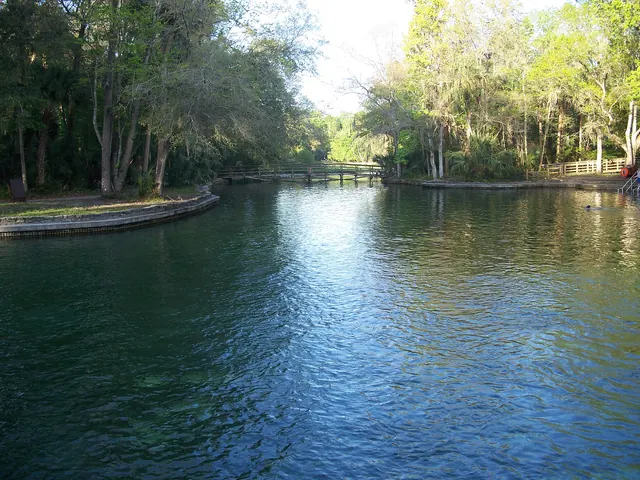
Spring pool bordered by wooded banks with a footbridge in the distance.
The springs swimming area at Wekiwa Springs State Park, photographed in March 2008. · Photo: Ebyabe / Wikimedia Commons, CC BY-SA 3.0 · CC BY-SA 3.0 — image and resized versions · Full-frame proportional Lanczos resizing and WebP compression; no crop, retouching or generative change. Embedded ICC profiles converted with Pillow ImageCms to sRGB before resizing where present, output sRGB ICC embedded; original EXIF stripped, credit/license/provenance retained in XMP and manifest.

A little less driving. A little more time outside.

Orlando rewards a change of scale. Start with a sidewalk beside a city lake, where the skyline fits into the water. Then give a whole morning to a spring, or stand still on a wetland path long enough for the small movements to become the main event. The distances on a map matter less than the attention you bring to each place.

This is a trip with room around its outings. Settle into one Orlando stay, take separate excursions toward Apopka and Christmas, and leave the hottest or stormiest part of the day unclaimed. Clear water is an invitation to look closely, not permission to swim wherever you please. The best plan pairs curiosity with a reservation, a weather check and an easy decision to turn back.

Choose where to linger

Choose your doorstep

Stay in Orlando for the mix of city walks and contrasting day trips. Consider Apopka instead if you would rather organize the visit around spring-country mornings.

01

Orlando

Make Orlando the anchor if you like a small city walk before committing to a bigger outing. Lake Eola’s downtown sidewalk circuit gives the trip a useful first chapter: water, open sky and an easy place to decide how much walking feels right after travel.

Keep the same room for the whole visit. A spring morning and a wetland morning ask for different gear and different weather decisions; neither needs a hotel move. Choose lodging for the part of Orlando where you actually want to spend your evenings, then check the route to each park before setting out.

02

Apopka

Apopka makes sense when the spring is the reason for the trip. Wekiwa Springs State Park is here, with the contrast between shaded hammocks and sandhill country giving a short visit more texture than a swim alone.

Treat this as an alternative base, not an extra stop to squeeze into the Orlando itinerary. Reserve the day you want at Wekiwa before building the rest of the trip around it. If considering the park campground, check its posted construction advisory and current conditions separately.

Ways into the landscape

Three ways to follow the water

01

Walk a small lake slowly

Lake Eola’s 0.9-mile sidewalk loop is a modest outing with a useful lesson: you do not need a long route to pay attention. Take a circuit without turning it into a fitness test. Stop where the water catches the buildings; look back at the same view from the opposite shore.

This is the lightest day in the plan, a good place to settle into the climate and adjust expectations. Keep it short if the heat feels heavy. A second lap is optional; the unhurried first one is the point.

02

Give the spring a morning

At Wekiwa, let the day have one center. Choose a walk and time beside the designated spring swimming area, or make a separately arranged paddle the main outing. Trying to collect every activity can leave the loveliest part of the day feeling like an appointment.

The spring water is listed at 72 degrees year-round. There are no lifeguards, and jumping and diving are prohibited. Children and non-swimmers need close adult supervision. The park prohibits swimming and snorkeling in Wekiwa Springs Run, Rock Springs Run and the Wekiva River; a paddling route is not an invitation to enter the water.

For a paddle, ask the on-site rental operator about the day’s conditions, an appropriate out-and-back route and the return deadline. Wear a properly fitted life jacket. Choose walking instead if current, weather or handling the boat is beyond the group’s comfort.

03

Read the marsh from the path

Orlando Wetlands combines a working water-reclamation landscape with space for nature observation. Give it the first part of a day, with binoculars if you have them and no promise of a particular bird. A distant movement deserves time before it deserves a closer approach.

Use the official map to choose the two-mile Bird Loop or a shorter return walk; the Cypress Boardwalk offers another way to look across the water. Stay on marked routes and leave wildlife its space. Keep bicycles off the boardwalk. This is a land-based visit: swimming, boating and camping are prohibited.

A suggested journey

Three days, one Orlando stay

Use these days in the order that suits weather and reservations. Put the wetland outing on a Tuesday through Sunday; move it if your third day falls on Monday. Arrange independent transport for the two out-of-town outings.

  1. Day 1

    Day 1: find the city’s waterline

    Arrive, settle into your Orlando lodging and keep the first outing close to the city. Walk as much of Lake Eola’s loop as feels comfortable, stopping often enough that it remains a welcome rather than another item to finish.

    Use the evening to organize the next two mornings: confirm your Wekiwa entry, check the wetland day against the calendar and pack a dry change of clothes. Do less today so that tomorrow can begin without a scramble.

    Orlando
  2. Day 2

    Day 2: a spring-country excursion

    Travel to Wekiwa Springs for your reserved day. Choose the spring-and-walk version or the paddle version of the outing, based on conditions and your group’s abilities. Eat a packed lunch, take breaks and give yourself permission to finish before you feel wrung out.

    Return to the same Orlando lodging. Keep the evening simple rather than adding a second distant attraction. If storms interrupt the outing, end the outdoor portion; an uncompleted walk is a better souvenir than a close call.

    Orlando
  3. Day 3

    Day 3: a wetland morning

    Head separately east to Orlando Wetlands in Christmas on an open day. Select a manageable route from the map, sign in at arrival and sign out when leaving. Walk slowly enough to notice how much is happening at the edges without stepping down to them.

    Return to Orlando for the final night. If Monday or poor ground conditions rule out the wetland visit, rearrange it with Day 1 when possible. Otherwise keep a shorter city walk in fair weather and let the marsh wait for a future trip.

    Orlando

Plan for the elevation

Let the season set the pace

Spring: take the longer morning

Use the earlier part of a mild day for the walk you have been saving, then keep the afternoon loose. Spring is a transition rather than a fixed weather promise: the region generally shifts toward its humid, storm-prone pattern in late May. Check the forecast even when the morning looks inviting.

Summer: shorten the exposed miles

Make one early outing enough. The wetland marsh has little shade, so a shorter visit can be the better visit. Pack drinking water and sun protection; do not make reaching a distant turn point more important than returning comfortably. Summer storms can arrive quickly.

Autumn: keep the plan movable

Autumn can offer a gentler rhythm, but the change is uneven. Tropical weather can still bring substantial rain, and a cool spell does not guarantee that humidity is finished. Leave room to trade the exposed wetland day for a shorter city outing or an indoor break when conditions demand it.

Winter: favor observation over endurance

The cooler season is a useful time to linger with a view rather than chase a swimming day. Bring a layer for a cold front and decide about water activities on the morning itself. The region’s drier seasonal tendency is an advantage for planning, not a guarantee of dry paths or blue sky.

Make the trip work

Plan the details that matter.

Reserve the spring, then check the day

Wekiwa requires a reservation for day-use visitors, including annual passholders. Reservations open up to 60 days ahead; same-day booking is only possible while the limit has not been reached. Bring the reservation receipt. If leaving and returning, ask the ranger station for a reentry ticket before departure.

Orlando Wetlands opens Tuesday through Sunday from sunrise to sunset. Public tram tours have a separate schedule and can be cancelled for weather or road conditions. Check the city page before travel; this itinerary works as a self-guided walk and does not depend on a tram seat.

Match access to the actual surface

Wekiwa lists a spring-entry ramp, a swim lift, accessible restrooms and an accessible nature center. Contact staff beforehand about your specific transfer or assistance needs and confirm the equipment is working. These amenities do not establish that every trail or canoe launch suits every mobility device.

At Orlando Wetlands, sidewalks connect parking with restrooms, the picnic pavilion and visitor center. The city describes the sand-and-shell berm routes as wheelchair accessible in dry conditions; heavy rain can soften them. Ask about recent ground conditions before committing to a long circuit. Do not assume a boardwalk mention guarantees a fully accessible approach.

Before you settle on a plan

A few useful questions.

Can all three days use one Orlando hotel?

Yes. This plan uses Orlando every night, with separate day outings to Wekiwa Springs near Apopka and Orlando Wetlands in Christmas. Apopka is an alternative base for a more spring-focused trip.

Is arriving early enough to enter Wekiwa?

No. Day-use entry requires a reservation. Arriving early does not replace it; check the official entry guidance before travel.

Is Orlando Wetlands a swimming stop?

No. Swimming and boating are prohibited. Plan to explore from its paths and boardwalk instead.

Before you go

Check the day’s conditions.

Before each outing, check Wekiwa entry and park alerts, Orlando Wetlands opening and ground conditions, and the weather forecast. Change the day’s plan for closures, storms or unsuitable water conditions.

Keep the essentials simple.

  • Arrange transport for the Apopka and Christmas outings independently; this itinerary does not assume a park shuttle or a verified public-transit connection. Keep each excursion on its own day.
  • At the first sound of thunder, move to a substantial building or an enclosed metal-topped vehicle with windows shut. Wait at least 30 minutes after the last thunder before returning outside. A picnic shelter is not a substitute.
  • Never feed or approach alligators. Swim only in designated areas during daylight and obey closures. Keep pets away from freshwater edges; Orlando Wetlands does not permit pets, with an exception for qualifying service animals.
  • Carry water, sun protection, insect protection and a charged phone. Save the park map before heading out and leave enough energy for the return. Do not count on a wildlife sighting or a particular water color.
Sources & editorial scope

Research checked 2026-10-17. Official park, city, wildlife and weather guidance checked October 17, 2026. Recheck alerts, reservations and access before departure; seasonal patterns are not a forecast.