The Adventure Collective Journal · Regional guide

Pennsylvania’s Happy Valley: Beyond the Stadium, Into the Ridges

Keep a room in State College and spend three days moving between a rocky overlook, a hidden wetland, and a lake framed by mountain slopes.

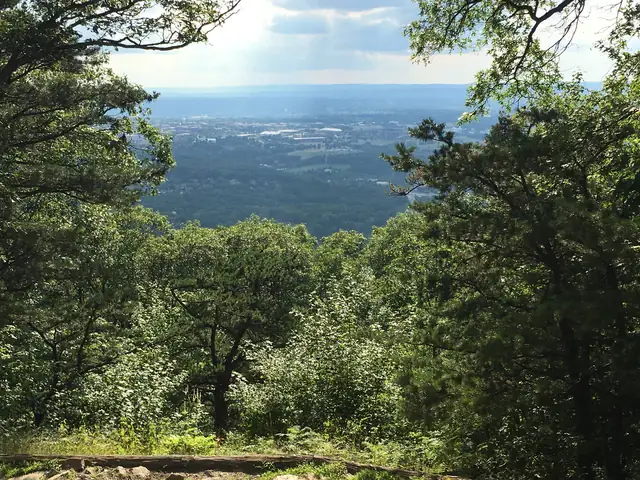
Trees frame a hazy valley and distant campus buildings beneath a wooded ridge.
State College and the surrounding valley from Mike Lynch Overlook on Mount Nittany, photographed in July 2022. · Photo: JohnDziak / Wikimedia Commons, CC0 1.0 · CC0 1.0 — image and resized versions · Full-frame proportional Lanczos resizing and WebP compression; no crop, retouching or generative change. Embedded ICC profiles converted with Pillow ImageCms to sRGB before resizing where present, output sRGB ICC embedded; original EXIF stripped, credit/license/provenance retained in XMP and manifest.

A little less driving. A little more time outside.

Happy Valley rewards a change of scale. From town, the ridges are a backdrop. On foot, they become an arrangement of stone, roots, and deliberate steps; farther into Rothrock, a wetland opens a pocket of sky inside the forest. The pleasure is in those changes, with a familiar room waiting at the end of the day.

This is a trip for travelers who want a real climb without turning every morning into an endurance test. Give Mount Nittany the clearest weather, save an unhurried day for Bear Meadows, and let Bald Eagle State Park supply the wide-water finale. The Arboretum at Penn State offers a gentler outdoor alternative when the group wants an easier surface or a shorter day.

Choose where to linger

A town stay, with a village alternative

Unpack once. State College is the base for the route below; consider Boalsburg if a smaller-town stay is more appealing.

01

State College

Make State College your return address rather than a stop to rush through. The appeal of this plan is its rhythm: leave town for a distinct landscape each morning, then come back without moving bags or negotiating another check-in. Reserve the room before fixing the outdoor schedule.

The Arboretum at Penn State gives the town-based trip breathing room. Its garden paths can fill a spare hour or become the main outing on a lower-energy day. Check campus parking instructions separately from garden admission.

02

Boalsburg

Boalsburg is the smaller-scale alternative, with lodging and dining described by the regional tourism bureau. It also makes a natural stop on a Bear Meadows day: DCNR places the natural area south of the village. Choose it as an alternative place to stay, or keep the State College booking and visit for a meal.

This guide does not require a second hotel. Use the village to give the forest outing a beginning and an end, and confirm individual businesses before building a schedule around them.

Ways into the landscape

Four ways to step outside

01

Climb Mount Nittany for the shape of the valley

The reward is perspective: the community and campus below, the climb behind you, and the ridge continuing beyond the first view. Start at the Conservancy trailhead in Lemont and choose a route on its Blue and White trail map. The slopes are steep and rocky, even though the upper trails become gentler. Do not mistake a familiar local landmark for an easy paved overlook.

For a focused outing, make Mike Lynch Overlook your objective and return on the marked route you selected. Extend the walk only if footing, daylight, and the group agree. Use signed parking, carry the map, and leave no fire or overnight camp behind. Travelers needing a step-free outing should choose the Arboretum instead.

02

Slow down at Bear Meadows

Bear Meadows changes the mood of Rothrock. A fen lies inside the wooded hills, its edges marked by spruce, fir, and highbush blueberry. Let the opening itself be the destination: watch from the established trail and observation platform rather than pushing into the wetland for a closer look.

Ask the Rothrock district office about the approach road and trail conditions, then use the current forest map to choose an out-and-back that suits the day. This is a deliberately flexible walk, not a promised circuit or an accessibility-rated route. Turn around when the surface stops working for your group; the wetland does not improve when visitors widen a muddy trail.

03

Give Bald Eagle a whole horizon

At Bald Eagle State Park, the trip opens outward. Water, field, and wooded slope replace the close focus of the forest floor. Build the day around a picnic and a shoreline walk, leaving room to sit and watch rather than collecting another summit.

The park describes Woapalanne Path as relatively flat and easiest-rated, but warns that it can flood. That rating is not an accessibility certification. For a more specific accessible destination, the park lists the Winter Launch fishing pier and accessible picnic tables at Schenks Grove; confirm the connecting surface and facilities for your needs.

Paddling is an optional addition for suitable conditions and experience. This is shared motorboat water, and reservoir levels affect access. Confirm launches and any rental arrangements before bringing the day onto the lake; a shoreline day remains a complete outing.

04

Trade the climb for a garden walk

The Arboretum at Penn State is the useful counterweight to a rocky trail day. Let the pace come from looking: a planting bed, a change in texture, a place to pause. There is no need to make an easy outing feel like a consolation prize.

Penn State says all major garden walkways are accessible and welcomes wheelchairs, motorized carts, and strollers. Contact the Arboretum about specific mobility accommodations. The grounds open from dawn to dusk; admission is free, while visitor parking can carry a separate charge.

A suggested journey

Three days, one State College base

Plan three full days with your own transport for the trailheads and lake. Swap days to give the mountain dry footing and clear weather; keep the same lodging throughout.

  1. Day 1

    Day 1: a ridge view, then room to settle

    Leave State College for the Mount Nittany trailhead in Lemont. Review the posted map before starting, walk to Mike Lynch Overlook on your chosen marked route, and make the return descent the priority over adding more overlooks. Come back to town for lunch and an unhurried afternoon.

    If everyone still wants to be outside, add a short Arboretum visit. If the mountain is wet, icy, or too demanding, make the gardens the main outing from the start and save the climb for another suitable day. Keep the evening open rather than chasing a second trailhead.

    State College, same lodging throughout
  2. Day 2

    Day 2: Boalsburg and the wetland interior

    Take the Rothrock day south toward Boalsburg, with food and the forest map sorted before continuing to Bear Meadows. After confirming road access, walk an appropriately short out-and-back on the established trails and use the observation platform as a place to stop, not a checkpoint to hurry past.

    Return through Boalsburg for a village break if your chosen businesses are open, then go back to State College. If access or wet ground rules out Bear Meadows, keep the day in town and use the Arboretum rather than improvising a remote forest-road detour.

    State College, same lodging throughout
  3. Day 3

    Day 3: the lake, at a shoreline pace

    Drive to Bald Eagle State Park and start with the park map and a conditions check. Choose a dry section of Woapalanne Path for a walk, or use the park’s listed accessible facilities to shape a picnic-and-viewing day. Bring binoculars if you enjoy waiting quietly for movement at the water’s edge.

    Only add a paddle if the launch, weather, equipment, and your ability align. Otherwise keep the afternoon on shore. Return to State College before turning the evening into a rushed departure; this plan reserves a final night at the same base.

    State College, same lodging throughout

Plan for the elevation

How the year changes the trip

Spring: keep the route adjustable

Plan for a valley waking unevenly. Choose the mountain after a dry spell, and be ready to shorten a forest walk when wet ground makes progress awkward. A garden visit is a better fallback than forcing a muddy route. At the reservoir, check actual water and launch conditions instead of treating the calendar as proof that the boating season has arrived.

Summer: choose a pace you can sustain

Give the climb its own morning and avoid stacking it with an ambitious afternoon hike. Carry water and leave time to return before weather deteriorates. Use the lake day for long pauses, with paddling only when conditions suit the group. A seasonal concession listing is a reason to call ahead, not a reservation.

Fall: color with a conditions check

Mount Nittany’s hardwoods bring yellow, bronze, and red into the walking day, but no single weekend guarantees the show. Let dry footing take priority over a foliage prediction. Check current hunting information and wear fluorescent orange where hunting occurs; do not assume Sunday means the woods are free of hunters.

Winter: make the smaller plan first

With leaves down, the mountain opens additional valley views. The practical question is whether the way up and down is safe for your group. Ice, limited daylight, and uncertain forest-road access are reasons to stay with a shorter town-based outing. Check surfaces even on garden paths, and treat the lake as a shore-based visit unless properly equipped for cold-water conditions.

Make the trip work

Plan the details that matter.

Before you settle on a plan

A few useful questions.

Do I need to change hotels to see Happy Valley?

No. This itinerary uses State College for all three nights. Boalsburg is an optional alternative base or a stop during the Rothrock day.

Is Mount Nittany suitable for a wheelchair or stroller outing?

The Conservancy describes steep, rocky approaches. For this trip, choose the Arboretum’s major garden walkways instead and contact Penn State about any specific mobility accommodations.

Can I bring my own kayak to Bald Eagle?

Plan around DCNR’s launch-document requirements and current lake access. Water levels change, motorboats also use the lake, and conditions should determine whether you launch.

Before you go

Check the day’s conditions.

Check land-manager updates, road and trail access, weather, lake levels, and current hunting guidance before each outing. Source review does not establish live closures, safe water conditions, rental availability, or the accessibility of an entire route.

Keep the essentials simple.

  • Arrange transport for the separate trailheads and the lake; this itinerary does not assume a public-transit connection. Download maps before leaving town and leave your intended route with someone.
  • Mount Nittany is foot-travel terrain. Stay on marked routes, use signed parking, and pack out everything you bring. Fires and overnight camping are prohibited on Conservancy land.
  • Before launching a non-powered boat at Bald Eagle State Park, arrange one of the documents listed by DCNR: boat registration, a state-park launch or mooring permit, or a Pennsylvania Fish and Boat Commission launch-use permit. Wear a properly fitted life jacket and check current boating rules.
  • Accessibility is facility-specific. Major Arboretum garden paths have an explicit accessibility statement; the mountain and Bear Meadows outings do not. Ask about current surfaces, parking-to-destination connections, restrooms, and equipment needs before visiting.
Sources & editorial scope

Research checked 2026-10-17. Planning details checked against land-manager, university, and official tourism sources on October 17, 2026. Recheck access, conditions, and operating details before departure.