The Adventure Collective Journal · Regional guide

Portland & the Willamette Valley

A creek beneath the city hills, trees from around the world, and a wetland worth slowing down for. Stay in Portland first; give the valley its own mornings.

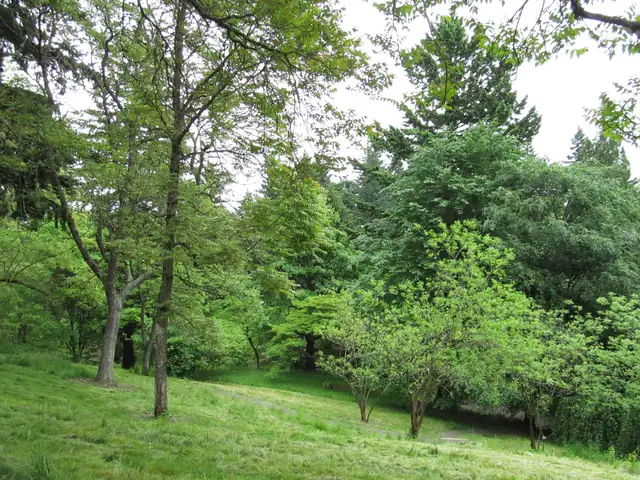
Leafy trees and conifers cover a green slope above a winding path at Hoyt Arboretum in Portland.
Trees and a winding path at Hoyt Arboretum in Portland’s Washington Park. Photographed in June 2012. · Photo: Hoyt Arboretum - Portland, Oregon - 7419321120.jpg — Doug Kerr (Dougtone), CC BY-SA 2.0 · CC BY-SA 2.0 — image and resized versions · Full-frame proportional Lanczos resizing and WebP compression; no crop, retouching or generative change. Source ICC profile retained where present; original EXIF stripped, credit/license/provenance retained in XMP and manifest.

A little less driving. A little more time outside.

Portland makes an outdoor trip possible without leaving the city behind. One morning can begin beneath a canopy beside Balch Creek; another can follow the names on arboretum labels until a collection of trees becomes a map of the world. On the east side of the Willamette, a wetland changes the scale again. The rewarding part is how much attention these places invite when there is no distant destination tugging at the afternoon.

This three-day plan stays in Portland, with a different landscape each day and enough room to return for a meal without rushing. McMinnville offers a separate Willamette Valley stay: a historic downtown, a community park with woodland trails, and foothill wineries to visit deliberately. Let that change of base mark a change of pace. Wine country deserves more than the last available hours of a city weekend.

Choose where to linger

Choose the rhythm of your stay

Portland is home for the three-day plan. Choose McMinnville when the valley becomes the main reason to travel.

01

Portland

For the three-day forest-and-wetland plan

Keep one Portland address for this visit. Choose lodging with a useful connection to the outings you want, then check the complete journey, including the walk from a transit stop. Washington Park has a MAX station and an internal shuttle, but the city’s hills still matter when you leave the vehicle.

Give your evenings a neighborhood of their own. Staying put leaves time to find somewhere for breakfast, dry yesterday’s layers, and set out without packing again. This is a city holiday with substantial outdoor time; there is no need to spend each morning escaping the city to justify it.
02

McMinnville

A separate Willamette Valley stay

McMinnville changes the trip from urban parks to valley town life. Its downtown is a designated historic district, and Third Street gives a stay a clear center. Choose it for time spent walking through town and for a deliberate visit to the surrounding wine country, with an overnight that removes the pressure to return to Portland.

Keep the stay broader than tastings. Joe Dancer Park offers an outdoor counterpoint, while the winegrowers association identifies producers in the nearby foothills. Pick a winery that interests you, confirm its arrangements directly, and settle transport before booking. A vineyard visit is optional; the town-and-park combination is a worthwhile reason to stay.

Ways into the landscape

Three city landscapes, then a valley change

01

Find a small world of trees at Hoyt

Start at Hoyt Arboretum’s visitor center in Washington Park. Use the map to choose a walk by the trees and terrain that interest you, rather than turning the collection into a mileage target. Leave time to read labels and compare shapes: a modest route can become a full morning when the objects of attention are overhead.

The paved Visitor Center Loop is one-tenth of a mile; Overlook Trail offers a half-mile paved route one way. Much of the wider network is dirt or gravel, with roots, slopes, or stairs. Bristlecone Pine’s paved section has a separate access arrangement from Fischer Lane; do not assume the shuttle stop delivers you directly to every paved trail.

02

Let Balch Creek set the turnaround

Enter Lower Macleay from NW Upshur Street and follow the creekward path. The useful decision comes early: enjoy the paved segment as the outing, or continue onto natural trail only if its footing and the group’s energy suit. An out-and-back keeps that decision yours; there is no summit appointment to keep.

The city identifies a 0.2-mile paved segment ending at a creek-viewing area. Beyond it, this is a different trail experience. The trailhead has limited parking, and the approach from nearby transit stops includes grades; consult the city’s detailed profile before choosing arrival arrangements. Lower Macleay is for pedestrians, with mobility devices permitted for disabled visitors, and dogs must be leashed.

03

Watch the wetland from Oaks Bottom

On the Willamette’s east bank, Oaks Bottom offers woodland, meadow, and wetland within the city. Bring binoculars if you have them and let pauses determine the pace. Wildlife viewing works best as an invitation to wait, without expecting a particular bird to appear on schedule.

Use the North Parking and Trailhead at SE Mitchell Street and SE Milwaukie Avenue for the city’s suggested one-mile out-and-back. North Woodland Trail is paved but descends at roughly 5%; the gravel Oaks Bluff Trail includes a short pitch reaching 12%. A paved start does not make the whole outing step-free or gently graded. Bikes share North Woodland but are prohibited on Oaks Bluff.

04

Give McMinnville an outdoor morning

On a separate valley stay, Joe Dancer Park makes room for an unhurried walk before returning to town. This is a working community park with sports fields as well as a wetland and forest trails, rather than a secluded wilderness preserve. The Yamhill River borders the property; keep the outing on established paths.

The city lists a mile of hard-surface pathways and 1.2 miles of soft forest trails as distinct networks. Choose the surface that fits the day, and ask the parks department about current usability if a specific access feature matters. Portable restrooms are listed, but no accessibility specification is supplied. Dogs are allowed on leash on the forest trails only.

A suggested journey

Three days with Portland as home

Arrive the evening before if possible. Rearrange the days around weather and trail notices; each has a short version that can stand on its own.

  1. Day 1

    Day one: a morning among the trees

    Begin at Hoyt’s visitor center and choose one route through the collections. Use the paved short-loop option if you want an easy-to-shorten introduction, and assess the surface before extending. Take lunch back in the city rather than attaching every Washington Park attraction to the same visit.

    Keep the afternoon open for your neighborhood and tomorrow’s practical arrangements. If arriving by MAX, check the internal shuttle’s current operation and last return. If driving, follow the posted parking payment rules rather than treating free arboretum admission as free parking.

    Stay in Portland
  2. Day 2

    Day two: follow a creek into the hills

    Make Lower Macleay the day’s main outing. Start with the creek-viewing segment; decide there whether a longer walk on the open natural-surface trail is right for everyone. Download the official map before going and keep the return simple.

    Finish with enough energy for the city. If rain, fallen trees, or another notice changes the plan, shorten or replace the walk instead of hunting for an unofficial bypass. A closed trail is a reason to change the day, not a puzzle to solve.

    Stay in Portland
  3. Day 3

    Day three: slow down beside the wetland

    Head to Oaks Bottom’s north entrance for the woodland-and-bluff outing. Choose the turnaround according to the terrain described above; allow more time for looking than for distance. Stay on the designated route and leave the habitat undisturbed.

    Return to Portland for a final afternoon with no transfer deadline built into it. If McMinnville is next, move there as a separate leg with its own lodging and transport plan. The valley can begin the following morning rather than becoming a rushed tasting stop on the way home.

    Stay in Portland, or depart after the city itinerary

Plan for the elevation

Four seasons beneath the canopy

Spring

Keep a rain layer close and allow for damp footing. This is a good season to give the arboretum a slow inspection, with the understanding that weather decides how long the walk lasts. Protect soft trails by respecting closures instead of walking around muddy sections.

Summer

Portland’s drier season makes longer outdoor days appealing, but heat and poor air can change the plan. Check Oregon’s air-quality information before leaving, carry water, and shorten the outing when conditions call for it. Shade is useful; it is not a guarantee of comfortable temperatures.

Autumn

Allow room for changing leaves without promising a peak-color date. As wetter weather returns, compare a sheltered short walk with the longer trail you had planned. A valley visit can stay relaxed when any tasting appointment has breathing room around it.

Winter

Rain, wind, and occasional freezing conditions call for the most flexible version of this guide. Avoid wooded outings during hazardous wind and check trail notices after storms. The Washington Park shuttle can be canceled in bad weather, so confirm your return connection before setting out.

Make the trip work

Plan the details that matter.

Match the whole journey to the group

Use the detailed Lower Macleay and Oaks Bottom profiles, not a generic difficulty label. Confirm any essential restroom or mobility-device requirement before travel. At Hoyt, start with the visitor-center access and the specific paved route you intend to use; neighboring paths may have entirely different surfaces.

Separate a walk from a reserved activity

The ordinary individual walks described here are different from reserved events, commercial activity, or exclusive use of a park area. Portland’s permit rules cover those activities and other special uses; consult Parks before organizing a group event or adding structures. Parking payment is a separate obligation. Check current site notices rather than assuming a federal or state recreation pass covers city facilities.

Plan the valley as another chapter

Allow a McMinnville stay its own morning at Joe Dancer Park and time in the historic center. For a winery outing, use the association’s producer links to find the exact property, then confirm reservations, arrival instructions, and access directly. No tasting-room availability is assumed here.

Third Street’s improvement project is a reason to check current city notices before selecting a meeting point or walking route. Proposed accessibility improvements are not a description of a finished streetscape. Choose lodging and entrances using their present condition.

Before you settle on a plan

A few useful questions.

Can I use one hotel for all three days?

Yes. The itinerary is deliberately Portland-based. McMinnville is a separate stay for travelers who want more time in the valley.

Which walk has the clearest short paved option?

Hoyt’s Visitor Center Loop and the opening paved section of Lower Macleay have explicit descriptions from their managers. Check their profiles against your needs; Oaks Bottom’s paved approach still has a downhill grade.

Do I need to drink wine to enjoy McMinnville?

No. Its historic downtown and Joe Dancer Park support a town-and-outdoors stay without tasting appointments.

Before you go

Check the day’s conditions.

Review Portland trail notices, the Washington Park transport information, local air quality, and McMinnville’s city updates close to departure. Source checks on October 17, 2026 are not a guarantee of open trails or operating services on a future travel date.

Keep the essentials simple.

  • Check the exact trailhead, route profile, and return journey. Accessible parking or a paved opening does not establish the accessibility of an entire trail.
  • Washington Park uses paid parking; the arboretum grounds have no admission fee. Check the operator’s current parking information rather than relying on an old quoted rate.
  • Carry water, a weather layer, and a downloaded map. Keep dogs leashed where permitted, pack out waste, and leave wildlife and plants undisturbed.
  • Arrange a sober driver or confirmed transport for any winery visit. Do not rely on finding a rural ride at the end of a tasting.
  • These are day outings. Forest Park prohibits camping and fires, and a city lodging base does not authorize overnight use of a trailhead.
Sources & editorial scope

Research checked 2026-10-17. Official park, city, weather, transport, and winegrower sources checked October 17, 2026. Recheck conditions, operating hours, and access before travel.