The Adventure Collective Journal · Regional guide

Puget Sound & the Cascades

Saltwater crossings, forest paths, and mountain country beyond the city. Start with three days in Seattle, then choose which horizon deserves another stay.

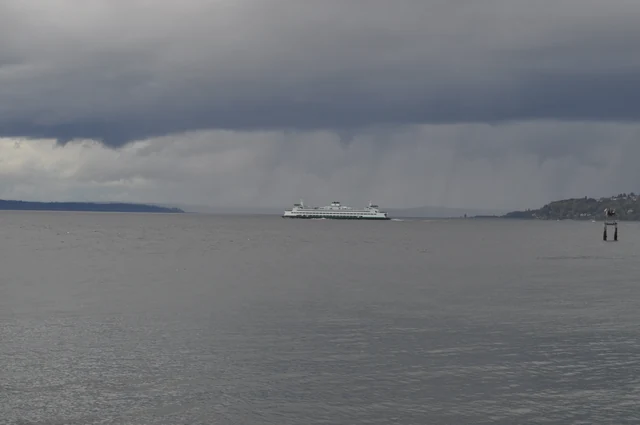
A white ferry crosses gray Puget Sound beneath dark clouds and distant rain.
A ferry crossing Puget Sound beneath rain clouds, from NOAA’s historical weather-photo collection. · Photo: Wea04562 (14502611471).jpg — LCDR Gary Barone, NOAA Corps (ret.) / NOAA Photo Library, CC BY 2.0 · CC BY 2.0 — image and resized versions · Resized with Lanczos and encoded as lossy WebP; aspect ratio and full frame retained. No crop, generative edit or content removal.

A little less driving. A little more time outside.

The mountains can seem close enough to fold into any Seattle afternoon. Across the water, the Olympics form one horizon; eastward, the Cascades make another. Between them are ferry lanes, wooded neighborhoods, and shorelines that reward a slower first visit. Begin by giving the Sound your attention. A boat crossing and a forest walk can tell you more about this landscape than a long day spent chasing a distant summit.

This trip keeps three nights in Seattle and uses three distinct days: a city park, a ferry crossing, and the western Cascade foothills. Beyond that, choose a direction. Bellingham opens a northern coastal stay. Leavenworth and Wenatchee belong to an eastern-Cascade trip. Port Angeles belongs to the Olympic Peninsula, across the Sound and outside the Cascades. Each is worth its own luggage-unpacking time; connecting all five would change a short holiday into a transport exercise.

Choose where to linger

Choose the landscape you want to wake up in.

Seattle anchors the short trip. The other four towns offer different directions for a longer visit.

01

Seattle

Choose Seattle for a first visit that gives city life and outdoor time equal weight. Stay where your actual transit connections work, rather than assuming that every park is near the waterfront. Discovery Park occupies Magnolia Bluff; Seward Park faces Lake Washington. They make different outings, and either can fill the outdoor half of a day.

Keep the same lodging for the ferry day and foothills day. That leaves evenings available for a neighborhood meal instead of another check-in. A car helps with the Olallie outing, but it need not accompany you onto the Bainbridge ferry. Check the complete journey from your accommodation before deciding which days require one.

02

Bellingham

Choose Bellingham when the northern coast is the point of the trip. The Chuckanut corridor and Larrabee area offer forest-and-shore possibilities without requiring a mountain-pass crossing. Decide whether you want a lake hike or a gentler trail outing before committing to a trailhead; the park map shows very different routes in the same compact-looking landscape.

Construction changes the immediate plan. State Parks announced closure of Larrabee campgrounds and main day-use facilities from September 15, 2026, through May 2027, weather dependent. Its notice lists selected routes, including the Interurban Trail and Fragrance Lake Trail, as remaining open. Verify the latest boundary and facilities before departing; do not build a stay around campground access during that work.

03

Leavenworth

Leavenworth suits a stay built around the eastern Cascades, with a small-scale river outing ready for arrival day. Waterfront Park and Blackbird Island have connected paths beside the Wenatchee River. Choose a short stretch and sit awhile rather than treating every afternoon as training for an alpine objective. Riverside recreation does not make entering the current a sensible default.

High-country plans need their own preparation. The Enchantments involve steep, primitive terrain and a distinct permit system. They are not an easy upgrade to a town walk. Use Leavenworth for that kind of trip only when the route, season, equipment, and group experience genuinely match.

04

Wenatchee

Wenatchee gives an eastern stay a riverfront center of gravity. The Apple Capital Loop Trail follows both sides of the Columbia, with urban parks on the west bank and a different, more natural setting to the east. Walk a chosen stretch or plan a ride; completing the full ten-mile loop is optional.

Leavenworth and Wenatchee can belong to the same longer eastern visit, but you do not need to sleep in both. Pick Leavenworth for its immediate mountain-town setting or Wenatchee for repeated river-path outings. The loop is shared transport space as well as recreation: slow down around other users and leave room to pass.

05

Port Angeles

Port Angeles is the Olympic alternative. Begin with the national park visitor information here, then give Hurricane Ridge or Lake Crescent a day shaped around its own conditions. This is a move to another landscape, not the next stop along the Cascade crest.

A Port Angeles stay works best when you can keep the mountain outing flexible. Low cloud may make a lakeside day the better use of your time, while road work or snow can change what is reachable. Do not add the outer Pacific coast and rain forest simply to complete an imagined Olympic checklist.
Ways into the landscape

A shoreline, a crossing, a forest day.

01

Find the Sound from Discovery Park

Let the park's forest, meadow, and bluff paths set the pace. Use the official map to choose a route from your arrival point, and keep the beach descent optional. A path down to the water also means a climb back; shoreline photographs rarely show that part of the outing.

Beach parking is restricted to ADA users, and the general-use lots are uphill. Seattle Parks lists the visitor center as closed until summer 2027. Check current trail work and any seasonal shuttle separately. If a paved surface matters more than reaching this particular beach, use Seward Park's mapped perimeter path as a different city outing; do not treat Discovery's natural trails as universally accessible.

02

Make the ferry the main event

Walk aboard the Seattle–Bainbridge Island ferry for a day with water at its center. Leave space on either side of the sailing for terminal access, a pause ashore, and the return. A flexible island afternoon is more rewarding than connecting the ferry to a distant timed activity.

Seattle–Bainbridge does not offer the vehicle reservations available on the Anacortes–San Juan Islands and Port Townsend–Coupeville routes. Buying a ticket is not reserving a departure. Read the current timetable and alerts, and choose a return with margin. For mobility needs, check the assigned vessel and both terminals: elevator outages can change an otherwise workable day.

03

Choose a western-foothills forest day

Olallie State Park supplies the Cascade part of this short trip without sending you over a pass. Choose an outing from the park map, rather than collecting trail names. The older brochure describes Weeks Falls Interpretive Trail as a one-mile round trip; ask the park about present surface and access if those details determine your choice.

Twin Falls is a different walking commitment, with changing grades and viewpoint approaches. At the October 17, 2026 review, the park still listed its Lower Falls Viewpoint as closed after storm damage. Follow barriers and use only open sections; another overlook is never a reason to improvise around a closure. A short forest visit is a complete day when paired with an unhurried picnic.

04

Let the eastern rivers provide a slower day

On a longer eastern trip, balance a mountain objective with Leavenworth's Waterfront Park or a selected Apple Capital Loop stretch in Wenatchee. These are places to watch the river and move at conversation pace. Choose a turnaround before fatigue makes it for you, especially when traveling with people who want different distances.

A paved route still needs a weather check. Heat, wind, ice, or detours can change its usefulness. Chelan PUD lists the east-side Nature Preserve portion of the loop as closed December 1 through March 1. Plan a permitted out-and-back in winter instead of assuming the full circuit is available.

05

Choose lake or ridge on the Olympic Peninsula

From Port Angeles, Lake Crescent offers a lower-elevation alternative to Hurricane Ridge. NPS describes the Spruce Railroad Trail along the lake's north side as paved. The Moments in Time route has a hard-packed surface with roots and uneven sections. Choose by the actual route description and your group's needs, not by the word 'nature' on a sign.

Hurricane Hill is paved too, but NPS records steep sections reaching 15–20 percent. Pavement is not a promise of an easy climb. At review, Hurricane Ridge had construction impacts and no potable water listed. Bring your own supplies and confirm the road, facilities, and forecast before making the ascent.

A suggested journey

Three days with Seattle as home.

Arrive the previous evening if possible. Switch the days around the forecast and actual ferry service; keep one main outing each day.

  1. Day 1

    Forest and saltwater within the city

    Start at Discovery Park with a map and a route chosen for the whole group. Spend the morning among the trees and open ground, stopping where the water comes into view. Add the beach only if the descent, return climb, and current access make sense. Use Seward Park instead when its paved perimeter better matches your mobility needs.

    Keep the afternoon for Seattle itself. There is no need to drive to a second major park to make the day count. Settle into the neighborhood around your lodging, organize tomorrow's ferry journey, and leave the weather forecast room to influence the order of the next two days.

    Stay in Seattle.
  2. Day 2

    Cross the Sound without moving hotels

    Head to the Seattle ferry terminal for a Bainbridge crossing after checking the actual sailing and service alerts. Walk aboard if your island plans allow it. Spend time ashore within the reach of your chosen walking or transport plan, then return with enough flexibility to absorb a changed sailing.

    Keep the crossing as the day's main excursion. This is not the moment to continue to Port Angeles or turn the outing into an Olympic circuit. When service or weather makes the ferry unattractive, use the city day you saved and revisit the crossing when conditions cooperate.

    Return to the same Seattle lodging.
  3. Day 3

    Take one foothills outing, then come back

    Use a car for Olallie State Park after confirming access and the relevant parking pass. Select one open trail or interpretive walk, carry lunch and water, and give the forest enough time that the outing does not become a hurried waterfall photograph. Respect the Twin Falls lower-viewpoint closure while it remains posted.

    Return to Seattle for the final evening. If winter roads, heavy rain, or trail conditions make this a poor day to leave town, choose a suitable city outing instead. Save Leavenworth and Wenatchee for nights on the eastern side of the mountains, with the pass crossing treated as a transfer day.

    Stay in Seattle, or depart with a realistic travel margin.

Plan for the elevation

Plan for the water and the elevation.

Spring

Keep early trips centered on lowland paths and water. A pleasant Seattle morning does not establish conditions on a mountain trail. On the Olympic Peninsula, high-elevation snow can persist into June; in the Enchantments, shoulder-season travel can still be wintry. Let a forest walk be the plan rather than a consolation prize.

Summer

Longer outdoor days offer room to linger, but smoke can undo a carefully chosen mountain plan. Check Washington's air-quality map and forecast before committing to strenuous activity. Keep an indoor option and be willing to shorten the outing. For ferry days, verify service and avoid building the return around the last possible connection.

Fall

Give yourself more return margin as daylight contracts. Mountain weather can turn before a town walk feels wintry, and seasonal toilets or services may already be closing. Leavenworth lists Waterfront Park restroom closure on October 15. For fall 2026 and spring 2027, the Larrabee construction notice is especially important to a northern stay.

Winter

Keep the Seattle plan flexible and treat eastern-Cascade travel as a separate winter-driving decision. Snoqualmie and Stevens passes can close for avalanche control; read current restrictions and carry the required traction equipment. Do not assume all-wheel drive removes every chain requirement. Winter mountain recreation needs skills and forecasts beyond a summer walking itinerary.

Make the trip work

Plan the details that matter.

Match the pass to the place

The Discover Pass applies to vehicle parking on specified Washington state recreation lands, including Olallie. Olympic National Park has its own entrance-pass system. National forest trailhead passes and wilderness permits are separate again; check the exact destination rather than buying one pass and assuming it covers the trip.

For an Enchantments extension, the official reservation page distinguishes the limited overnight permits from self-issued day-use permits during May 15–October 31. Day use also has parking requirements. Having a permit does not make the terrain suitable or guarantee safe conditions. This three-day Seattle itinerary includes no Enchantments hike.

Give crossings and passes breathing room

Check ferries as transport services, with route-specific rules, rather than as scenic roads that happen to float. If moving to Port Angeles, compare your complete road-and-ferry journey and leave room for disruption. An island day as a foot passenger and an Olympic transfer with luggage are different plans.

For an eastern stay, consult WSDOT for the actual pass and direction of travel. A closure is a reason to reconsider the day's move, not to follow an unverified shortcut. Avoid a tightly timed flight or reservation immediately after a winter pass crossing.

Before you settle on a plan

A few useful questions.

Can all five towns fit into three days?

Choose one base for that length of trip. Seattle supports this itinerary; Bellingham, the Leavenworth–Wenatchee area, and Port Angeles each deserve a separate stay.

Is this itinerary fully accessible?

No single access claim covers these outings. Use route-level surface and slope information, confirm ferry elevators, and choose paved city or lakeside alternatives where they suit your needs.

Before you go

Check the day’s conditions.

Recheck ferry service, park alerts, mountain-pass restrictions, and air quality before each outing. Dated construction notices describe what was posted at review, not a guarantee of current access.

Keep the essentials simple.

  • Download the relevant park map before leaving reception. Carry water, food, rain protection, warm layers, and a light; set a turnaround that leaves daylight for the return.
  • Keep to open paths and official crossings. Shoreline access is not permission to enter cold water, climb unstable bluffs, or bypass barriers for a photograph.
Sources & editorial scope

Research checked 2026-10-17. A sourced planning guide, not a firsthand account or live access report. Official pages were reviewed October 17, 2026; schedules, construction limits, and weather require fresh checks.