The Adventure Collective Journal · Regional guide

Tennessee Foothills & North Georgia

River paths, woodland walks, and a city worth coming home to. Settle into Knoxville, or give Helen and Dahlonega a Georgia trip of their own.

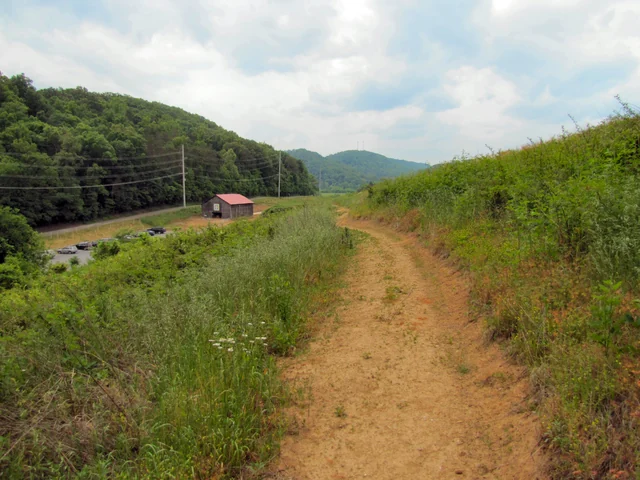
A dirt trail crosses a grassy hillside above a small barn at Seven Islands State Birding Park.
A branch of the Upland Trail at Seven Islands State Birding Park, photographed in 2015. · Photo: Seven-Islands-dirt-path-tn1.jpg — Brian Stansberry, CC BY 3.0, via Wikimedia Commons · CC BY 3.0 — image and resized versions · Resized with Lanczos and encoded as lossy WebP; aspect ratio and full frame retained. No crop, generative edit or content removal.

A little less driving. A little more time outside.

The mountains do not have to be the first thing on the schedule. In Knoxville, a satisfying outdoor day can begin with a greenway, turn into a walk through former quarry country, and end back in the city with enough energy left for dinner. Farther out, the French Broad River and the wooded slopes around Norris offer different ways to spend a morning. The reward is a trip with room to notice the landscape instead of continually driving toward its most famous view.

This regional grouping also reaches into North Georgia, where Helen and Dahlonega offer another set of beginnings. Helen suits a river-and-forest stay; Dahlonega pairs a historic town center with a dedicated waterfall excursion. They belong in the same broad conversation about the southern Appalachian foothills, but they do not belong at the far end of a daily outing from Knoxville.

For three days, choose Knoxville and keep the same bed. Use the Georgia sections to plan a separate visit or a later stage of a longer journey. That simple decision leaves the itinerary open to the weather, the interests of the group, and the occasional pleasure of finishing a walk before anyone is tired of walking.

Choose where to linger

Choose where the trip begins.

Knoxville anchors the three-day route. Helen and Dahlonega are alternatives for a Georgia-focused stay, not additional nightly stops.

01

Knoxville

Choose Knoxville when you want outdoor time without making every day a mountain expedition. Ijams and the Urban Wilderness put woodland and greenway choices on the city side of the itinerary. Seven Islands and Norris add variety on separate outings. Look for lodging that makes your evenings easy, then check the actual trailhead location before setting out; a large recreation network can have several entrances with very different routes beyond them.

Keep an afternoon for the Museum of East Tennessee History on Gay Street. It gives the landscape a human dimension and makes a useful change of pace between walks. This is also the practical advantage of a city base: if a forecast closes down the outdoor plan, the day still has somewhere meaningful to go.

02

Helen

Helen works best as a North Georgia stay built around the Chattahoochee River and nearby woodland. Start with the Helen to Hardman Heritage Trail, then give Smithgall Woods a separate morning. That combination leaves room for both a modest river walk and a more deliberate forest outing, without treating every waterfall on the map as essential.

Pick this base if you want a clear outdoor plan with an easy town return. Before visiting Smithgall, check the hunting schedule and register at its visitor center. A trail network on a map is not blanket permission to roam every section on every date.

03

Dahlonega

Dahlonega suits a stay where history carries as much weight as hiking. Begin with the Gold Museum in the former courthouse, then save a different day for Amicalola Falls. The museum describes a gold rush into the Cherokee Nation; read that history as more than a prospectors’ success story. Its upstairs exhibits are not wheelchair accessible, so ask what can be experienced on the ground floor before planning a visit.

Choose accommodation around the kind of evening you want, rather than assuming a remote address makes a better outdoor trip. A waterfall day and a town day are enough structure for a short stay. If Helen is also on the wish list, add time instead of repeatedly moving between towns.

Ways into the landscape

Follow the river. Then follow your curiosity.

01

Find the woods inside Knoxville

At Ijams, start with the current trail map rather than an ambition to cover the whole network. The nature center offers routes of different difficulty, mostly on natural surfaces, while the Will Skelton Greenway provides a paved alternative. A woodland walk with a riverward destination is a good first-day scale: enough to settle into the place, with an easy decision to turn back.

The quarry side adds rugged terrain and trails shared with mountain bikers. Choose it deliberately rather than allowing a gentle walk to become an accidental longer circuit. Check closures before arrival and leave muddy or closed trails alone. Boat rentals and swimming are separate activities with their own operating conditions; a lakeside photograph is no promise that either is available.

02

Watch the French Broad slow the morning down

Seven Islands State Birding Park rewards a patient pace. Begin around the Bluebird Barn and take the Bobwhite Accessible Trail toward the river. The published birdwatching guide describes a paved, 0.9-mile one-way route to the bridge, so allow for the return rather than treating that figure as a loop. Bring binoculars if you have them, but start by watching movement at the edge of the vegetation.

The aim need not be a long species list. Pick a few places to pause, keep voices low, and let a quiet interval be part of the outing. A past state-park program confirms this paved route as an accessible birding option; it does not establish today’s surface or bridge condition. Contact the park for current access needs and equipment arrangements.

03

Trade city edges for a wooded bluff

TVA’s River Bluff Trail offers a more sustained walk at Norris Dam Reservation. The land manager lists a moderate 3.2-mile loop, on the west side of the dam. This is the day for the group that wants a woodland hike rather than a paved stroll. Read the trail map before leaving the parking area, and make sure the distance and terrain suit everyone.

The surrounding small wild area protects forest on steep slopes above the Clinch River, with a notably rich wildflower community. In spring, look closely without stepping into the plants. In any season, resist the urge to descend toward water or invent a shortcut. If the route is wet, icy, or beyond the group’s comfort, a shorter paved outing back in Knoxville is a perfectly good replacement.

04

Give Helen a river day and a forest day

The Helen to Hardman Heritage Trail follows the Chattahoochee between town and Hardman Farm. Georgia State Parks describes it as a one-mile ADA-accessible route with parking at both ends. Walking back makes a two-mile outing; choose a shorter turnaround when that is the better fit. Interpretive panels supply reasons to stop along the way.

On another day, visit Smithgall Woods for a forest walk chosen with staff guidance. Fishing here is a separate, regulated plan with restricted days, seasonal rules and reservations. If fishing matters to the trip, settle those arrangements first. If it does not, leave the rod behind and let the woods be the point.

05

Choose your version of the waterfall day

From a Dahlonega stay, give Amicalola Falls a dedicated outing. Start by choosing an approach rather than assuming every walk to the waterfall has the same demands. The operator’s guided route from the visitor center is described as moderate to strenuous, with steep inclines, trip hazards and optional stairs. It is not a stroller route.

For a different access requirement, consult the current park map and ask staff about an appropriate viewpoint approach before setting out. Do not follow the full staircase simply because it appears beside the view. At the October 17, 2026 review, the operator reported East Ridge Trail closed for maintenance. Treat that as dated information to recheck, and build the day without relying on that trail.

A suggested journey

Three days, with Knoxville to come home to.

Arrive the previous evening if possible. Each day has one outdoor anchor, with space for a shorter route or a weather change.

  1. Day 1

    A city morning that turns into a woodland day

    Start at Ijams after checking that day’s access and parking instructions. Choose one route from the current map, with the greenway as the simpler alternative to rougher quarry trails. Give the walk the morning rather than attaching a timed second adventure to it. Pause for lunch before deciding whether anyone wants more walking.

    Return to Knoxville for the Museum of East Tennessee History if its hours fit, or save it for the weather-change slot later in the trip. Keep dinner close to your lodging. The useful achievement today is finding a pace everyone would happily repeat.

    Stay in Knoxville
  2. Day 2

    A river morning with room to linger

    Make Seven Islands the day’s anchor. Follow the paved Bobwhite route as far as the group wants, allowing time at the river before retracing your steps. Bring the food, water and binoculars you need; the plan should not depend on a concession or equipment rental being open.

    Leave the afternoon uncommitted. Return to town, revisit something that caught your attention, or use the museum slot if weather shortened the walk. Do not turn an early finish into a last-minute drive toward the Smokies. This itinerary works because each place gets attention without borrowing time from the next.

    Stay in Knoxville
  3. Day 3

    A longer forest walk, or a gentler farewell

    With suitable weather and a willing group, head to TVA’s River Bluff Trail for the moderate loop. Confirm the correct trailhead and carry the map; the Norris area includes multiple recreation properties, and arriving at the dam is not the same as arriving at your walk. Allow the hike to be the principal event before returning toward Knoxville.

    If legs, footing or the forecast argue against it, choose a manageable out-and-back on the Will Skelton Greenway instead. Its asphalt surface includes steep slopes, so select the section and turnaround with care. Finish with time to pack or depart. Helen and Dahlonega remain choices for another stay, not a final-day detour.

    Stay in Knoxville again, or depart after the outing

Plan for the elevation

Let the season change the plan.

Spring

Build a spring stay around looking closely: River Bluff’s flowers and a birding morning at Seven Islands make a strong pairing on different days. Bloom and migration timing vary, so choose a date for the time you have rather than a guaranteed spectacle. Carry rain protection and be willing to replace a slippery woodland route with a surfaced path.

Summer

Put the longest walking effort early in the day and preserve an indoor afternoon option. Heat and humidity make an exposed river walk feel different from the same distance in cool weather. Check thunderstorm guidance before leaving; if thunder develops, seek a substantial building or enclosed hard-topped vehicle rather than waiting beneath a tree. Carry water even for a short outing.

Autumn

Keep the appeal of autumn separate from a promised peak-color date. Cooler walking weather can make a longer day tempting, but shortening daylight still sets the return. This is also a season to read hunting notices carefully: parts of the Urban Wilderness and Smithgall Woods have access rules that matter more than the route saved on your phone.

Winter

Favor flexible, lower-elevation plans and check for freezing conditions before choosing a route. Paving does not make an icy path safe, and a mild afternoon forecast does not describe the surface first thing in the morning. Use Knoxville’s museum as a full part of the trip when the woods are unsuitable. Georgia waterfall steps deserve the same conservative judgment.

Make the trip work

Plan the details that matter.

Match access to the route, not the park name

The Will Skelton Greenway is asphalt but includes steep slopes. The Helen to Hardman trail has an official ADA-accessible designation, while that designation does not describe every space at Hardman Farm. In Dahlonega, the museum’s second floor is not wheelchair accessible. Ask about the exact route, restrooms, parking and assistance your group needs; a broad accessibility label is only the start of planning.

Read the small print before adding an activity

Ijams parking, Smithgall registration, and fishing reservations are distinct requirements. The city’s Urban Wilderness information also identifies hunting-season restrictions at Forks of the River. Do not assume a connected trail network has one set of rules, or that a hiking visit authorizes a fishing or climbing session. Stay with the selected walking route unless you have checked the rules for the extra activity.

Build a Georgia trip on its own terms

For a Helen-focused visit, begin with the heritage trail, devote a second day to Smithgall Woods, and leave another day for Hardman Farm or a weather-adjusted repeat outing. For Dahlonega, give the museum and town their own time, then plan Amicalola around a suitable route. Combining the two bases is a longer-trip choice. Make the transfer a deliberate part of the schedule rather than something squeezed between hikes.

Before you settle on a plan

A few useful questions.

Can I include Helen in a three-day Knoxville trip?

Use Helen as a separate stay. The three-day route here returns to Knoxville each evening, leaving North Georgia for a later stage or another visit.

Does this itinerary require a Smokies parking tag?

The named walks are outside Great Smoky Mountains National Park. If you change the trip to include the national park, check its current parking and access requirements separately.

Before you go

Check the day’s conditions.

Check Ijams closures, TVA trail information, the weather briefing and the relevant Georgia operator before departure. This guide does not establish same-day access. Tennessee State Parks main pages could not be retrieved during research, so confirm Seven Islands conditions directly with the park.

Keep the essentials simple.

  • Download the relevant trail map before departure and carry water, food, weather layers and footwear suited to the actual surface. Leave your route and expected return with someone.
  • Treat water activities as a separate plan requiring suitable equipment, skills and current conditions. This walking itinerary does not depend on rentals, swimming or river access being available.
  • Check parking instructions at each site. Ijams charges for parking; Amicalola requires a park pass. Use the operators’ current pages for terms rather than assuming one payment covers neighboring properties.
Sources & editorial scope

Research checked 2026-10-17. A researched planning guide, not a firsthand account or live conditions report. Sources were reviewed October 17, 2026; check current access before traveling.