The Adventure Collective Journal · Regional guide

Whitefish & the Northern Rockies

Forest trails, big lakes, and a mountain day worth leaving room for. Start in Whitefish; give Sandpoint a trip of its own.

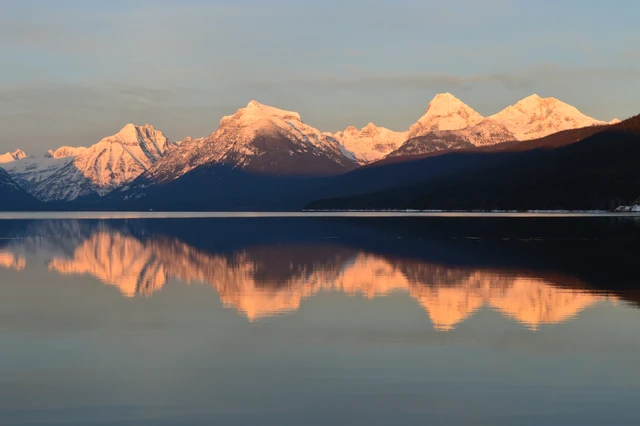
Warm light on snowy mountain peaks reflected in the still water of Lake McDonald.
Snow-covered peaks reflected in Lake McDonald in Glacier National Park, photographed in January 2014. · Photo: Lake McDonald with Mt Cannon, Mt Brown, Little Matterhorn, Mt Edwards, and Gunsight Mountain (12091853594).jpg — GlacierNPS / National Park Service, Public domain (United States), via Wikimedia Commons · Resized with Lanczos and encoded as lossy WebP; aspect ratio and full frame retained. No crop, generative edit or content removal.

A little less driving. A little more time outside.

The mountains beyond Whitefish make a persuasive argument for looking up. The better planning move is to look nearby first. A forest walk, a lakeshore afternoon, and one carefully chosen Glacier day give this corner of Montana a shape you can actually enjoy. Whitefish is a town to return to, rather than a launching pad for a different long-distance objective every morning.

Sandpoint belongs in the same conversation because it offers another northern mountain-and-lake life: Lake Pend Oreille below, Schweitzer above, and room to trade summit ambitions for time near the water. It does not belong in the same daily commute. Choose Whitefish for a first three-day stay that includes western Glacier. Choose Sandpoint for a separate Idaho visit, or add it with its own nights when the journey is long enough. The regional label connects two possibilities; your itinerary should preserve their differences.

Choose where to linger

Two towns, two kinds of stay

Choose a home base before choosing the biggest outing.

01

Whitefish

Stay here when you want local outdoor choices as well as access to western Glacier. A downtown room and a mountain-side room serve different mornings: the former favors town time between outings; the latter makes more sense when resort days are the purpose. Ask how you will reach the trailhead or lift you actually intend to use. A promising address does not solve every transport need.

Give the town a full day before turning toward the park. The Whitefish Trail offers a useful way to find your walking pace, while Whitefish Lake provides a different horizon without requiring an alpine forecast. If your group includes enthusiastic hikers and people happier with a short outing, this combination is easier to adapt than making every day depend on a high pass.

02

Sandpoint

Build a separate stay around Lake Pend Oreille and Schweitzer. The mountain supplies seasonal skiing and summer recreation; Round Lake State Park offers a smaller-water alternative south of town. Decide whether you are coming chiefly for ski laps, forest walks, or lake time before picking lodging. Mountain access and town access are different conveniences.

For an additional day, Farragut State Park adds trails and the seasonal Museum at the Brig at the southern end of Lake Pend Oreille. As checked October 17, 2026, the museum was closed for the season, with reopening announced for Memorial Day weekend 2027; confirm that schedule before planning a visit. Its official page flags construction affecting State Highway 54 through the park, so check the approach before departure. Treat this as an Idaho itinerary, not a stop to wedge between Glacier hikes. Moving from Whitefish deserves a travel day with room to settle in.

Ways into the landscape

The days worth building around

01

Start with the Whitefish Trail

Use the steward’s current map to choose a manageable walk from Lion Mountain or another open trailhead. The reward is having time to notice the forest rather than chasing a quota of miles. Set a turnaround that leaves something in reserve for tomorrow; visitors arriving from a travel day rarely need their most demanding outing immediately.

This is a shared, nonmotorized network. Ride under control, yield appropriately, and give other users room. Soft spring ground needs restraint: Whitefish Legacy Partners asks users to avoid muddy trails rather than widening them or cutting around wet spots. A rainy morning is a good reason to change the plan. Carry bear spray accessibly and check posted wildlife notices even on a short, familiar-looking route.

02

Let Whitefish Lake set the pace

Whitefish Lake State Park gives a local lake day a concrete destination. Bring a picnic and decide at the shore whether conditions favor a paddle or simply time beside the water. A lake view does not obligate anyone to launch. Wind, cold water, and the ability to get everyone back safely matter more than completing the plan.

If renting, confirm the actual launch location, return arrangements, flotation equipment, and weather policy with the operator. Keep a small-water route close to a suitable landing rather than aiming across open water. Clean, drain, and dry equipment between waters; Glacier has its own inspection and launch-permit system, so a boat used here is not automatically ready to launch in the park.

03

Choose one western Glacier day

Lake McDonald and the Avalanche area make a more coherent first park day than collecting trailheads on both sides of the Continental Divide. Where road access and parking permit, Trail of the Cedars offers old-growth forest on a short developed route. Continuing toward Avalanche Lake is a separate hiking decision: consider trail conditions, energy, and time before committing beyond the shorter walk.

For a mountain-road day, substitute an outing toward Logan Pass when the alpine road and your intended trail are open. Do not add it automatically after Avalanche Lake. Snow, exposure, congestion, and transport can turn a simple-looking map into a very different day. Keep a lower-elevation alternative ready and accept it before fatigue or deteriorating weather forces the choice.

04

A summit outing above Whitefish

Whitefish Mountain Resort offers a seasonal scenic lift option for a broader view without making the whole group hike uphill. Plan around the confirmed operating day and the last ride down. A lift changes the effort required to reach the mountain; it does not remove wind, weather, uneven ground, or the need for warm layers.

The resort’s scenic-lift page was marked closed for summer at this October review. Treat summer access as a future-season option requiring a fresh check. In winter, make the mountain the principal activity for the day, choose terrain suited to the least experienced skier, and respect closures. Uphill travel has its own permitted routes and hours whenever snow is present; an empty slope is not an invitation to climb it.

A suggested journey

Three days from Whitefish

A fair-weather, snow-free outline with all three nights in Whitefish. Reorder around conditions; a closed alpine road changes the outing, not the value of the trip.

  1. Day 1

    Day 1: find your Whitefish rhythm

    Start with a modest Whitefish Trail outing selected from the current conditions map. Let the group’s pace determine the length, then return to town with time to eat and check tomorrow’s weather. This is a useful day to sort footwear, layers, food storage, and the park plan while changes are still easy.

    Spend the afternoon at Whitefish Lake State Park if conditions suit. Keep it shore-based if wind or fatigue makes boating unappealing. Before dinner, choose between tomorrow’s lower western-Glacier outing and a mountain-road alternative. Make that decision from current information, not from how impressive the photographs look.

    Whitefish
  2. Day 2

    Day 2: give western Glacier the day

    Leave with food, water, offline maps, and a clear turnaround. For the lower-elevation version, focus on Lake McDonald and the Avalanche area, with Trail of the Cedars as the short walk and a longer hike only if everyone is prepared. Parking availability is part of access; use lawful alternatives rather than circulating indefinitely or stopping on a shoulder.

    If instead choosing Logan Pass, arrange the season’s actual transport before building a long hike around it. The 2026 express shuttle did not function as an all-stops sightseeing bus to Avalanche. Whatever your route, allow time to return to Whitefish without racing the dark. Skip the east-side add-on; a separate visit can give it the attention it deserves.

    Whitefish
  3. Day 3

    Day 3: mountain views or another local day

    On an operating summer day with suitable weather, make the Whitefish Mountain Resort scenic lift the main outing. Confirm boarding access and return arrangements before buying tickets, especially for anyone using a mobility aid. Keep any summit walk optional rather than making it the only way the day feels complete.

    If lifts are closed or the mountain is in cloud, return to an open local trail or enjoy a slower lake-and-town day. This spare capacity is deliberate: three days should leave space for weather and for the place itself. In winter, replace the summer outline with resort-centered days. Continue to Sandpoint only with additional nights and a separate plan.

    Whitefish

Plan for the elevation

Let the season set the radius

Spring: keep the plan low

Melting snow and soft ground make this a season for flexible local outings. A valley that feels warm says little about the alpine road or high trails. Choose dry, open routes, leave muddy trail surfaces alone, and build a trip that works without driving across Logan Pass. Any spring road cycling requires checking the current closure boundary and daily restrictions, not following an old ride report.

Summer: reserve energy as well as plans

The fullest menu of lake, trail, and mountain choices still needs editing. Give each day one main objective and carry a shorter alternative. Check road and trail status, wildfire-related restrictions, smoke, and the forecast before leaving town. Peak-season transport rules change by year; the 2026 Logan Pass pilot described below is a record of that season, not a promise for the next one.

Autumn: quieter does not mean fully serviced

Shorter days make leisurely starts more expensive in usable daylight. Lake and forest outings can suit the season well, but alpine weather and road closures can arrive before the trip on your calendar. Glacier announced the end of its 2026 Logan Pass shuttle and timed-parking pilot on September 8. That notice also ended water service there that day; autumn visitors need their own drinking water and an independent transport plan.

Winter: choose a mountain, then stay put

Whitefish and Sandpoint each support a ski-focused stay, with Whitefish Mountain Resort and Schweitzer respectively. Choose one rather than commuting between them. Verify lift operations, lessons, equipment, and winter-road conditions directly. For non-ski days, use currently suitable local walks or designated winter routes; snow-covered summer trails require a new assessment. Backcountry avalanche terrain is a different undertaking from managed resort recreation.

Make the trip work

Plan the details that matter.

Glacier access: read the year first

No vehicle reservations were required anywhere in Glacier in 2026. That did not remove the entrance-pass requirement or guarantee a parking space. The July 1–September 7 pilot combined a ticketed Logan Pass shuttle with a three-hour parking limit at the pass. The park’s September 8 release confirmed both had ended for the season, with untimed first-come parking thereafter until winter road closure.

These are dated facts, not next-season instructions. Before a future trip, check newly issued access rules and the road report. The 2026 shuttle used specific boarding locations and times, and its west-side express route served The Loop and Logan Pass rather than Avalanche. Build transportation around the actual trailhead; do not assume an accessible shuttle reaches every accessible walk.

Match the surface to the traveler

NPS identifies Trail of the Cedars as an accessible 0.7-mile route with boardwalk and firm pavement. That description does not establish current parking, snow-free access, or transport availability. Check the approach, restrooms, and surface condition before leaving, and use the park’s location-specific mobility information rather than treating every short trail as accessible.

For Idaho alternatives, Round Lake lists accessible campsites and restrooms; Farragut lists additional accessible facilities, including a trail and the seasonal museum. Ask which route or facility meets your needs and whether construction affects the approach. For resort rides, verify boarding procedures and mobility-device compatibility directly rather than inferring accessibility from the presence of a gondola.

Separate a day walk from other permissions

This itinerary does not include wilderness overnight camping. Adding that changes the planning: obtain the required Glacier wilderness permit and arrange transport suited to the overnight route. A day-use shuttle plan is not a backcountry exit plan.

Launching any watercraft in Glacier requires the park’s inspection and launch permit; bring clean, drained, dry equipment and check inspection availability. Even a paddleboard needs this step. Campgrounds, resort activities, and state parks have their own booking or entry arrangements. Verify those directly instead of assuming a national-park pass covers the whole region.

Before you settle on a plan

A few useful questions.

Can Sandpoint work as my daily Glacier base?

For this guide, choose Whitefish for the three-day western-Glacier plan. Give Sandpoint its own nights for Lake Pend Oreille, Schweitzer, and Idaho park outings.

Do I need a Glacier vehicle reservation?

Not in 2026. Entrance requirements still applied, and the dated Logan Pass shuttle and parking pilot was separate. Check the rules issued for your actual travel year.

Before you go

Check the day’s conditions.

Check current park road and trail reports, Whitefish Trail conditions, seasonal resort operations, and Idaho park notices. This draft was reviewed after the 2026 summer shuttle season; it does not establish live access or future-year rules.

Keep the essentials simple.

  • Keep food and scented items secured, carry bear spray where you can reach it, and know how to use it. In Glacier, stay at least 100 yards from bears and wolves and 25 yards from other wildlife; increase the distance if your presence changes an animal’s behavior.
  • Pack water, food, rain protection, insulation, navigation, and a charged light for the outing you are actually taking. Tell someone your route and return plan. Phone coverage is not a reliable substitute for offline information.
  • Check vehicle dimensions before committing to Going-to-the-Sun Road: between Avalanche Creek and Rising Sun, vehicles or combinations longer than 21 feet or wider than 8 feet are prohibited. Vehicles over 10 feet high can have westbound clearance difficulties near rock overhangs.
Sources & editorial scope

Research checked 2026-10-17. Official land-manager, trail-steward, and operator sources checked October 17, 2026. Seasonal rules are dated; verify the year of your visit before booking.