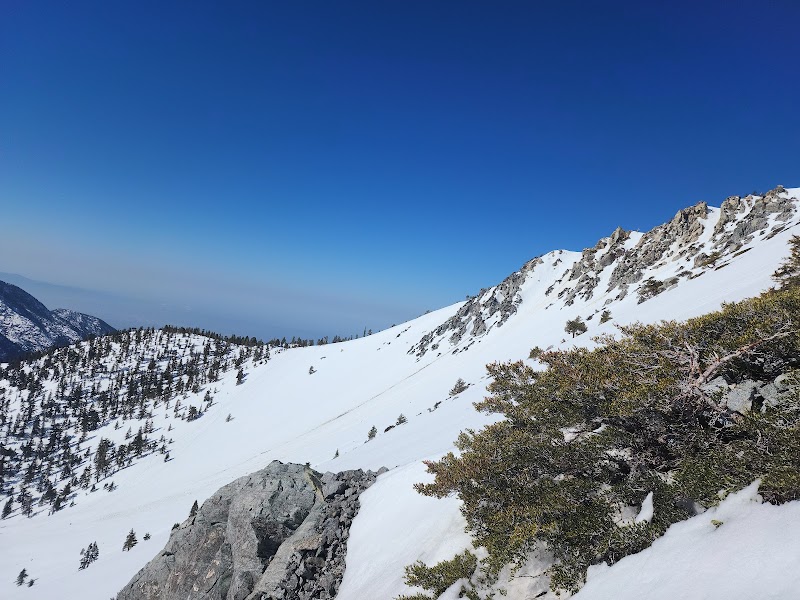
Claremont lives in the pleasant middle ground between wilderness and metropolis. Nestled against the lower flanks of the San Gabriel Mountains and braided into the Los Angeles basin by commuter rails and winding state highways, it feels both intentionally small and quietly connected. Spend an hour on the tree-lined campus paths of the Claremont Colleges and you’ll understand why the town’s placid rhythm has long attracted scholars, gardeners, and people who like the idea of a weekday hike followed by a Saturday city tour. From the botanical intimacy of Rancho Santa Ana to the postcard views along the foothill singletrack, there’s a tactile variety to the town that rewards short, repeated visits rather than a single, breathless checklist. That variety is the core of Claremont’s appeal: a morning e-bike ride around citrus groves, an afternoon photography tour through a sunlit arboretum, and a late-afternoon train ride to a coastal surf spot or a boat tour in a nearby marina all tuck neatly into a long weekend.
The town’s human scale matters. Claremont Village is compact enough for a walking tour that doubles as a tasting tour—coffee roasteries, bakeries, and independent bookstores elbow against galleries and family-owned restaurants. Layered over this civic calm is a surprising abundance of outdoor opportunities. Trails fan out into unassuming foothills that are at once welcoming for beginners and rich with alternative lines for more advanced trail runners and mountain bikers. When you want water—everything from lakeside fishing and quiet paddle sessions to a longer scouting day on the coast—you can arrange a short drive or a transit hop. Bike rental and e-bike options make exploring the town and its outskirts easy without a car, and for travelers feeling ambitious, public transit and regional trains connect Claremont to greater Los Angeles for sightseeing tours, airplane-anchored day trips, or a coastal surf session by sundown.
This is a place that rewards practical planning. Because Claremont pairs micro-adventures with urban convenience, you can mix and match activity types—photography workshops along campus architecture, an early-morning walk to a foothill overlook, an afternoon of boat rental or fishing on a nearby reservoir—and still have time to linger over dinner. The landscape and culture nudge you toward a measured approach: plan your big exposure hikes for morning, when foothill shade and cooler temperatures are on your side; leave late afternoons for easy walking tours, scenic train rides or a bus tour that carries you into neighboring valleys. Whether you come for a focused photography tour, a bike tour across citrus-lined streets, or a family-friendly day sampling water activities within an hour’s drive, Claremont makes the transitions between pursuits feel effortless, so your trip reads less like a to-do list and more like an elegantly composed day.
Access and variety are Claremont’s strengths. The town’s train station links you to the wider region and a short drive opens trailheads, reservoirs, and coastal options. Outfitters in and around town supply bike rental, e-bike hires, guided walking tours, and equipment for basic water activities.
Pair outdoors time with the town’s cultural comforts: thoughtful restaurants, public gardens, and year-round events. Shoulder seasons—spring wildflowers and autumn light—offer crisp hiking mornings and quieter village streets.
Claremont’s advantage is variety without surrendering the day to long transfers.