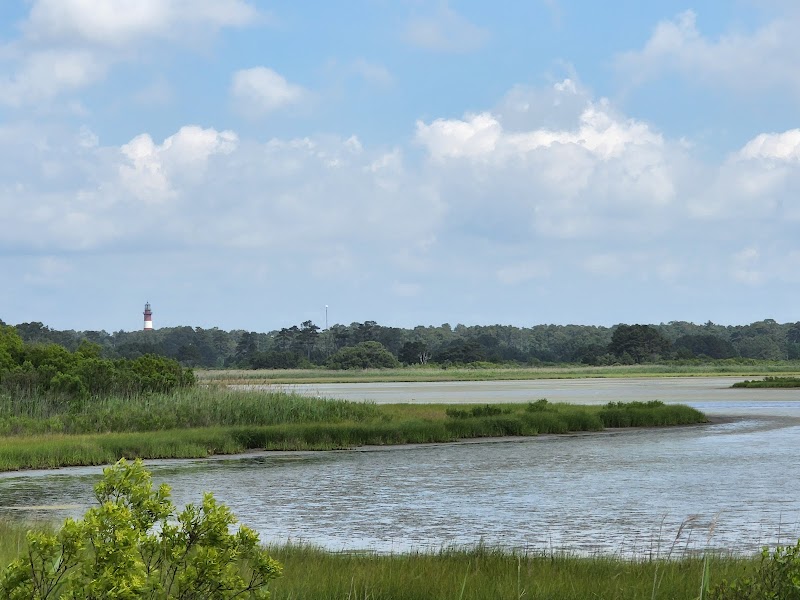
Dover is a place best understood by movement: the slow slide of a boat along the St. Jones River, the hush of a binocular sweep across a salt flat, the steady cadence of footsteps on a historic brick sidewalk. It’s compact—meaning you can start a morning with a guided city tour of the Colonial-era courthouse and statehouse, spend the afternoon on a kayak or boat tour through tidal creeks, and chase sunset light for a photography tour along the bay—all without losing the feel of discovery. The region’s scale is its advantage: short drives connect urban walks, eco tours, wildlife blinds, and ferries or boat rentals that put you on water quickly.
The cultural and natural threads that run through Dover broaden your options. Military and aviation history is unavoidable—Dover Air Force Base and its museum cast a particular gravity over the town—while Bombay Hook National Wildlife Refuge to the northeast is a magnet for migrating birds and seasonal shorebird flocks. These sites pair well with more recreational pursuits: avid anglers will find bluefish and striped bass options on charter fishing trips, families will appreciate calm kayaking and paddle days at Killens Pond State Park, and photographers can chase dramatic tidal flats and raptor migrations during shoulder seasons. For travelers who prefer guided experiences, sightseeing tours and walking tours of downtown reveal local stories; for those who favor independent exploration, boat rentals and self-guided city routes let you set the pace.
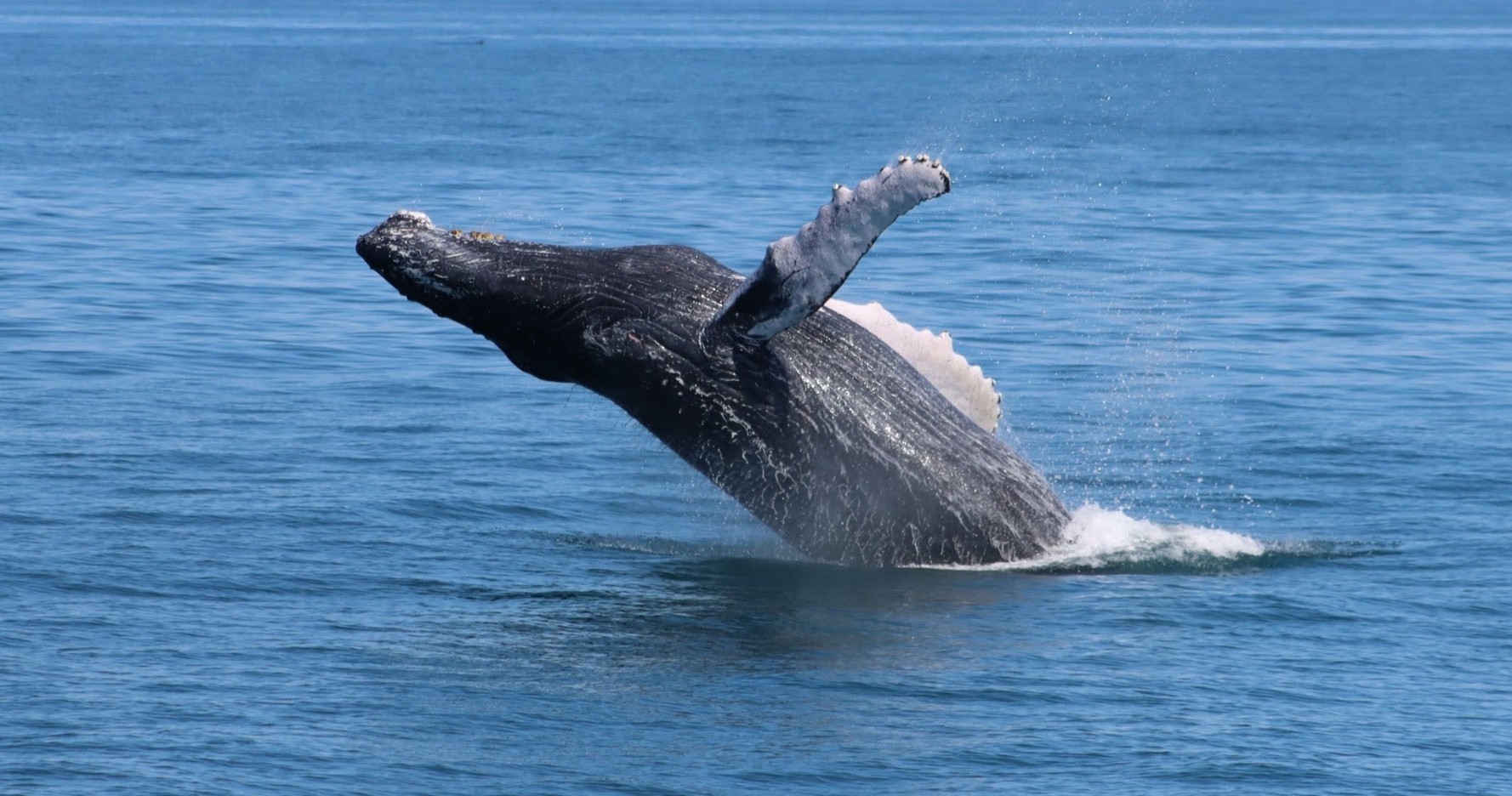
What grounds a visit here is how activities layer into one another. A morning surf or seaside walk—accessible across the bay at beaches near Lewes and Rehoboth—can be followed by an eco tour that introduces local marsh ecology, then an evening dolphin- or wildlife-focused boat tour that transforms the flats into a living theater. Dover’s modest crowds make it a practical year-round base: spring and fall concentrate migrations and comfortable water temps for kayak trips, summer offers structured water-activity programs and train-linked day trips to nearby coastal towns, and winter invites quiet photographic study of light and low-angled sun on salt marshes. The result is a destination that lets you curate both active outings—kayak, surf, fishing, ferry hops—and reflective itineraries—city and photography tours, eco-focused strolls, and easy wildlife viewing—without the logistical friction of a large coastal tourist hub.
Dover’s accessibility is one of its real strengths: well-maintained roads link state parks, refuges, and waterfront access points; local outfitters simplify boat rentals, kayak shuttles, and guided wildlife or fishing excursions; and seasonal train and ferry options open doorways to the region’s coastline. Pick shoulder seasons for migratory bird concentrations and softer crowds, or choose summer if you want structured water-activities and family-friendly programming.
Pair the outdoors with local flavor—Dover’s compact downtown holds historic inns, modest dining that leans regional, and community events that frame the day’s adventure. Whether you’re chasing surf a short ride away, lining up for a morning fishing charter, or lingering for sunset on a boat tour, the town’s scale makes transitions effortless and rewarding.
Dover’s advantage is variety without surrendering the day to long transfers.