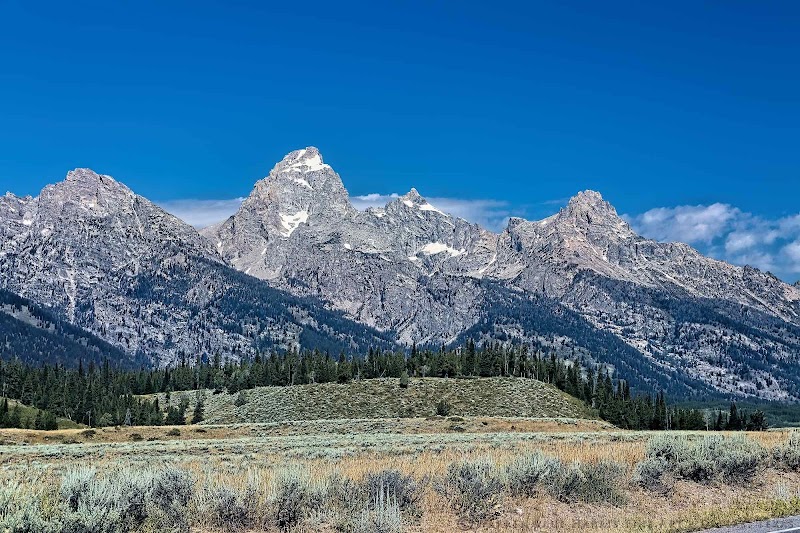
There’s a practical poetry to Driggs: a small grid of streets shadowed by a grandwall of peaks, a handful of outfitters that seem to know everyone’s name, and an easy rhythm where a morning climb becomes an afternoon float. If you ferry yourself here in winter, the valley tightens into a playground of white—snowmobile runs that thread sage flats and high bowls, groomed lifts at Grand Targhee that keep lines sensible, and backcountry gateways that welcome experienced skiers. In summer, the same elevation swing becomes an invitation. Rivers loosen into fishable seams. Gravel tracks invite ATVs and bikes. Palisades Reservoir cuts a bright blue wedge into the sage, perfect for boat rentals and long evening light.
The reason Driggs reads like a condensed season is access. The town functions as a compact basecamp: a single grocery stop, a handful of cafes, and enough guides and rental shops to outfit a group without fuss. That means you spend more hours outside and fewer figuring out logistics. It also means the activities stack cleanly—start with a sunrise Ridge hike, move to a mid-day fly-fishing session, and finish with a low-light wildlife watch as elk and mule deer cross the meadows. The Valley’s wildlife is a persistent character in any visit: raptors freckle the thermals, moose haunt willows, and pronghorn or elk appear on ridge-lines if you keep still.
Culturally, Driggs is muted but earnest. There are no pretenses—just local knowledge, an emphasis on safety and conservation, and guides who interpret weather, water, and snow conditions like a second language. That sensibility matters: whether you’re booking a snowmobile run that drops you at a remote saddle or hiring a guide for float fishing on the Teton River, the region favors sustainable, low-impact access. Outfitters commonly brief clients on wildlife etiquette, private-land respect, and Leave No Trace practices before they push a throttle or cast a line.
For travelers deciding when to come, Driggs rewards focus. Winter is uncompromisingly active—think snowmobiling and downhill/splitboard days—while summer layers a mix of hiking, fishing, boating, and guided eco tours. Both seasons offer a kind of solitude few high-profile mountain towns maintain: fewer crowds, wide horizons, and a calendar that still bends to early sunrises and late golden hours. If you want to sample the whole palette, plan a shoulder-season visit that catches late snowmelt and early summer fishing; if you want to chase snow, lock a winter weekend and rely on local guides to steer you toward the safest, most scenic lines.