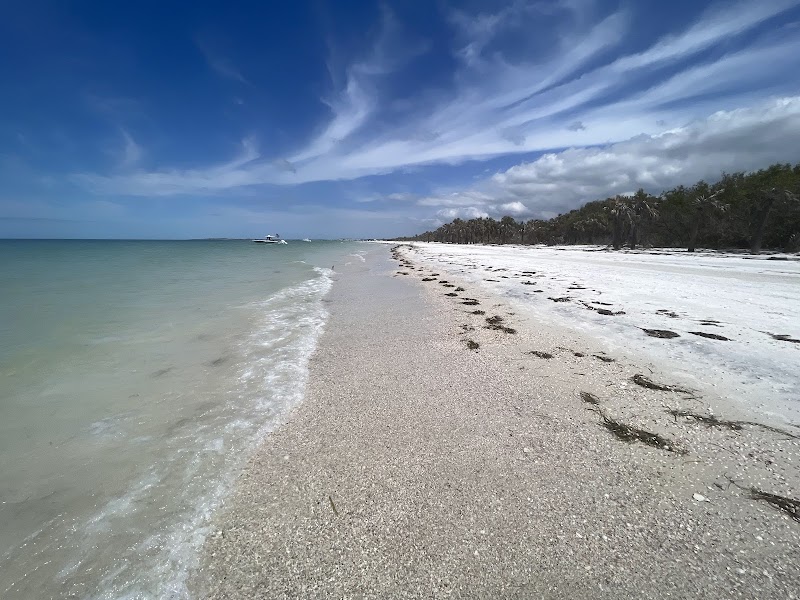
Dunedin is a tight, maritime town where the horizon rarely sits still. On any morning the Gulf reshapes the plan—calm, glassy water invites early kayak tours and snorkeling excursions around oyster bars; a stiff southeasterly blows up whitecaps and calls small-boat sailors out of the marina. There’s a pragmatic generosity to the place: the barrier islands—Honeymoon Island and Caladesi—are minutes by ferry or a short paddle away, and the shallow bays along St. Joseph Sound make excellent, low-stress learning grounds for kayak and snorkel outings. You’ll hear seabirds before you see the town center, and dolphins often steal the show during sightseeing tours or on fishing charters headed for the nearshore reefs.
Beyond the water, Dunedin’s compact downtown provides an immediate basecamp. Bike rentals and the Pinellas Trail let you stitch together short rides to coastal overlooks, parks, and waterfront cafes; the town’s Scottish roots show up in names and festivals, and local outfitters double as community hubs—book a sunrise boat tour, pick up a fishing license, or arrange a guided eco tour focused on shorebird migration and mangrove ecology. That blend of town comforts—breweries, bakeries, and small inns—with easy access to marine adventures keeps itineraries flexible: a half-day of scuba or snorkeling can be paired with an afternoon bike rental and a sunset sail. Practicalities matter here: tides, wind direction, and seasonal runoff shape where you’ll snorkel or where a jet-ski rental feels appropriate, and local guides will time trips for the calmest windows.
This is a place that rewards modest planning and invites curiosity. For families, sheltered inlets and predictable boat tours make for accessible wildlife encounters; for anglers, nearshore reefs and inshore flats offer multiple fisheries—light-tackle trips, flats fishing, and family-friendly half-day charters. For divers and snorkelers, visibility varies with winds and recent storms, so plan around calm conditions for the best underwater experience. Conservation-minded adventurers will appreciate the active stewardship of the islands and coastal preserves—respect marked seagrass beds, follow catch-and-release guidelines where suggested, and use reef-safe sunscreen. Ultimately, Dunedin isn’t about extreme climbs or alpine exposure; it’s about rhythm: tide charts, morning light, warm water, and a coastal culture that makes water activities—from boat rental and jet-ski rental to eco tour and dolphin watching—feel effortless and immediate.
Access is straightforward: Tampa International Airport is a short drive, and regional roads funnel visitors efficiently to the Causeway and downtown slips. Outfitters line the waterfront and downtown, offering boat tours, guided kayak outings, fishing charters, and equipment rental—including boat rental, jet-ski rental, and bike rental—so it’s easy to assemble single-day or multi-day itineraries without specialized gear.
Bring practical local knowledge to the table: check tide and wind charts before scheduling snorkeling or scuba; reserve ferries to Honeymoon Island in high season; and if fishing, confirm license requirements and seasonal closures. Shoulder seasons—late fall through spring—offer cooler air, calmer seas for dolphin and wildlife watching, and reliable conditions for sailing and snorkeling.
Dunedin’s advantage is variety without surrendering the day to long transfers.