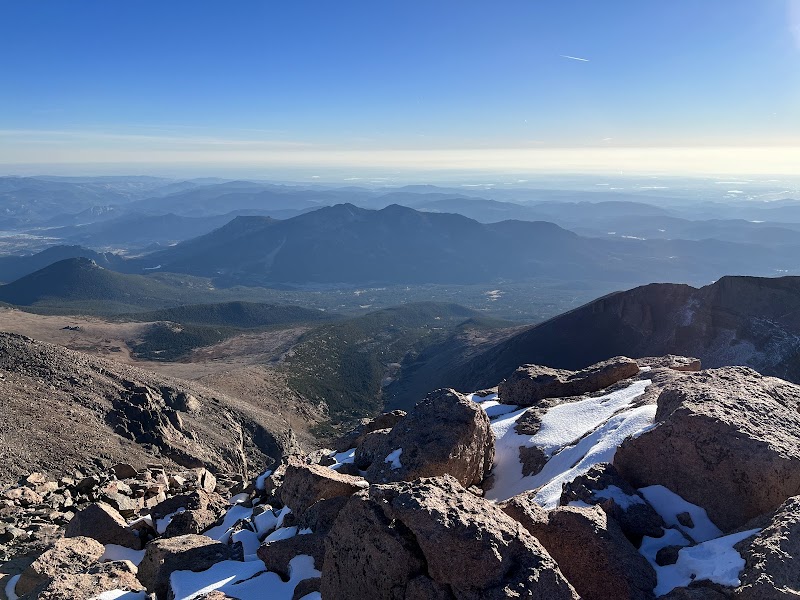
Estes Park arrives like a promise: a small town at the foot of big mountains where the air tastes like rain on granite and the horizon climbs into ridgelines that feel close enough to touch. Walkable downtown streets thread between historic lodgings and outfitters; behind them, Rocky Mountain National Park unspools a catalog of high-country experiences—hiking from subalpine forests to open tundra, casting a line into cold, trout-rich streams, and standing where pikas chirp among boulders. The place reads as a primer of mountain travel, a compact landscape where you can layer activity types in a single day: morning fishing on the Big Thompson or a guided boat tour or boat rental at nearby reservoirs, afternoon climbing or an interpretive walking tour, and a final push up Trail Ridge Road for sunset.
Seasonality shapes everything here. Summer is the most generous time for hiking and water activities, when alpine meadows bloom and Trail Ridge Road rises to panoramic viewpoints. Come fall and the aspens flash gold, drawing photographers and leaf peepers; that’s peak busy but also among the most cinematic times to plan a trip. Winter flips the script—roads close, but winter activities and skiing—not in town but in nearby resorts and backcountry zones—become the draw for snow-hungry travelers who don traction and avalanche gear. Outfitters around town pivot through the year: they run guided hikes, eco tours that explain local geology and wildlife, bike tours and rentals for valley loops, and bus tours for people who want the grandeur of the park without the logistics.
Practicality matters here. Park reservations, timed-entry windows, and Trail Ridge Road conditions change with weather; trout streams rise in spring runoff and mellow by late summer; high-elevation hikes demand layered clothing and an early start for both weather and crowds. Estes Park’s compact service base—lodging options from historic inns to cabins, eateries that refill your packable coffee and sandwiches, and outfitters offering everything from boat rentals to climbing clinics—makes it an easy operational hub. For travelers who crave variety, the town lets you balance mellow and ambitious: an easy lakeside walk or a full-day ridge trek, an afternoon bus tour that teaches the landscape’s history, or a guided climbing session that raises the technical stakes. Use this guide to fold those pieces into a well-planned trip that feels handcrafted rather than hastily scheduled.
Access is a core advantage—Estes Park’s downtown sits minutes from multiple trailheads, and a short drive puts you on high-country roads like Trail Ridge. Outfitters simplify logistics with shuttles, rentals, and guided options across hiking, fishing, climbing, and water activities.
The town’s cultural texture—historic lodges, farm-to-table spots, and seasonal festivals—pairs well with outdoor days. Book lodging early for summer and fall peaks and check park advisories for closures or timed-entry requirements before you go.
Estes Park’s advantage is variety without surrendering the day to long transfers.