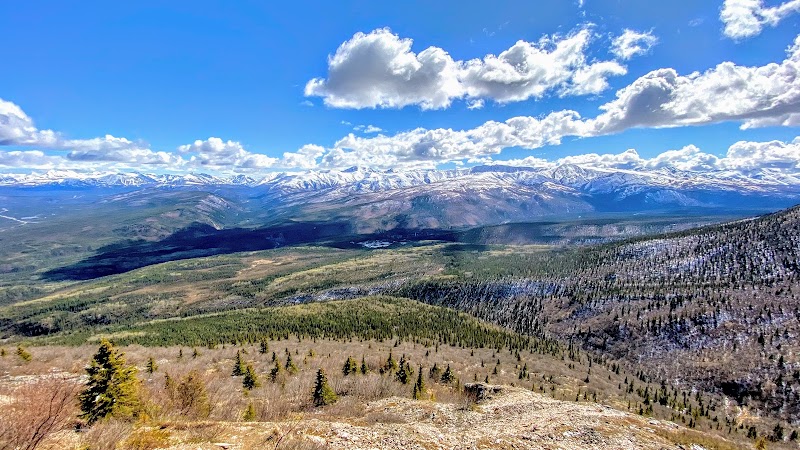
Fairbanks is the kind of place that reframes expectations. In winter, it’s a dark-sky stage—auroras undulate over snowbound ridgelines and rivers, drawing photographers and night-owl travelers alike for Northern Lights tours that begin with a thermos and end in wordless awe. The same town flips in summer: the midnight sun stretches the day into a series of soft golden hours perfect for fishing remote tributaries, lengthening photography sessions, and bus or boat tours that sample the riverine landscape.
More than a seasonal postcard, Fairbanks is a regional crossroads. Lodging ranges from intimate lodges to riverside inns that double as adventure hubs. Outfitters and guides—specialists in dogsled expeditions, snowmobile safaris, eco and wildlife tours—make it possible to scale the learning curve quickly, whether you want to pilot a sled or wade a productive salmon run. For photographers and sightseers, the region’s light is the real asset: winter’s polar blue and auroral greens, summer’s high, honeyed late-afternoon glow.
Cultural and historical textures matter here, too. The city’s gold-rush legacy mixes with Alaska Native history and a contemporary outdoor culture shaped by long winters and short summers. That means practical things—local knowledge about permafrost, seasonal access, and wildlife behavior—are woven into every good trip plan. Newcomers appreciate how compact Fairbanks is; you can switch from a photography tour to an evening dogsled demo or a guided fishing float with minimal transit. For travelers who prize adaptability—switching from hiking to a lodge-based hot-springs soak or from a daytime wildlife outing to a late-night aurora stakeout—Fairbanks rewards curiosity with easy logistics and dramatic payoff.