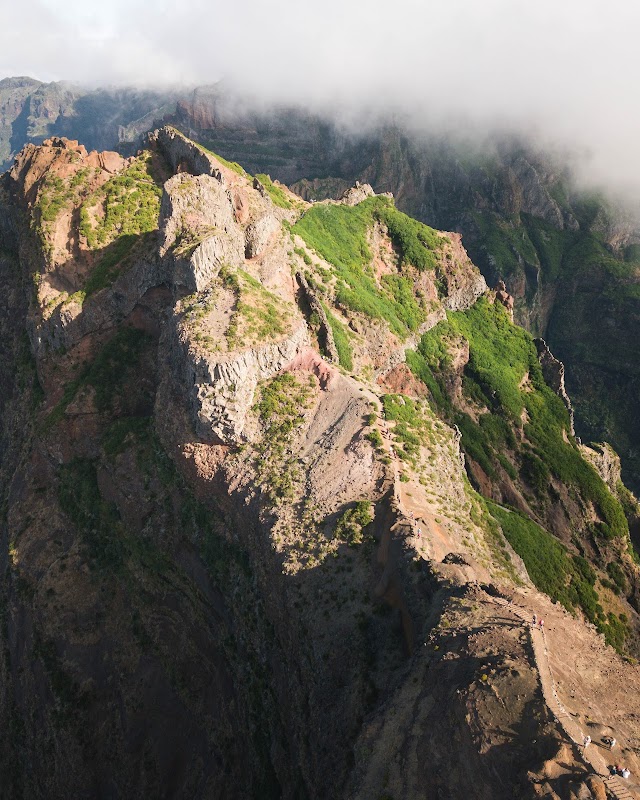
Madeira’s capital, Funchal, feels small only until you start to move. From the harbor the island reads like a compressed atlas: skywalk cliffs, a ring of coastal villages, and a wild interior stitched with levadas—those narrow irrigation channels that double as trail arteries. Walk a levada at first light and you’ll push through a green room of laurel and fern where the air smells of wet stone and peat; go by afternoon and you might return with salt on your skin after a snorkeling session in a basalt cove. The city itself is a convivial counterpoint: a patchwork of markets, terraces and marina cafés where fishermen fold the morning’s catch into plates and street art ripples down alleyways.
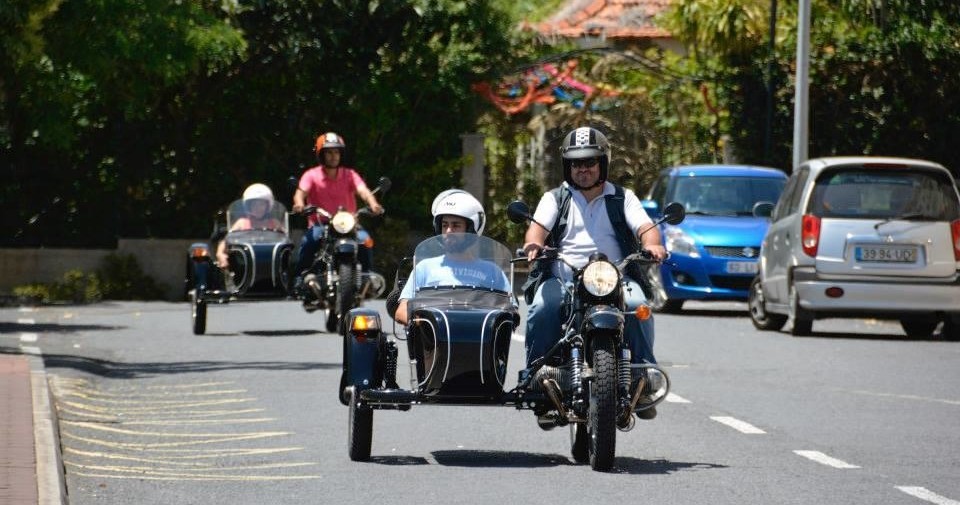
What makes Funchal compelling for travelers is the density of different adventures within short distances. Boat tour operators launch from the marina and, in less than an hour, you can be cruising alongside dolphins, watching whale-watch crews parse the horizon, or anchored in a glassy bay for snorkeling among native fish. On land, a 20–40 minute drive gets you to walking-tour starting points for levada hikes that range from glass-easy to thigh-burning; the Laurisilva forest—Madeira’s UNESCO-protected laurel woodlands—offers a sensory immersion that’s both ecological and historical. For travelers who like to mix modes, one morning might be a guided city-tour and market crawl, an afternoon of water activities like stand-up paddle or snorkeling, and an evening aboard a small sailing trip at sunset.
Practical layers shape the experience here: the island’s microclimates mean that planning a hiking day is as much about route selection as it is about timing. Choose Ponta de São Lourenço for exposed coastal hiking and wind-formed panoramas; opt for levadas near Ribeiro Frio for shaded, cool loops. Surf spots are concentrated on the island’s north shore and need local knowledge for conditions and entry; similarly, some of the more scenic snorkeling coves are accessed by short hikes or small-boat drops. Funchal’s compactness also benefits shorter stays—bus tours and bike tours provide efficient overviews, while eco-tour operators curate responsible whale-watch and coastal-sailing itineraries that double as marine education.
Finally, Funchal’s cultural cadence anchors the adventure. Madeira’s wine lodges and small restaurants offer salt- and sea-flavored menus to refuel after long walks; evenings hum with music and a relaxed nightlife that never outshouts the island’s softness. Whether you’re a casual traveler wanting city- and boat-tour highlights, a family seeking snorkeling and easy levadas, or an experienced hiker chasing ridge lines and surfable swells, Funchal offers an economical, scenic, and eminently reachable basecamp.
Access is deceptively simple: the marina and main bus hub put you within reach of boat tour departures, dolphin and whale-watch excursions, and sailing charters. Rent a car for the most flexibility—especially if you plan to mix hiking in the Laurisilva, coastal walks at Ponta de São Lourenço, and surf sessions on the north coast.
Balance active days with cultural pockets—market mornings, wine-tasting in town, and a sunset sail. Local outfitters offer guided snorkel and diving trips, eco-tour learning on marine life, and surf lessons for beginners; book ahead in high season to secure times and equipment.
Funchal’s advantage is variety without surrendering the day to long transfers.