Why Groton Belongs on Your Adventure Shortlist
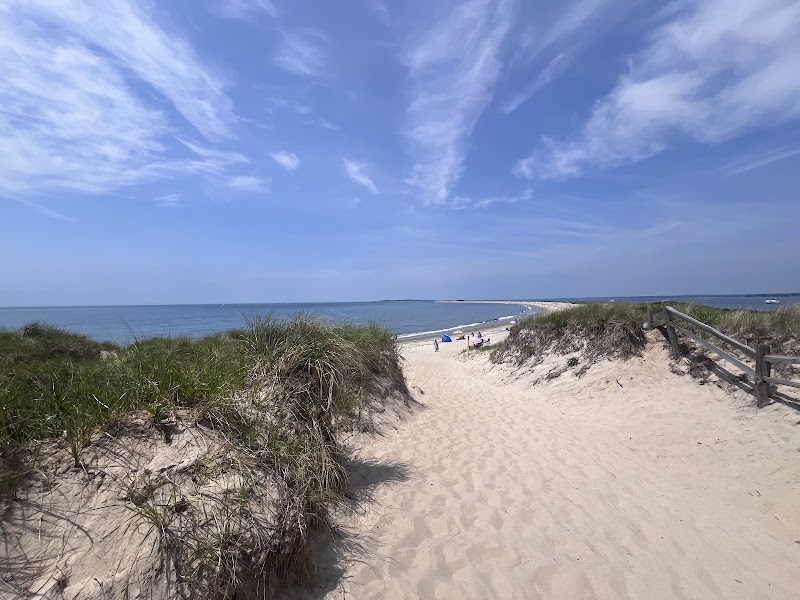
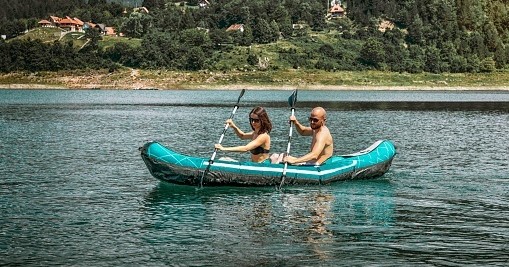
Groton arrives softly at the edge of Long Island Sound: a scatter of boat ramps, a submarine base tucked behind a tidy stretch of waterfront, and villages—Noank, Groton Long Point—whose streets still move at the pace of tides. Here, the water defines the day. Mornings begin with anglers threading bait along the Thames River, afternoons fill with sails carving the sound, and evenings fold into sightseeing tours that trace the navy yards and coastal lighthouses. That maritime cadence means you can stack experiences—an early kayak outing through quiet marsh channels, a midday boat tour past shipyards and islands, then a late-afternoon bike tour along coastal lanes—and still feel like you’ve relaxed as much as you’ve explored.
Because Groton’s strengths are both active and observational, it punches above its size. The Submarine Force Museum anchors a century of naval history; nearby Mystic Seaport and the village of Mystic add museum-steeped context and seafood stops. For people who want to mix motion with meaning, Groton serves it up: fishing mornings where charter captains drop lines for bass and stripers; SUP and kayak outings that track marsh birds and seal sightings; and eco tours that interpret the estuary’s shifting currents. Boat rental options and ferry links make the sound endlessly accessible—if you want to sail, you’ll find options for dinghies, small keelboats, and day-charter sailboats. If you prefer land-based rhythm, bike rentals and walking tours thread the waterfront, village streets, and historic forts so you can pivot from a relaxed city tour to a more active bike tour without rewriting your day.
Practically speaking, Groton is a shoulder-season treasure: late spring and early fall offer sun-washed waters and fewer crowds, while July and August bring the full hum of summer—ferry schedules, boat tours, and sightseeing traffic—but also the best conditions for water activities. The town’s maritime culture also shapes logistics: tides and wind matter more here than altitude and avalanche conditions do in a mountain town. Outfitters will time launches to tidal windows, and local guides lean on weather and current forecasts to plan kayak trips, fishing charters, and sailing lessons. For travelers, that means a small amount of planning yields a disproportionate payoff: consult tide charts for the Thames River and harbor, book boat rental or a charter early for holiday weekends, and pack layers for sudden coastal breezes. The upside is huge—Groton is a place where adventure and story live in the same boat, and nearly every activity—boat tour, fishing, sailing, ferry hop, kayak, SUP, or eco tour—feeds directly into a sense of place that’s as educational as it is invigorating.
Outfitters and marinas in Groton are attuned to short-window days: half-day fishing charters, two-hour kayak trips, and afternoon sailing lessons are common. That makes it easy to shape a flexible itinerary—mix a walking tour of the historic district with a late-afternoon boat rental or an evening ferry ride to watch the sun drop behind the islands.
Groton pairs well with nearby Mystic for a fuller coastal agenda. Use Groton for active water mornings—fishing, kayak, SUP—and Mystic for museum afternoons and dinner. If you arrive by car, the town’s compact layout means you can bench one activity and swap in another without losing a day to transit.
Groton’s advantage is variety without surrendering the day to long transfers.