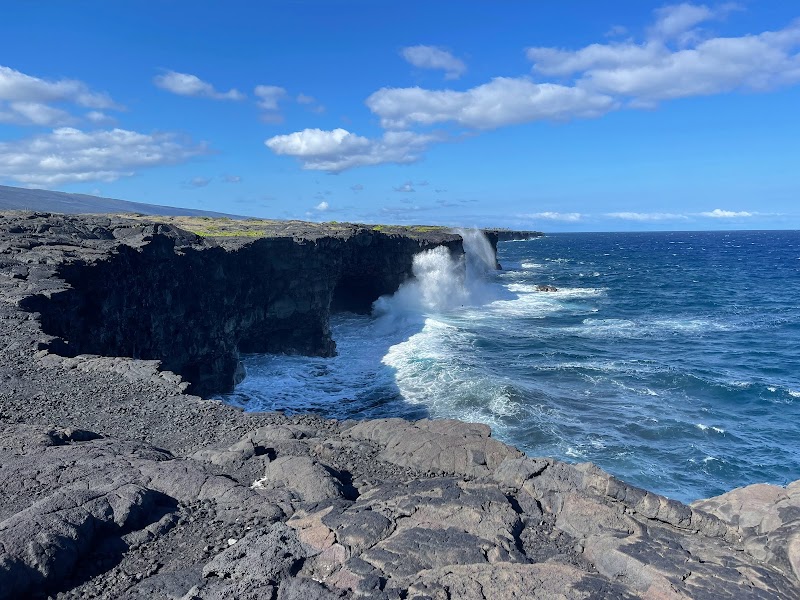
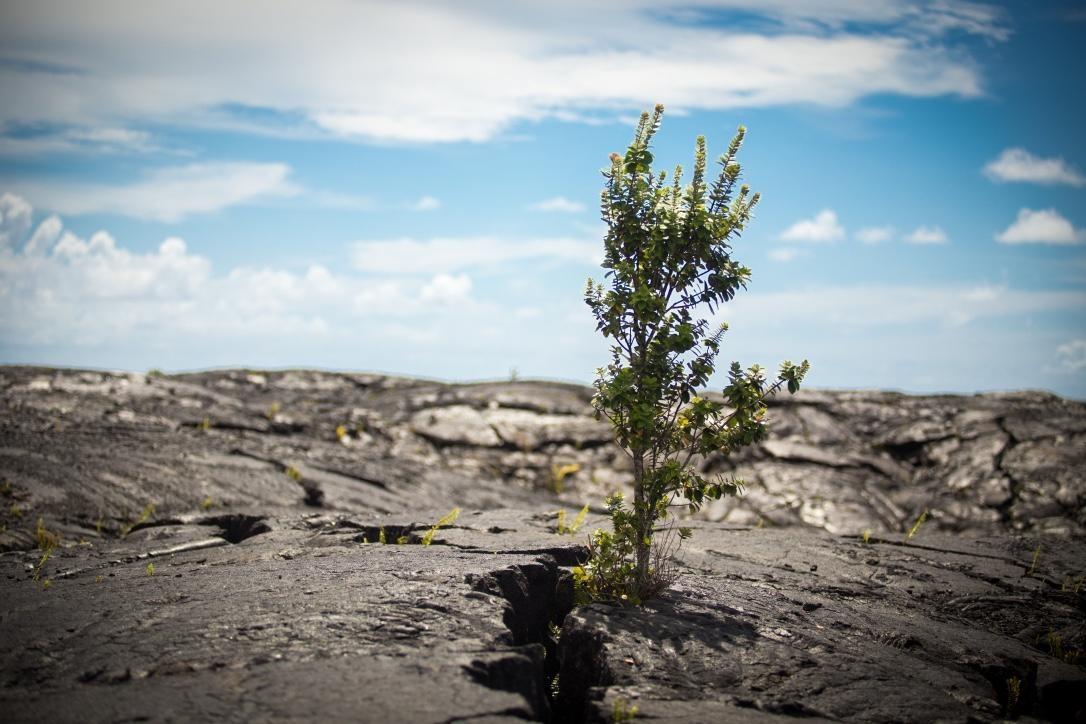
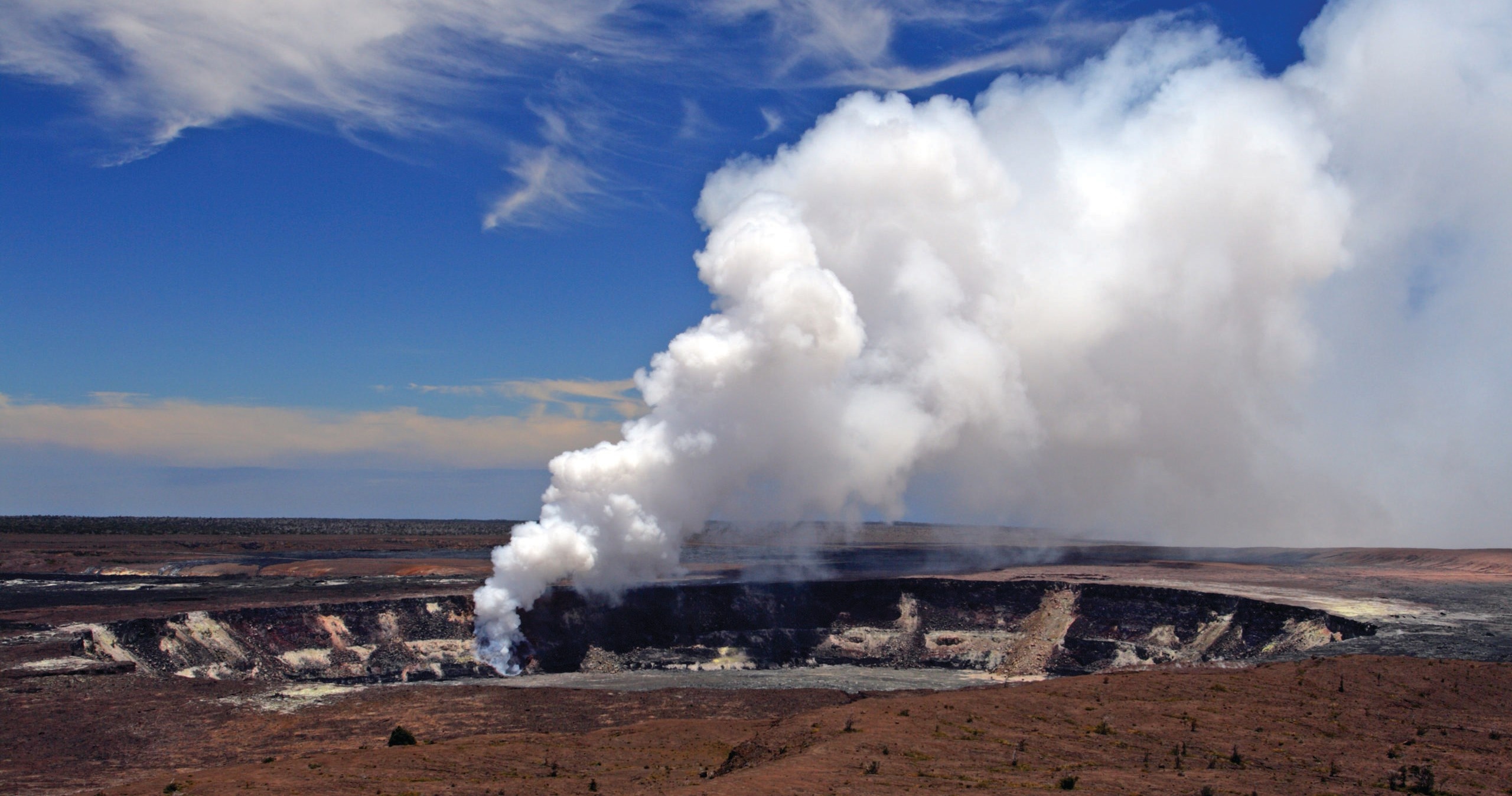
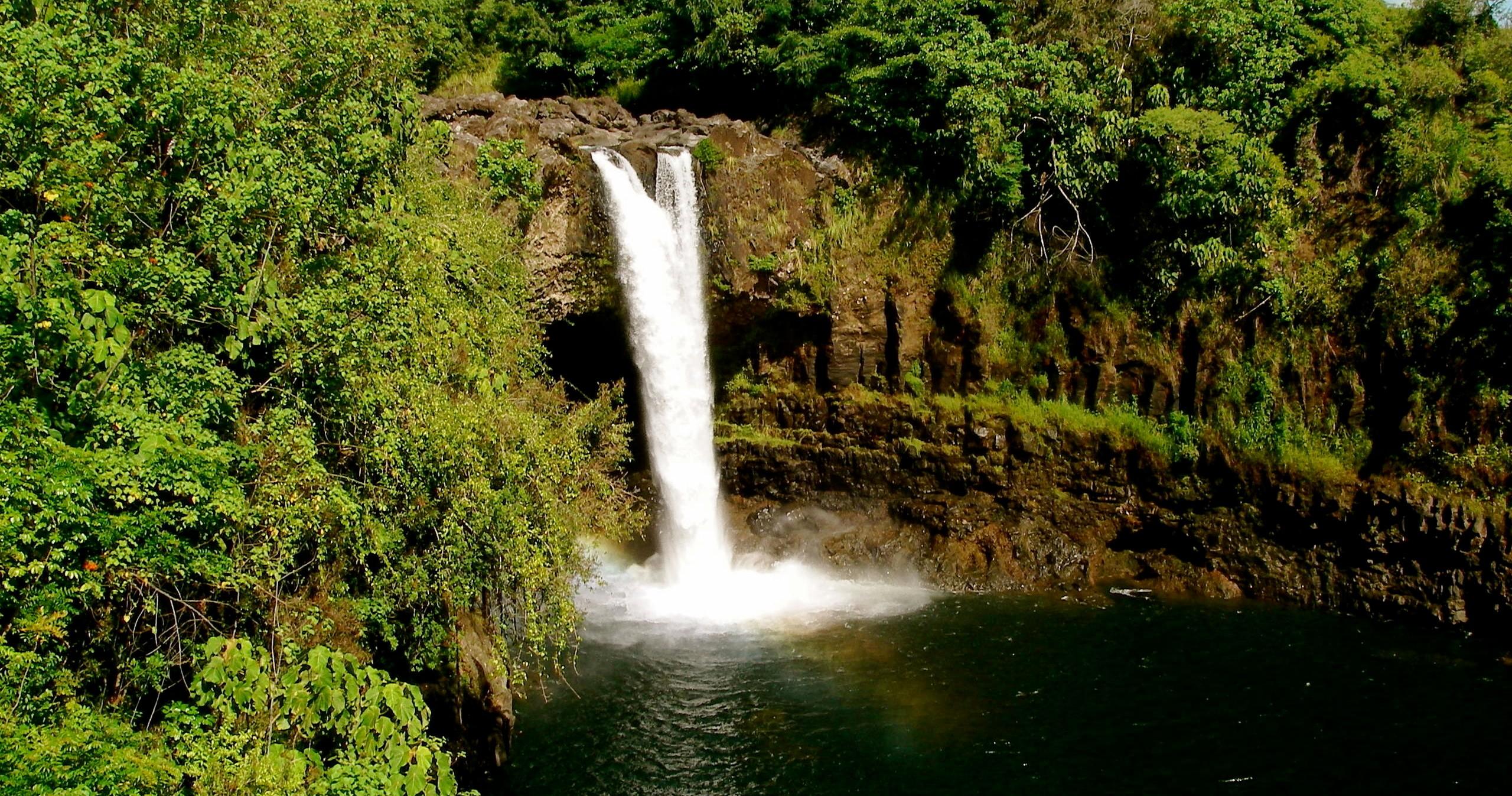
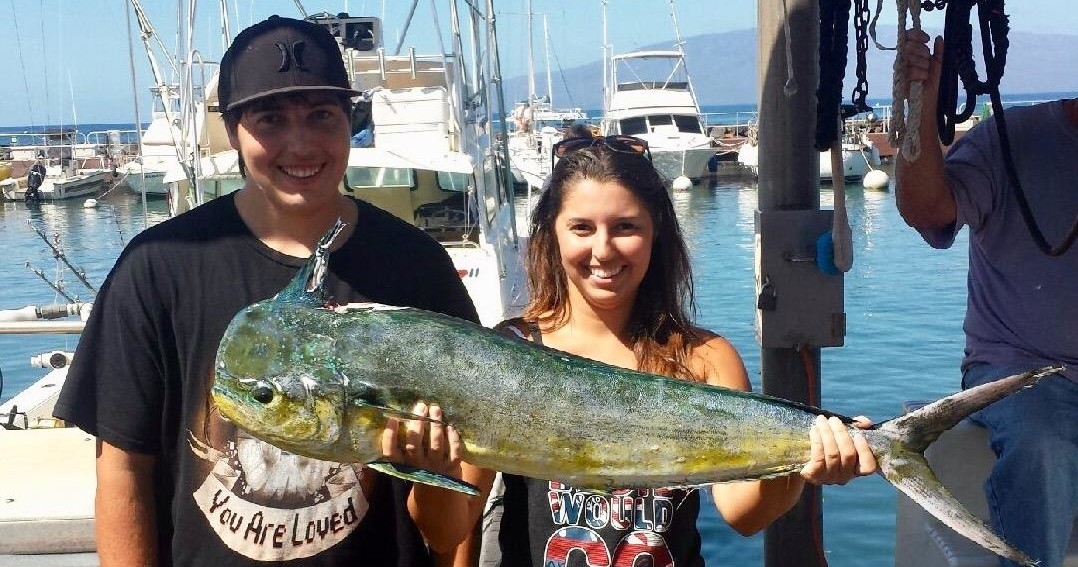
Keaau sits in the shadow of Kīlauea and Mauna Loa, but the everyday drama here is quieter and more immediate than any postcard panorama. Mornings begin in a patchwork of banana farms and guava-thick hedgerows, then open into roads that climb toward steam vents and lava flows where the earth still remembers its molten past. The landscape is a lesson in contrasts: coastal breezes that scent the air with salt and iron, dense fern-lined gullies that hold orchids and the call of ʻŌmao (native birds), and long volcanic ridgelines that frame a sky often braided with trade-wind clouds. That variety is what makes Keaau an efficient base for mixing activities—sightseeing tours that end at crater overlooks, hike-and-snorkel days on the Puna coast, and early-morning photographic runs before the haze arrives.
Practical travelers will appreciate how close services and outfitters are to major trailheads and shore access points. You don’t need to choose between comfort and wilderness: family-run cafes serve up poke bowls and strong coffee near gas stations, local guides offer half-day hiking and snorkeling trips, and small-boat charters leave from Hilo for sunrise whale watching and scuba excursions. Keaau’s lower elevation keeps temperatures mild year-round, meaning micro-adventures—an hour-long waterfall hike followed by a short kayak—are easy to stack. For photographers and nature lovers, the light is generous late into the day; volcanic rock and tropical foliage create high-contrast scenes that reward wide and telephoto work alike.
Cultural context matters here. The land is storied and active; respect for kapa (place) and local signage is essential. Many of the best spots—heiau, tide pools, and coastal trails—are managed with both cultural and ecological protections in mind, and local guides often fold in Hawaiian history and geology into outings. That perspective turns a simple hike into a layered experience: geology, biodiversity, and living tradition in one sweep. For planning, prioritize early starts for popular overlooks and guided trips for technical water activities. Shoulder seasons—spring and fall—offer the most stable surf and calmer winds for kayaking, snorkeling, and scenic flights, while winter brings humpbacks offshore and dramatic cloudscapes for photographers.
Access is one of Keaau’s strongest practical assets: major roads connect to trailheads, boat launches, and coastal lookouts within 30–60 minutes, so you can craft half-day or full-day loops that feel satisfying rather than rushed.
Pair structured outings (guided scuba, eco tours, or volcano-hike led by a ranger) with self-directed activities (short coastal walks, scenic drives, or photography stops) to balance safety, deeper insight, and freeform exploration.
Keaau’s advantage is variety without surrendering the day to long transfers.