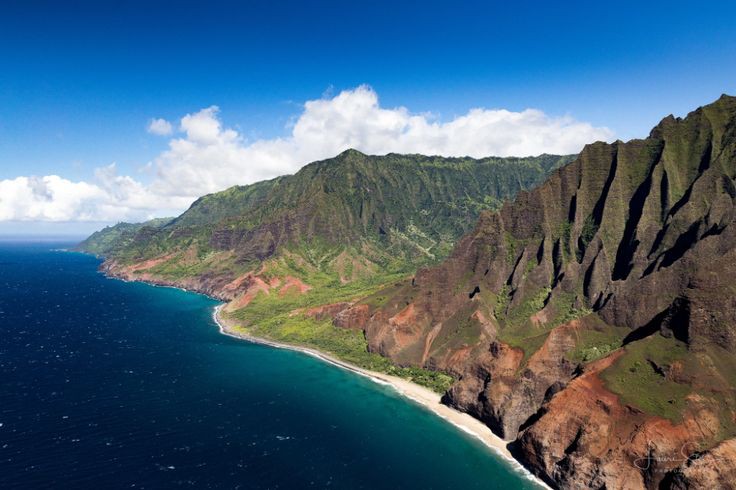
Why Kīlauea Belongs on Your Adventure Shortlist
Kīlauea is not just a stop on a map—it's a tension between fire and water that you can approach by foot, by boat, by mask, and by seatbelt. At the scale of a day you might begin with a sunrise hike across a cooled lava flow, the ground underfoot a patchwork of honeycombed pahoehoe and jagged ʻaʻā; by noon you can be aboard a catamaran watching spinner dolphins carve the bow wave, then slipping into turquoise shallows for a snorkel among reef fish and coral heads. The next morning you can trade fins for a surfboard, chasing reef breaks that teach you how the same ocean that hides fragile coral also sculpts perfect takeoff points. That juxtaposition—raw geology and warm marine life—is what makes Kīlauea so magnetic.
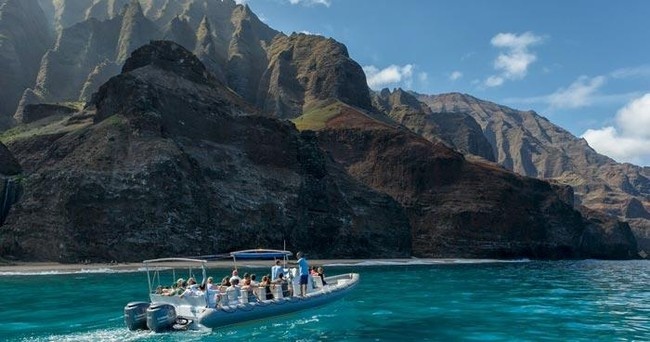
Travelers come for more than spectacle. Boat tours and boat rentals open quiet coastal coves and dramatic sea cliffs; guided sightseeing tours and eco tours thread cultural context through the landscape, explaining how Hawaiian cosmology and geology intertwine. For those who want altitude, air activities—helicopter or ultralight—offer a view that reduces lava flows and coastal plain to the scale of brushstrokes, while whale watch trips between December and April make the ocean feel like a living theater. On land, walking tours and clearly marked hiking routes invite you to slow down and learn the names of plants that return first to new lava, while longer, cross-country hikes reward patience with steam vents and lava tubes.
Practicality sits beside romance here. Surf and scuba are world-class—but conditions change fast; currents, wind, and volcanic haze (vog) can alter visibility and safety. Rentals and guided options make a big difference: a local boat captain knows the swell charts and the reef approach; a certified dive operator knows current windows that give the best chances for sea turtles, reef sharks, and clear visibilities. Hiking requires a sturdy sole—lava fields are unforgiving—and an awareness of closures around active zones. The island's hospitality is built to support this menu of experiences: outfitters for catamaran sails, boat tours that combine whale watching with snorkeling, and eco tours that prioritize low-impact access all exist so you can trade anxiety for expertise.
Finally, Kīlauea rewards layering. Stack a morning hike with an afternoon snorkel, or pair a sunrise helicopter flight with a late-afternoon walking tour that explores cultural sites and coastal ecosystems. Whether you’re chasing surf, scanning for dolphins, logging a whale-watch, or tracing lava’s slow artistry across the land, you’ll find Kīlauea’s mix—Water Activities, Boat Tour, Surf, Snorkel, Scuba, Sightseeing Tour, Boat Rental, Hiking, Catamaran, Walking Tour, Whale Watch, Air Activities, Dolphin encounters, Eco Tour, and Sailing—offers both immediate thrills and quieter, earned moments of wonder.
Access is pragmatic: roads like Chain of Craters Road give you front-row seats to coastal lava and scenic pullouts while park visitor centers decode the geology. Outfitters cluster near coastal towns and park gateways for easy rentals and tours. Because services and conditions can change quickly—closures, vog, or surf advisories—book guided departures for specialized activities like scuba or boat tours during peak windows.
Pair activity with culture: local guides weave Hawaiian history, language, and land stewardship into hikes and tours. Respect seasonal wildlife protections—especially around breeding whales and nesting seabirds—and pack out everything you bring. This attitude keeps fragile reefs and sacred sites vibrant for future visits.
Kīlauea’s advantage is variety without surrendering the day to long transfers.