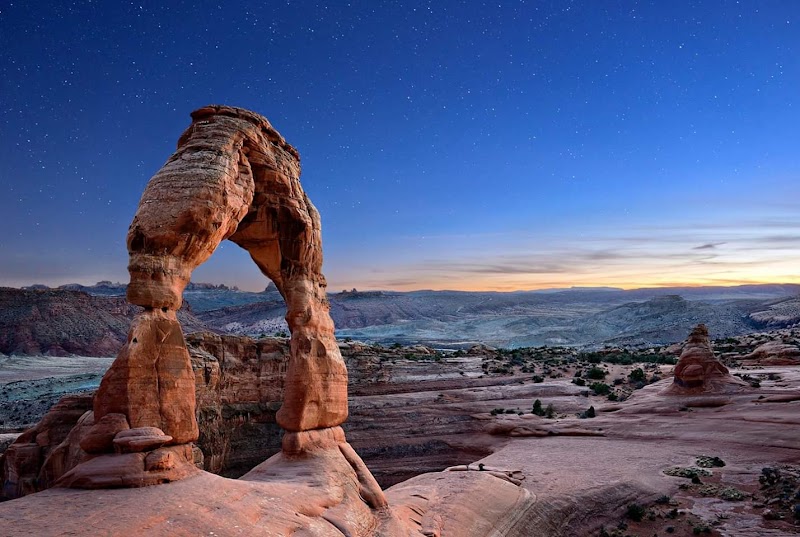
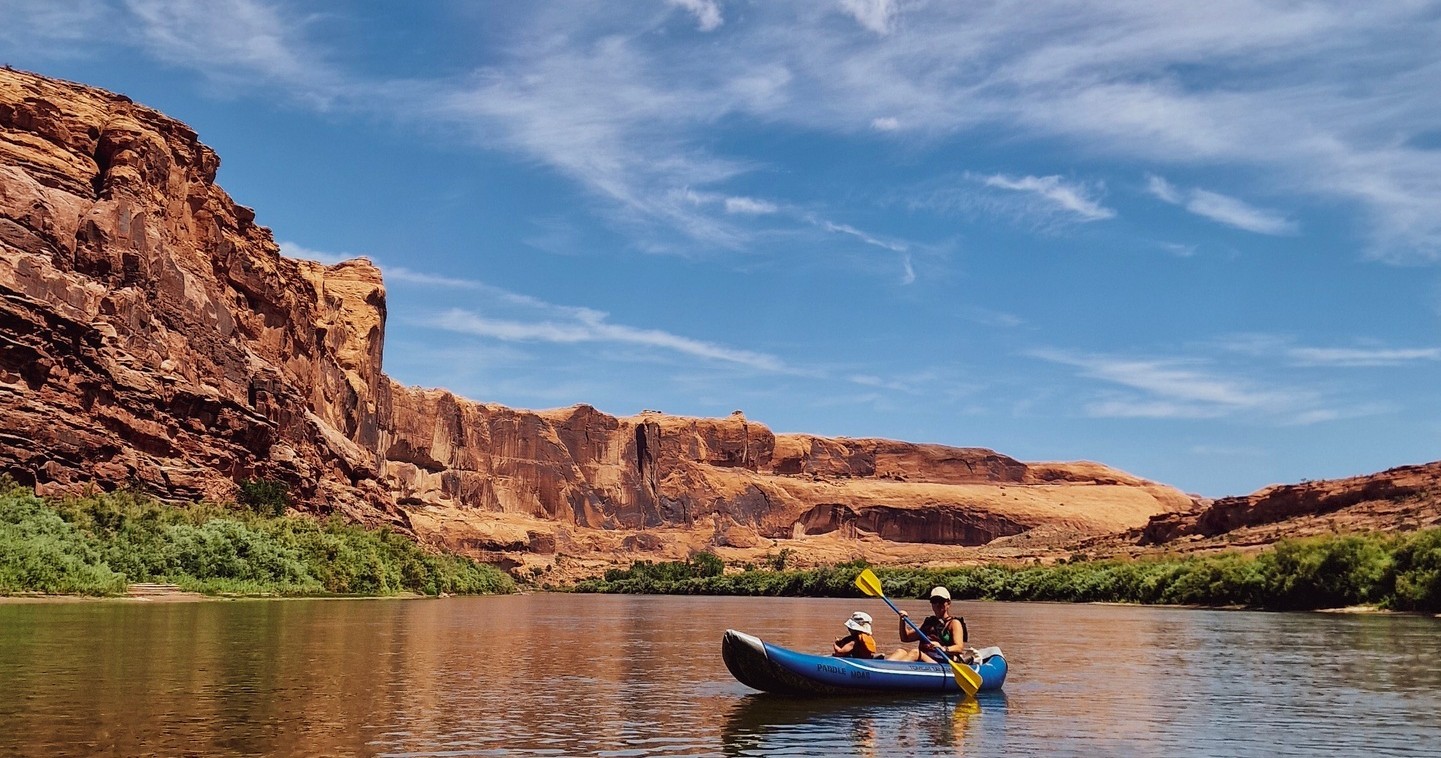
Moab is a place where the map and the body converge. Travel here and you trade suburban geometry for sandstone geometry—arches that frame the sky, cliffs that fall away into canyons, slickrock that rolls like the back of an ocean frozen by time. The town itself is a brief, functional hub: outfitters, fuel, a scattering of cafes and guides who know the trail systems by heart. But what travelers come for are the landscapes shaped by wind and water, and the activities those landscapes enable. Whether you show up with a rack of climbing gear, a daypack for a canyon rim hike, a bike rental and a sense of optimism, or a paddleboard, the land answers with a discipline: read the route, respect the exposure, and plan for heat and sun.
Historically, this basin has long been home to Indigenous peoples and later ranchers, miners, and river runners; each era left traces—petroglyph panels, faint dirt roads, and stories told at trailheads. The modern outdoor industry built around Moab began in earnest with mountain biking and river guiding, and today you can swap between pursuits in a single day: a morning climb, an afternoon mountain bike ride across slickrock, an evening photography tour at a golden light overlook. That mix is why Moab ranks high on many adventure lists. It’s not only the quantity of activities—climbing, hiking, e-bike cruises, ATV/UTV expeditions, raft and kayak access—but also the clarity of the setting. The desert’s thin air sharpens panoramas, and the long shoulder seasons gift cooler temperatures and thin crowds. For planners: book guided technical outings (rock climbing, whitewater rafting) in advance, pack sun protection and hydration systems, and schedule the busiest sites—Arches main draws and Island in the Sky overlooks—outside mid-day if you can.