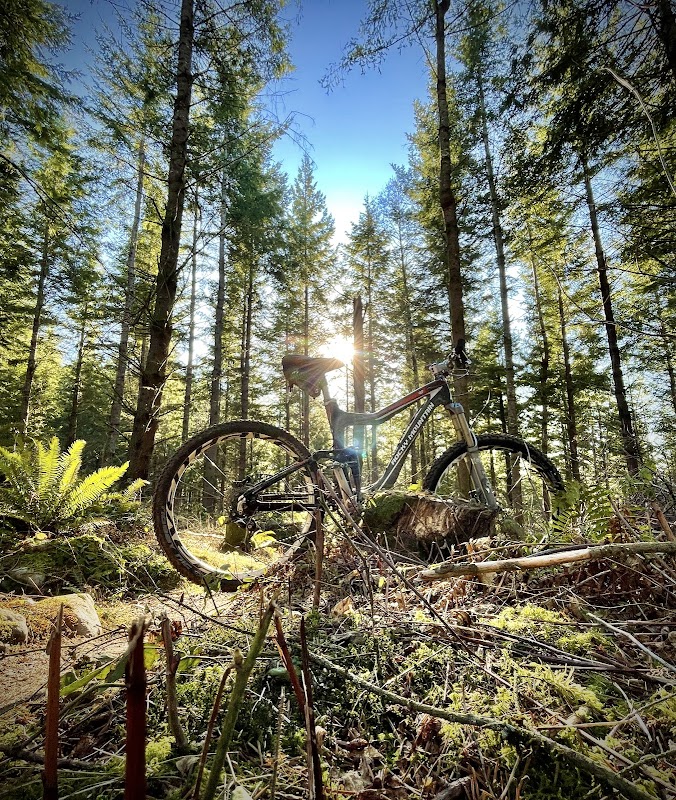
Nestled where river silt fans into the Salish Sea, Mount Vernon reads like an invitation to slow your pace and widen your senses. In spring the valley is a mapped mosaic of tulip fields, a season that brings photographers and day-trippers; move a little farther from the bulbs and you’ll find a quieter rhythm: brackish marshes that hum with birds, tidal mudflats threaded by creeks, and channels that are impossibly easy to explore by kayak or canoe. That accessibility defines the place. A short drive from downtown and you can swap a walking tour of historic streets for a shoreline paddle, a bike rental and an easy pedaled loop, or a boat tour that follows arcing shorelines and reveals migrating flocks.
This is not a place of extreme verticals or alpine drama; it’s a landscape of edges—water meeting land, salt meeting sweet river, cultivated fields meeting wild reserve—and those edges are where the best adventures live. Water activities dominate local recommendations because the geography rewards them: low tides expose mudflats where shorebirds forage, high tides open channels for SUP and kayak exploration, and calmer bays host beginner-friendly paddles. Outfitters and boat rental services make it straightforward to try a morning kayak, an afternoon SUP, or a guided eco tour that highlights both wildlife and the region’s environmental attractions. For people who love a practical plan, the town’s rental economy—bike rental, boat rental, and guided kayak tours—lets you patch together a day of varied motion without hauling gear.
Culture and conservation sit alongside recreation. Padilla Bay and other environmental attractions host interpretive trails and visitor centers where you can learn about estuary ecology and regional restoration work. Wildlife lovers come for brisk, reliable sightings: shorebirds at low tide, eagles over the river, and seasonal marine traffic offshore. For route-minded travelers, recommended itineraries string together short hikes, walking tours of downtown architecture and markets, and late-afternoon sailing or boat tours that end with sunset on the water. In practice, Mount Vernon rewards travelers who plan a flexible day: start with a tulip-field sunrise or a village coffee, switch to a kayak or canoe for tide-window exploration, and close with a bike tour or walking tour through neighborhoods and riverfront parks. The mix feels intentional: relaxed, replenishing, and deeply doable for beginners while still satisfying for people chasing wildlife, paddling miles, or pairing eco-tour learning with a salt-spray afternoon.
Practical access is Mount Vernon’s advantage. Rental shops for kayaks, SUPs, canoes, and bikes are concentrated near town and along put-in points, so you can arrive unencumbered and still cover water, road, and trail in one day. Guided boat tours and eco tours provide context—local naturalists narrate bird migrations and estuary dynamics—making them a good choice for first-time paddlers or families.
Seasonality matters but rarely forbids. Spring is the visitation peak for tulips and festivals; summer brings the warmest water and calmest paddling windows; fall narrows crowds while offering clear air for walking tours and wildlife viewing. Winter days are quieter, and while some water activities are weather-dependent, many walking and short hikes remain passable when conditions are checked in advance.
Mount Vernon’s advantage is variety without surrendering the day to long transfers.