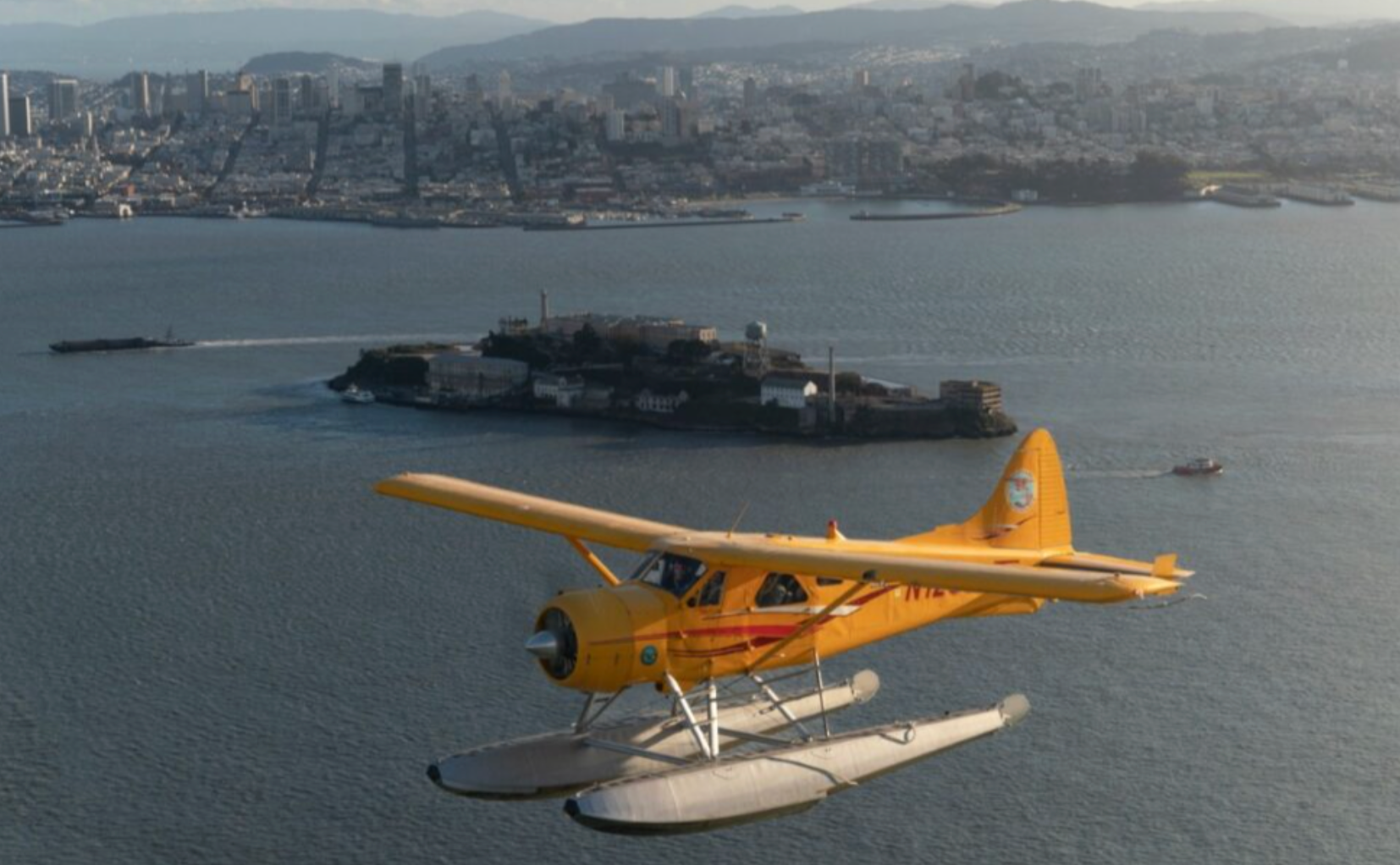
Richmond occupies a narrow, stubborn edge where the city meets the bay — a place of shipyards and salt flats, industrial silhouettes and quiet tide channels. For travelers who like their adventures pragmatic and photo-ready, Richmond delivers a mashup of water activities and urban textures that feels both accessible and refreshingly local. At first light the water shimmying against Richmond’s bulkheads is a mirror for kayaks and SUPs; later, e-bikes hum along the shoreline path past marinas and restored parkland. Boat tours and ferries thread the harbor, connecting you to wider Bay routes while offering close-up views of the East Bay shoreline and the layered history of shipbuilding that animated Richmond during the 20th century. Walking tours through Point Richmond and the Rosie the Riveter National Historical Park transform industrial ruins into narrative landscapes, revealing how work, migration, and wartime industry shaped the community. In practice, that means an itinerary can compress easily into a long morning and relaxed afternoon: dawn paddle in the protected inlets, a mid-morning bike rental for a loop through Marina Bay, and a ferry or sightseeing boat ride at golden hour for a compressed Bay skyline experience. Richmond’s strength is its flexibility. Families, day-trippers from the city, and seasoned outdoor travelers all find opportunities here—city tours and bus tours for a relaxed cultural primer; kayaking and sailing for a salt-spray reset; and e-bike rentals for riders who want more ground covered with less sweat. Outfitters and rental shops cluster near launch points, so logistics rarely become the adventure’s limiter. Bring sensible footwear and layers, plan for bay breezes, and leave room for a brewery stop or two—Point Richmond’s compact downtown and the waterfront’s evolving food scene make good bookends to a day on the water. The true payoff is how the place rewards modest effort: a short kayak paddle can deliver seals bobbing near a marina, while an afternoon boat rental turns the city’s industrial shore into a cinematic backdrop for a reverent sunset. The terrain is forgiving but real: tides, wind, and shipping traffic ask for situational awareness and, for some activities like sailing or open-bay kayaking, a guide or local intel. Whether you come for a day or use Richmond as a jump-off for broader Bay exploration, you’ll leave with a sense that this is a working coast that doubles as an accessible outdoor stage—where water activities, boat tours, bike rentals, and walking tours blend into an easy, actionable itinerary.
Richmond’s urban-to-wild gradient is uniquely useful: within minutes of the marina you can find tidal marshes ideal for birding and sheltered paddles, and a few miles inland a collection of neighborhoods holds cafés, craft beer, and history-focused walking routes. Outfitters and community organizations run guided kayak tours and interpretive walks, making it straightforward to layer guided experiences into a self-directed day.
Practical access is one of Richmond’s quiet advantages. Ferry and bus connections link to the wider Bay Area, bike paths and dedicated launch points keep transitions short, and parking at main trailheads and marinas is generally easier than in pricier waterfront towns. For visitors who favor short transit windows and high-value experiences, Richmond is efficient without feeling manufactured.
Richmond’s advantage is variety without surrendering the day to long transfers.