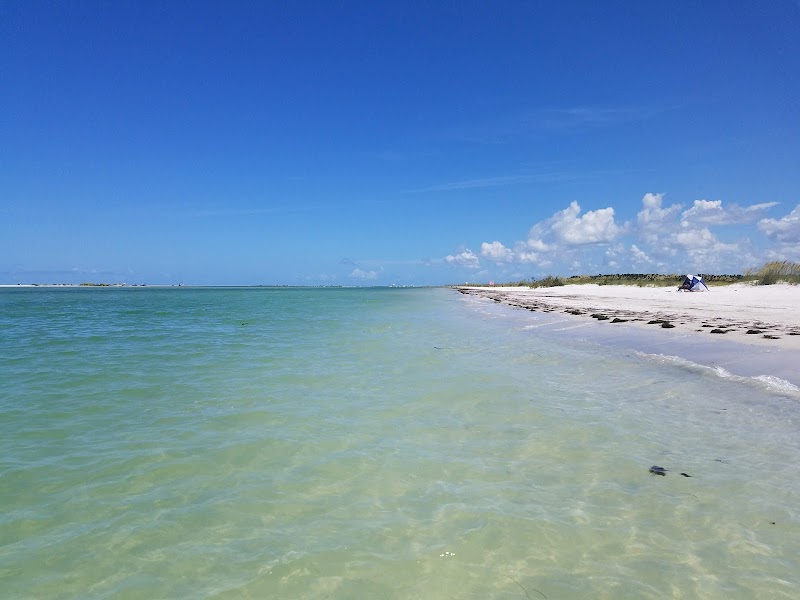
St. Petersburg is the kind of coastal city that rewards curiosity: a compact downtown that opens onto wide blue water, a string of barrier islands that frame the gulf, and a marina culture that makes boats feel as normal as bikes. The most immediate draw is the water—Tampa Bay’s calm, shallow geometry creates reliable conditions for paddle sports, snorkeling in clear seagrass flats, and relaxed boat tours where dolphin pods and wading birds often play supporting roles. On any given morning you can launch a kayak from a municipal ramp, cross a glassy inlet toward a mangrove tunnel, and return in time for a late-morning coffee on a sun-swept patio. That accessibility—short drives, plentiful outfitters, and public put-ins—lets you build itineraries that mix low-effort bliss (beach time at St. Pete Beach or Fort De Soto) with more deliberate outings (kayak eco-tours through mangroves or a half-day sail in the Gulf).
Beyond the shore, St. Petersburg’s cultural life gives your outdoor days gravity. The Salvador Dalí Museum anchors a lively arts district; waterfront promenades and bike-friendly lanes thread neighborhoods and parks; and the city’s festival calendar, from seafood and music to outdoor markets, often syncs with prime weather windows. The practical advantage here is simplicity: rentals for bikes, SUPs, jet skis, and small boats are plentiful and often competitively priced, so you can pivot from a city tour to a fishing charter without overplanning. For families and first-time paddlers, sheltered bays and gentle currents reduce the learning curve. For anglers and sailors, the varied habitats—nearshore reefs, passes, and deeper bay waters—create real diversity in a compact area.
St. Petersburg is also a seasonally savvy destination. Winter and spring deliver the most comfortable temperatures for long days outside and concentrate visiting crowds, while summer invites bargain rates and afternoon storms that usually pass quickly. Ecologically, the region supports distinctive coastal habitats—mangroves, seagrass beds, and nearshore reef structures—so wildlife viewing is a through-line on many activities: dolphin encounters on boat tours, shorebird watching at Fort De Soto, and turtle nesting season along gulf beaches. Practical planning matters: check wind forecasts before a SUP or kayak outing, reserve guided fishing or sailing charters for peak-season weekends, and consider guided eco-tours if you want targeted wildlife viewing without the trial-and-error. The result is a place where soft adventure and soft luxury coexist—salt on your skin, culture at your doorstep, and flexible access to the marine playground that defines the Sunshine City.