Why Waialua Belongs on Your Adventure Shortlist
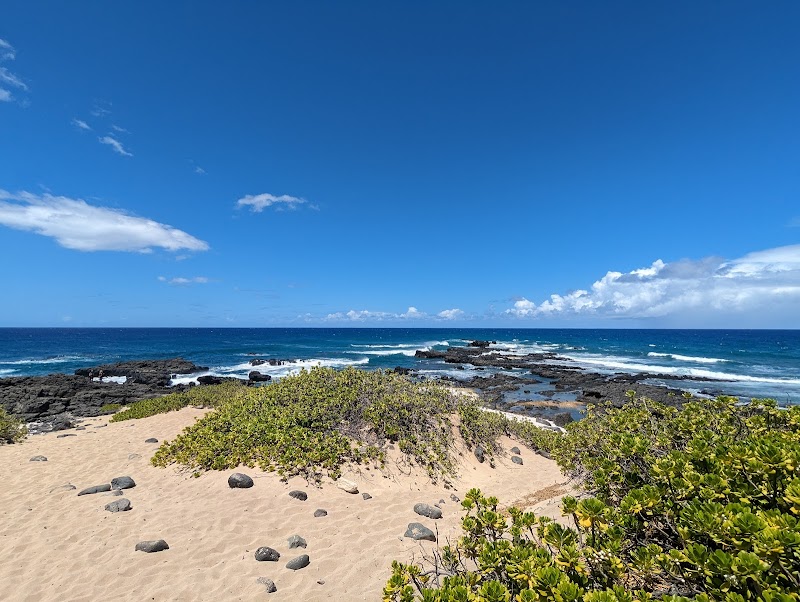
Waialua sits at the quieter western edge of Oʻahu’s famed North Shore, a place where the island's surf mythology is balanced by reef flats, quiet fishing coves, and pockets of agricultural history. Walk through the town and you'll find the ghost of the sugar plantation era in old warehouses and packing sheds, but look seaward and the story is all current and light: turquoise shallows for snorkeling and SUP sessions, offshore reefs that shelter diving sites, and open water that invites sailing, boat tours, and private boat rentals. For photographers, Waialua’s coastline is a study in contrasts—wind-sculpted surf lines in winter, glassy morning bays in summer, and golden hour that softens lava rock and coconut palms alike. The town acts as a hinge between active, crowd-drawing spots like Haleʻiwa and the quieter strands beyond Kaʻena Point, making it an ideal base for mixing guided experiences—eco tours and whale watch trips—with self-directed days on the water or along coastal lanes.
Practicality is baked into the place: outfitters and small operators operate seasonally, offering everything from beginner-friendly SUP and snorkel outings to guided scuba and photography tours that lean into the North Shore’s wildlife—dolphins that drop by in calm seas, green sea turtles that graze reef flats, and humpback whales in the winter months. Boat tours and sailing charters often double as sighting platforms and mobile photography blinds; they’re also the gateway to quieter snorkeling spots unreachable from shore. Land-based options are equally varied. Sightseeing tours and bus tours highlight cultural points, local farms, and roadside shrimp trucks, while eco tours focus on restoration projects and native habitats near Kaʻena Point and adjacent coastal reserves.
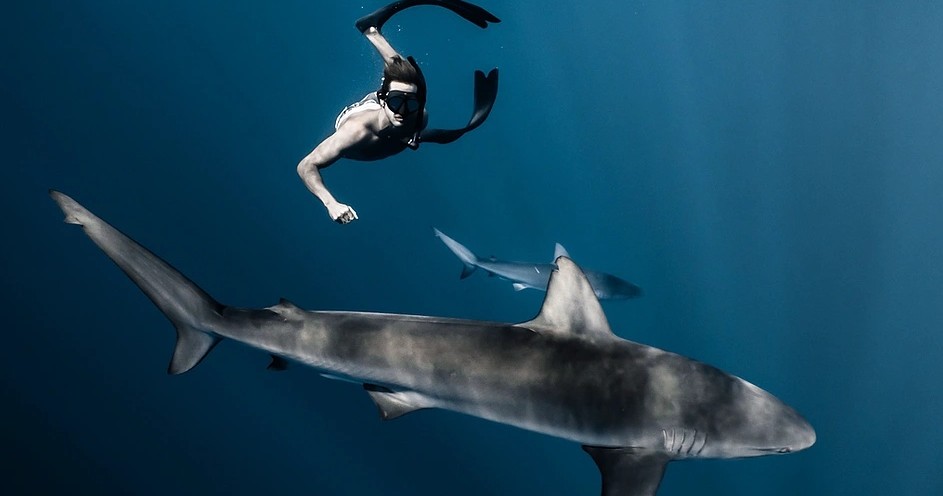
For planners: match the activity to the season. Surf peaks in winter—watch the waves, but seek lessons or guided surf trips if you're new. Snorkel, SUP, and casual sailing are best in the shoulder and summer months when reefs are calmer. Dive operators schedule trips based on visibility and swell; advanced scuba and freediving sessions are typically led by experienced local guides. Boat rental gives you autonomy but requires respect for reef maps, marine protected areas, and local no-approach rules for wildlife. Whatever you choose, pack reef-safe sunscreen, a light wind layer for offshore mornings, and a healthy respect for changing ocean conditions. Waialua is not about one big attraction; it’s a stackable place—combine a morning snorkel, an afternoon photography tour, and an evening shoreline stroll for a day that tastes like the place: quiet, salty, and rich with stories.
Access is straightforward from Honolulu along Farrington Highway; parking at popular boat launches and beach parks fills by mid-morning, so early starts pay off. Outfitters in town and in nearby Haleʻiwa offer gear, lessons, and guided options—book whale watch and boat tours in advance during winter months.
Respect for local culture and the reef matters: use reef-safe sunscreen, do not touch or feed wildlife, and follow guidance from eco tours and park signage. Conservation-minded activities—photography tours with a focus on habitat protection, eco tours that support restoration, and low-impact sailing—are common and easy to find.
Waialua’s advantage is variety without surrendering the day to long transfers.