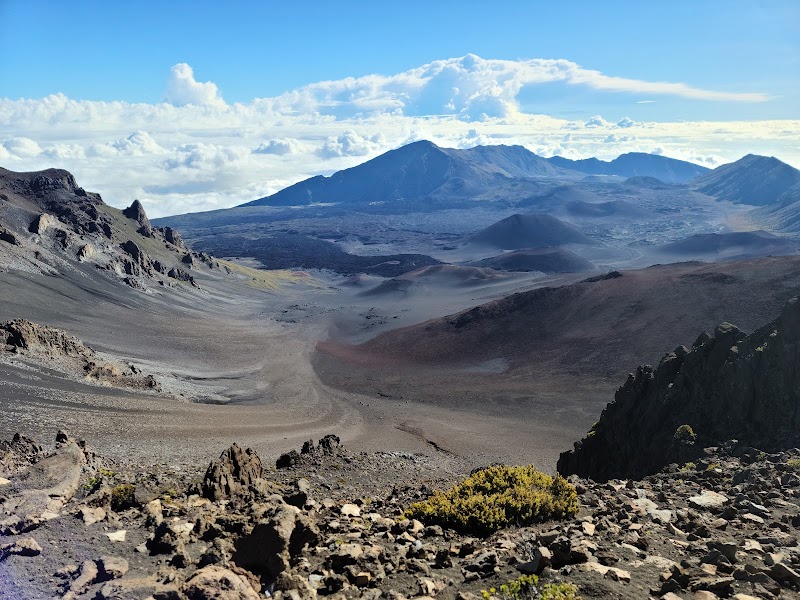
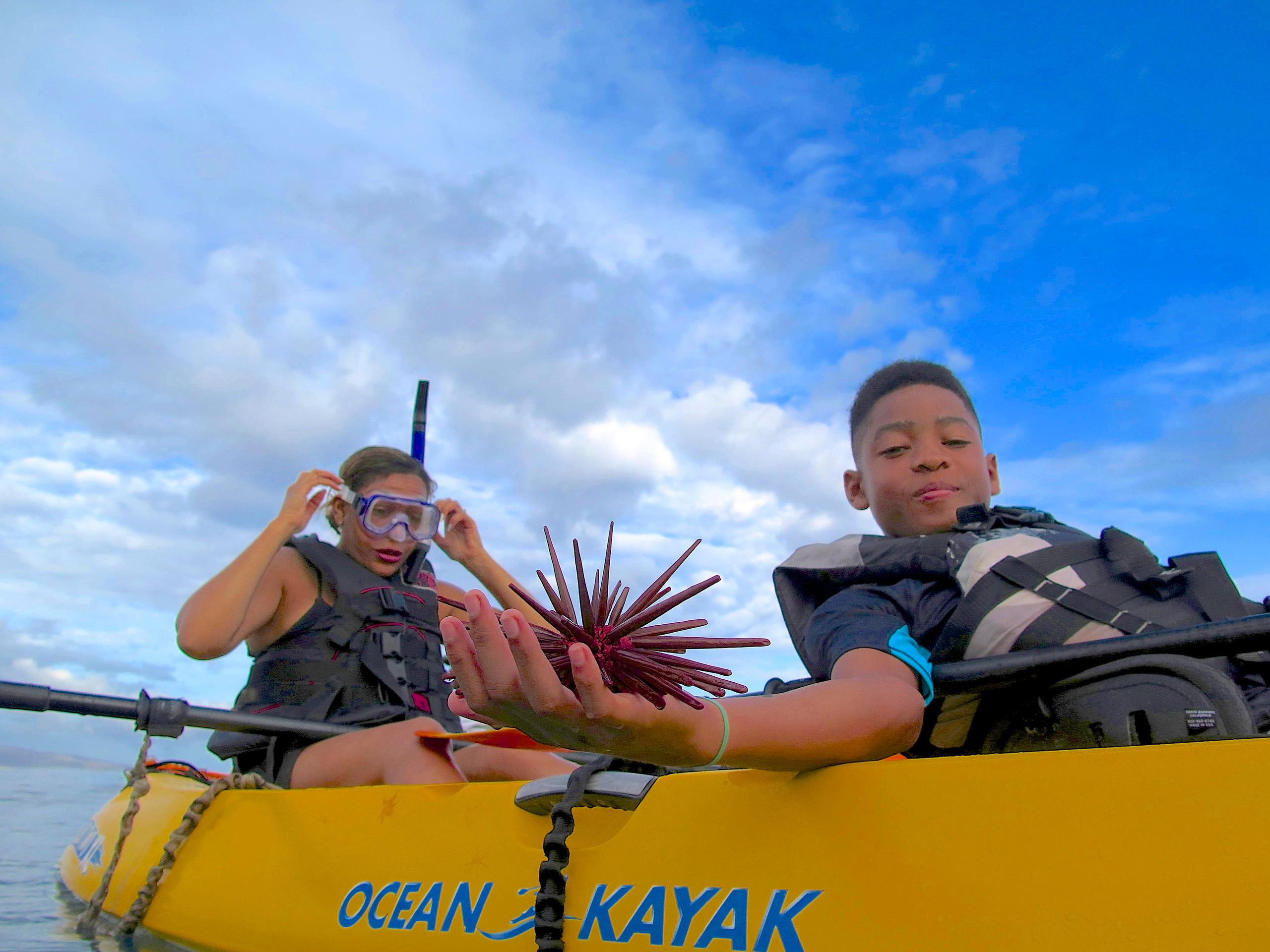
Wailea arrives like a promise: sugar-white beaches hemmed by coral gardens, a slow coastal walk that invites sunrise ritual, and a lagoonal calm that makes complex ocean sports feel inviting. This is a place where itinerary ambitions—snorkel trips that thread the reef, a morning kayak past hidden coves, and an afternoon on a sailing charter—are all within reach of a single basecamp. Water activities dominate for good reason. The reef systems here create sheltered pockets for SUP and snorkeling, and they shelter a network of wildlife viewing opportunities where spinner dolphins and, in season, migrating humpbacks become the day's headline act. Beyond the water, Wailea's lava fields and coastal greenways feed short hikes and photography tour stops: every cinder cone and coastal bluff is a frame-ready composition for landscape photographers and travelers who favor slow, purposeful exploration.
The practical charm of Wailea is its adjacency. A boat tour that launches before breakfast can return by midday, leaving time for a snorkeling session off Molokini or a guided scuba dive for certified divers who want to go deeper. Eco tours lead conversations about native vegetation, coral resilience, and the history of Hawaiian voyaging—a cultural layer that elevates sightseeing tours into meaningful context. Even surf lovers find friendly conditions: sheltered breaks for learners and reef passes for more experienced riders close enough for a short transfer. If you want to layer experiences—kayak to a snorkeling mooring, then hop a sailing trip that turns into a whale watch at dusk—Wailea lets you arrange that day rhythm without long drives.
Pragmatically, timing matters. Winter months bring larger swell to West-facing exposures and the spectacle of whale watching; shoulder seasons yield clearer water for snorkeling and sparser crowds. Outfitters in Wailea are experienced and plentiful: they rent kayaks and SUPs, run guided snorkel and scuba outings, operate photography tours and eco tours, and staff whale-watch and dolphin excursions. For travelers, that means more choices and better options for matching skill level to experience—novice paddlers can find calm sheltered bays while intermediate kayakers and surfers can seek out the passable surf lines. Bring reef-safe sunscreen, plan bookings for whale-watch and Molokini trips well in advance during peak months, and favor early-morning departures when water clarity and light are at their best.
Wailea’s coastline is compact but rich: take the Wailea Beach Walk for a connected string of beaches and resort access points, then branch off to guided kayak tours that tuck into coves and lava-formed tidepools. Boat tours and sailing charters offer a different rhythm—less intimate than a paddle, but expansive, with opportunities for snorkeling stops and sunset vantage points.
The hiking and bike options here are short and scenic rather than alpine endeavors: coastal trail strolls, low-elevation ridge walks, and bike tours of South Maui’s pastoral roads. Those seeking quieter nature moments should consider eco tours and photography tours that focus on the island’s natural history and marine life, especially during seabird nesting and the whale migration window.
Wailea’s advantage is variety without surrendering the day to long transfers.