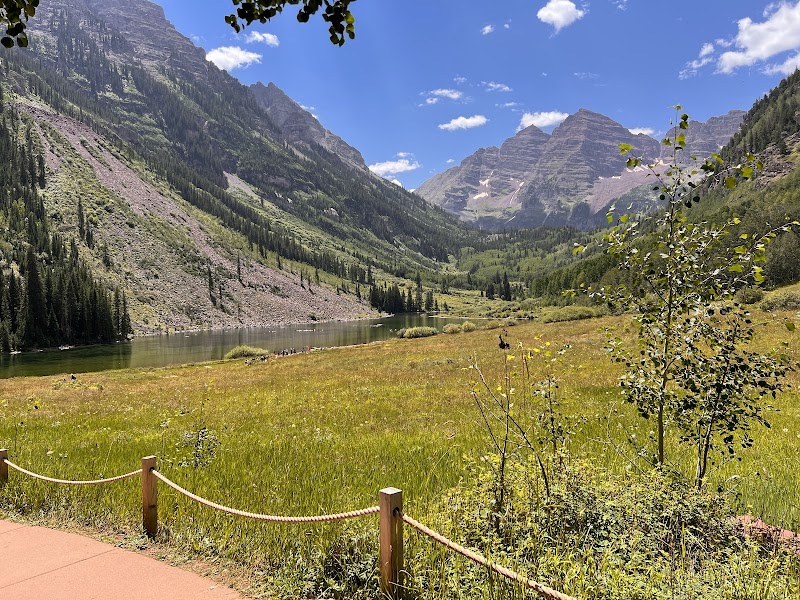
Wind a road over Berthoud Pass and Winter Park arrives like an alpine promise: open skies, tundra grasses dusted with wildflowers in summer, and avalanche-sculpted cornices in winter. The town’s passport is its variety. Lift-served terrain at Winter Park Resort and Mary Jane satisfies skiers and snowboarders looking for steep laps and tight glades; those same lifts become access points to high summer trails, where hikers can stitch together ridge walks and wildflower bowls without a long approach.
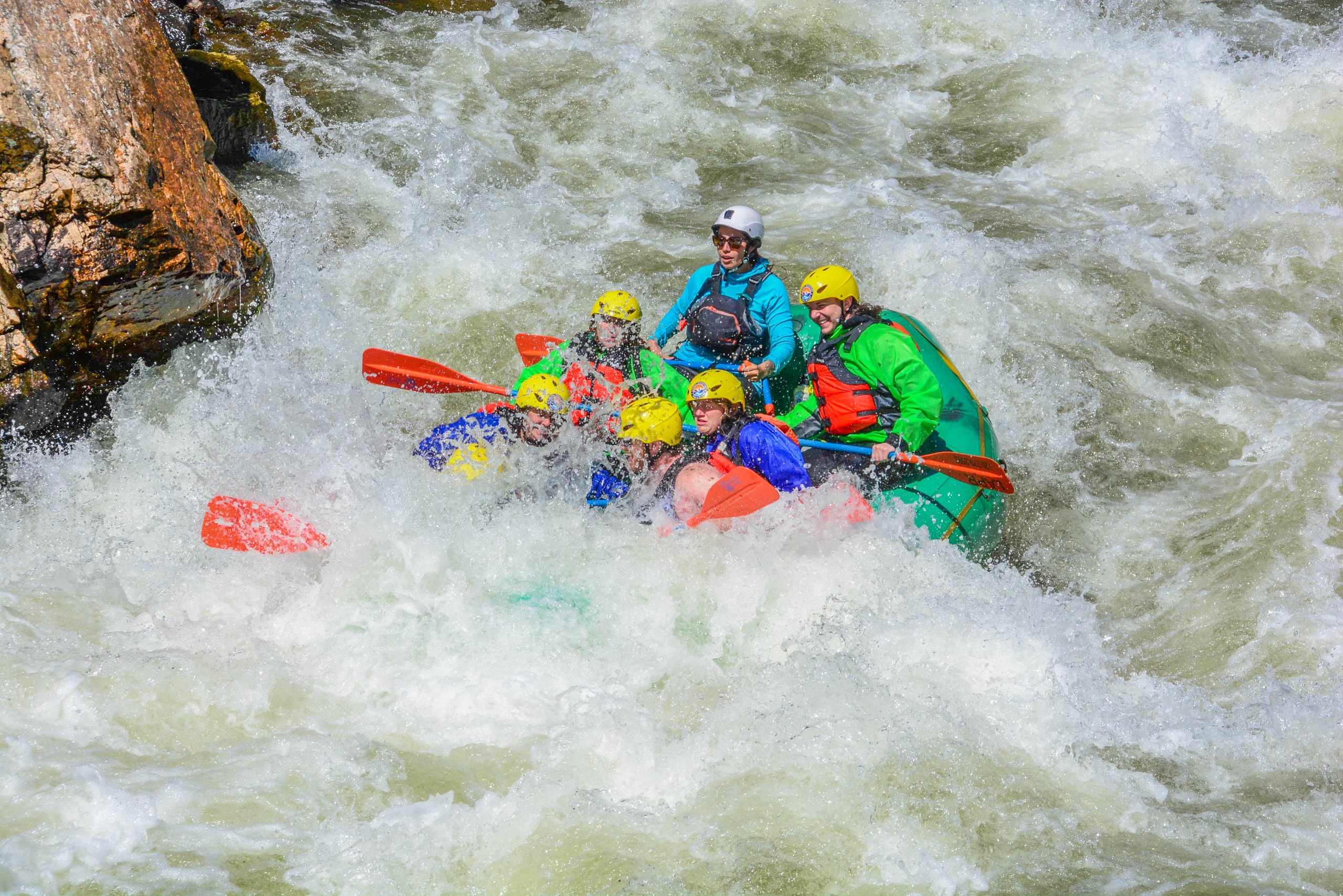
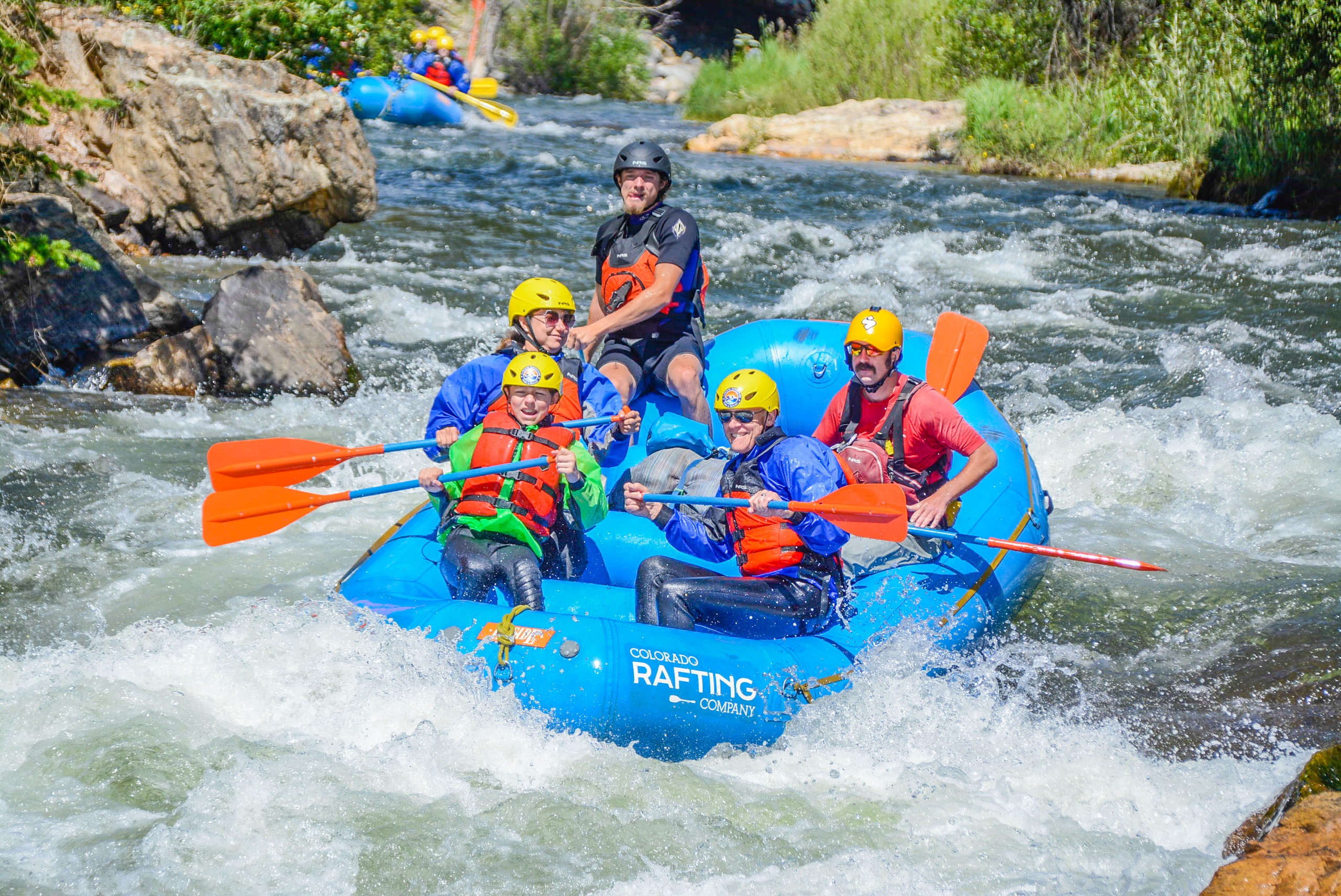
But Winter Park is more than resort statistics. The valley is threaded by the Fraser and Colorado—clear, cold rivers that anchor a raft-and-fish culture. Local outfitters stage guided rafting trips, supply fly-fishing half-days, and assemble snowmobile tours when the season turns white. For the traveler who wants to swap a climbing pitch for a guided eco tour, or a long backcountry day for a relaxed city tour of local breweries, Winter Park scales to the desire. Walking tours and city-tour options offer an easy morning for non-riders, while bike-rental and bike-tour businesses let you sample alpine bike paths and paved scenic loops.
Arrive in any season and you’ll find movement: joggers along the river walk, skiers queuing lifts at dawn, anglers wading riffles. The area’s history—ranching, rail, and powder—feels present in the architecture and the rhythms of seasonal life. That balance of accessibility and wildness is Winter Park’s enduring appeal. Whether you’re planning a family weekend, a technical climbing trip, a week of ski laps, or a summer of multi-sport exploring, Winter Park lets you stack experiences without forfeiting the landscape’s hush. This guide blends practical planning—what to bring, best months, and sample itineraries—with immersive description so you can feel the mountain air before you lock in travel plans.
Outfitters make access easy: shuttles, guided raft and fishing trips, and rental fleets for bikes and snowmobiles mean you can test something new without owning gear. Local guides also know seasonal hazards—spring runoff, fall closures, and winter avalanche dynamics—so hiring expertise when you’re pushing into technical terrain is a wise trade-off.
Winter Park pairs outdoor ambition with small-town amenities. Post-adventure coffee, mountain pubs, and local eateries make for low-friction downtime, and lodging ranges from slope-side condos to cozy cabins in Fraser. Shoulder seasons—late spring and early fall—often reward early risers with solitude on trails and value pricing on stays.
Winter Park’s advantage is variety without surrendering the day to long transfers.