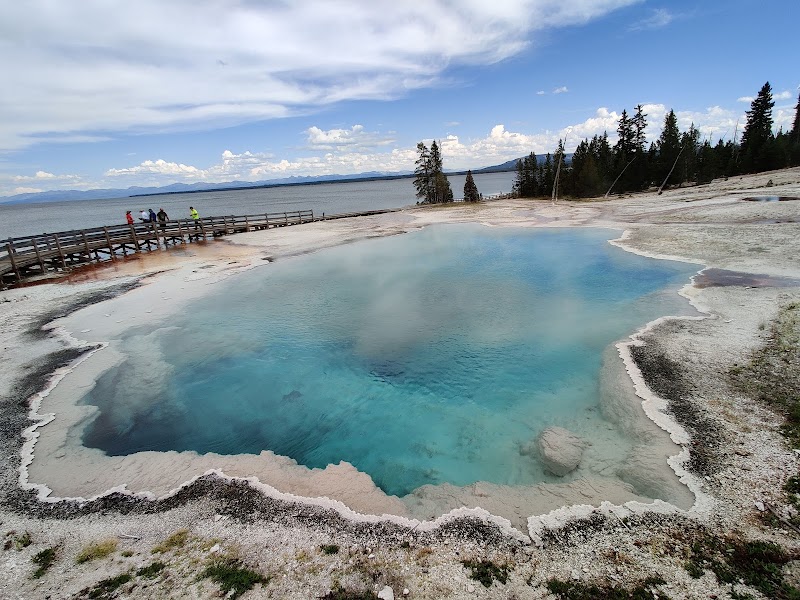
Yellowstone reads like a living atlas of wild places—geyser basins bubbling with mineral color, sweeping valleys where bison and wolves press the horizon, and rivers that braid thermal steam into dawn. This is a destination that asks for slow attention: the small rituals of checking a hydrothermal map before you walk a boardwalk, the patient stillness of a photography tour at first light, the quick pivot from a roadside sightseeing stop to a respectful distance wildlife watch. It’s also a study in contrasts. On a single day you can step from the formal safety of paved overlooks—where interpretive signs explain silica terraces and fumaroles—into long, insect-rich alpine meadows that demand routefinding and season-aware planning. Bring curiosity and restraint; Yellowstone’s rules protect both visitors and fragile ecosystems.
Adventure here scales naturally. For families and first-time visitors, bus tours, short walking tours, and the Upper Geyser Basin loops deliver iconic moments with a thin learning curve. For seasoned travelers, the park’s lacework of trails, from ridge-traversing hikes to backcountry lakes that accept kayak launches, invites longer itineraries. Winter flips the script: snowmobile treks, guided snowcoach rides, and quiet cross-country routes reveal quiet, otherworldly textures. Every visit ties into a deeper conservation story—park rangers and eco tours frequently weave natural history and stewardship into outings, making each activity both an experience and an education. Use the top tags—wildlife, hiking, photography tour, snowmobile, eco tour, and water activities—as a shorthand for building days. Start with a scouting loop at sunrise, stack a midday hike or bike rental lap, and finish with a riverside photography session; repeat at a different valley, and the park’s breadth becomes a mosaic of distinct memories.
Access is logistical but manageable: main corridors like the Grand Loop Road connect the park’s headline attractions, while abundant outfitters in gateway towns simplify bike rentals, guided wildlife excursions, and boat or kayak tours. Summers bring high visitation; early starts and staggered itineraries are the simplest crowd-management strategies.
Pair the wild with thoughtful planning—reserve lodges or campsites early, check road and boardwalk closures, and respect seasonal wildlife closures. When winter conditions close roads, the park’s winter-only activities—snowmobile escorts and guided snowcoach transfers—offer a wholly different, quieter lens on the same geothermal theater.
Yellowstone National Park’s advantage is variety without surrendering the day to long transfers.