PLYMOUTH VR FIELD GUIDE
Inside Plymouth’s High-Intensity VR Racing Simulator
Hands-on sessions in Project Cars 2 VR using force-feedback rigs, wind and haptics — this guide explains what to expect from 30-, 60- and 90-minute bookings.
Inside Plymouth’s High-Intensity VR Racing Simulator.
At Player Ready VR — Plymouth you step beyond a screen into a full-motion racing simulator: high-end VR headsets and powerful PCs render realistic circuits from around the world while force feedback, wind and haptics translate every curb, gearshift and draft into physical sensation. Sessions are offered for individuals and teams, and the operator structures bookings so groups can race together by reserving multiple rigs and swapping drivers through a session.
Highlights
Outing Highlights
Top-tier VR hardware and PCs
Player Ready VR uses high-end VR headsets paired with very powerful PCs to deliver the next level of immersion for driving simulations.
Force feedback, wind and haptics
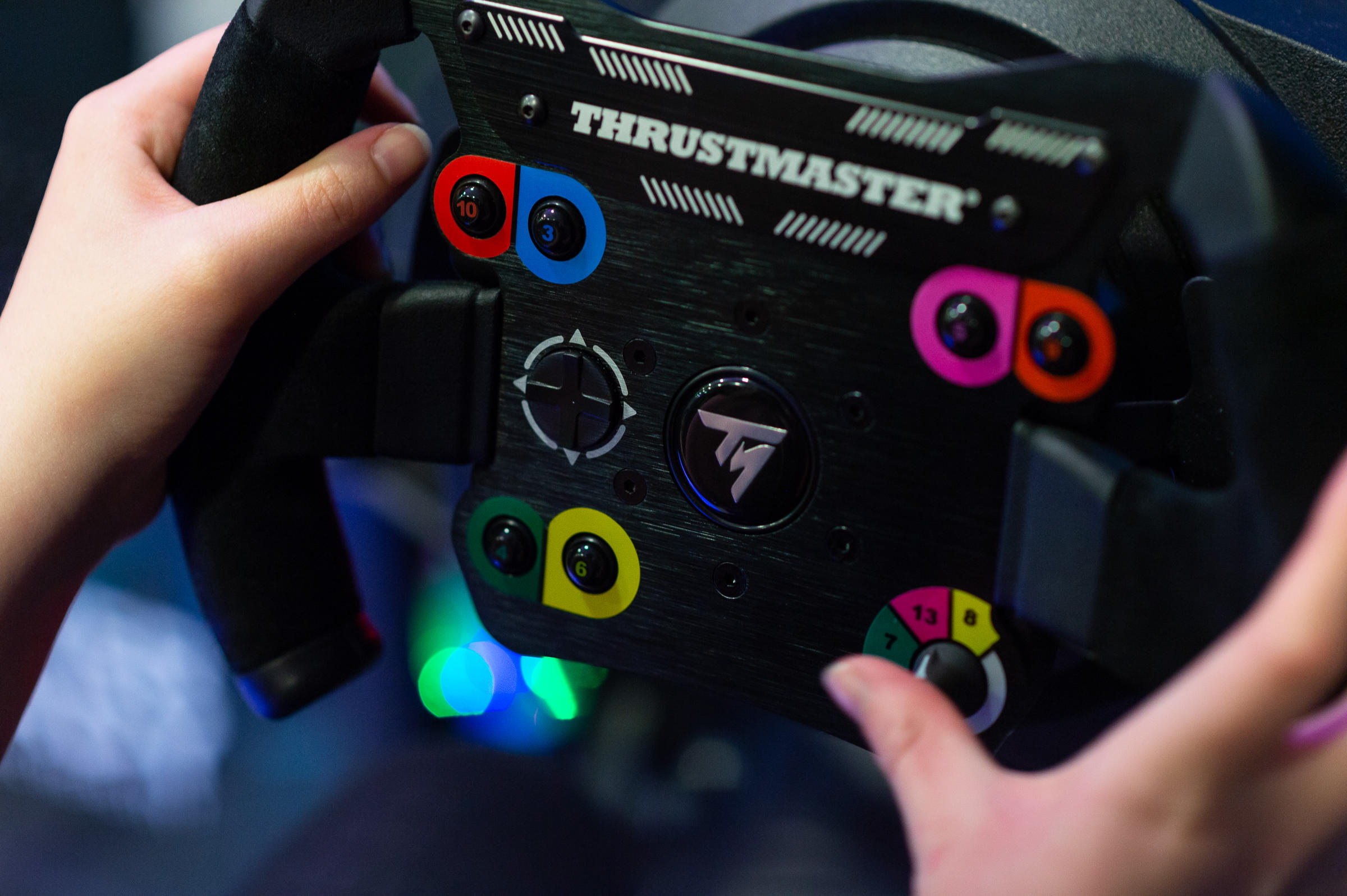
The simulators include force feedback, wind and haptic effects to make each lap feel visceral while running realistic tracks from around the globe in Project Cars 2 VR.
Quick controller and rig tutorial
Every participant receives a brief controllers tutorial before getting on track; single-driver rules apply and bigger groups are advised to book longer slots and swap between races.
What the day feels like
What the session feels like
You arrive at the simulator, don a high-end VR headset and take a seat in a force-feedback rig; after a short controllers tutorial you tackle timed sessions in Project Cars 2 VR, feeling wind, vibrations and motion cues that mirror the virtual track. Sessions are structured as discrete blocks (30, 60 or 90 minutes), and teams can book multiple rigs to race head-to-head by swapping drivers during the booked slot.
Suitability
Who it's for
Who this experience suits — and who should look elsewhere.
Practical planner
Details to review before reserving
Sessions are available in 30-, 60- and 90-minute durations.
All simulation hardware is provided on site: high-end VR headsets, powerful PCs and force-feedback rigs; participants receive a controllers tutorial before racing.
One driver per car; to race as a team book multiple cars. Bigger groups are advised to book longer slots and swap drivers between races during the session.
Review cancellation policies before reserving.
Frequently asked questions
Planning Your Outing
How long are VR Racing Session bookings?
Sessions are offered in 30-, 60- and 90-minute blocks.
What is the minimum age to participate?
Participants must be at least 12 years old.
Can we race as a group or team?
Yes — one driver per car is the rule; to race as a team book more rigs and plan driver swaps during your booked slot.
What software and hardware are used?
Racing runs on Project Cars 2 VR using force-feedback simulators, wind and haptic effects with high-end VR headsets and powerful PCs.
Will I get any instruction before driving?
Yes — every participant receives a quick controllers tutorial before taking to the virtual track.
How are larger groups handled?
Bigger groups should book longer slots and rotate drivers between races during the booked time to ensure everyone gets track time.