WAIKOLOA VILLAGE WHALE WATCH FIELD GUIDE
Dawn Catamaran into the Humpback Sanctuary — Wake up with the Whales from Anaehoʻomalu Bay
An early-morning catamaran whale-watch from Anaehoʻomalu Bay that places you in the Humpback Whale Sanctuary with expert naturalists and onboard hydrophones—this guide orients you to what to expect.
Dawn Catamaran into the Humpback Sanctuary — Wake up with the Whales from Anaehoʻomalu Bay.
Morning light, calm water and the slow rise of a catamaran set the scene for a focused whale-watch inside the Humpback Whale Sanctuary. Naturalists point out behaviors while passengers listen for underwater song through onboard hydrophones; if whales remain elusive, the operator offers a free re-ride until you sight one.
Highlights
Outing Highlights
Comfortable catamaran departures from Anaehoʻomalu Bay
The trip launches from Anaehoʻomalu Bay into placid early-morning waters aboard a comfortable catamaran, designed for stable viewing and listening.
Inside the Humpback Whale Sanctuary
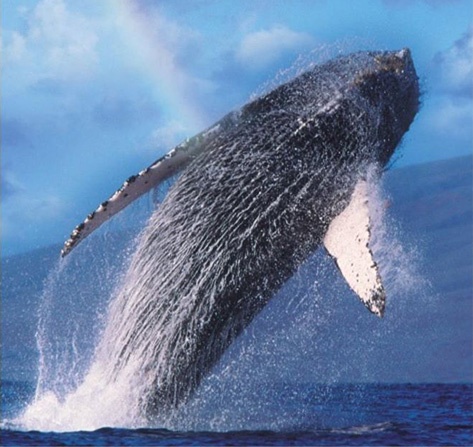
This cruise operates within the Humpback Whale Sanctuary, offering close-range observation of humpbacks when they surface and the chance to hear their songs through hydrophones.
Expert naturalists and a return-ride guarantee
Trips are guided by experienced naturalists who interpret behavior and sound; the operator’s policy lets you return for free if you don’t spot a whale on your outing.
What the day feels like
What it feels like to be aboard
You board at first light, cut through glassy water on a low-slung catamaran and settle into an expectancy that is part science, part ritual. Naturalists scan and narrate; hydrophones translate the sea’s bass notes into human hearing. The trip is deliberately calm and observant—designed for watching and listening rather than speed or spectacle.
Suitability
Who it's for
Who gets the most from this outing—and who should check the details first.
Practical planner
Details to review before reserving
Trips run in the early morning into calm waters and operate inside the Humpback Whale Sanctuary; expect guided, low-speed observation and hydrophone listening.
Hydrophones are part of the onboard experience; confirm the operator’s recommended gear list before you go and bring personal items your physician recommends if you are prone to motion sensitivity.
The cruise departs from Anaehoʻomalu Bay; verify embarkation details with the operator ahead of time.
Review cancellation policies before reserving.
Frequently asked questions
Planning Your Outing
Where does this trip depart?
The cruise departs from Anaehoʻomalu Bay.
What type of boat is used?
The outing is conducted aboard a comfortable catamaran suited to stable viewing in calm, early-morning waters.
Are there guides aboard?
Yes—expert naturalists guide the trip and provide interpretation of whale behavior and sound.
Can I hear whale song?
Yes—hydrophones are used so passengers can hear humpback whale songs underwater.
What if we don’t see a whale?
If you don’t spot a whale, the operator offers a free re-ride until you do.
Is this suitable for children or people sensitive to motion?
Many families participate, but check the operator’s guidance on age limits and health considerations; those prone to seasickness should consult the operator before booking.