About This Adventure Destination
Kutz Canyon Paleontological Area: A Scenic Window into Deep Time
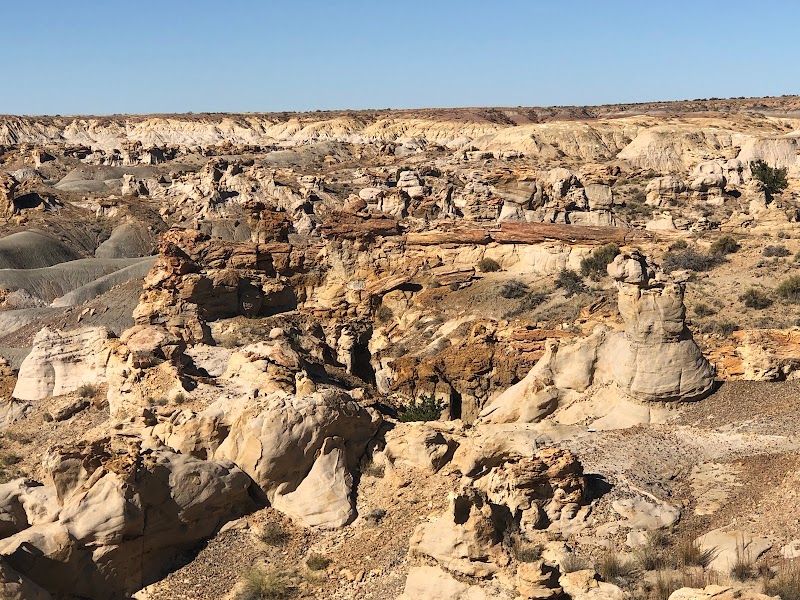
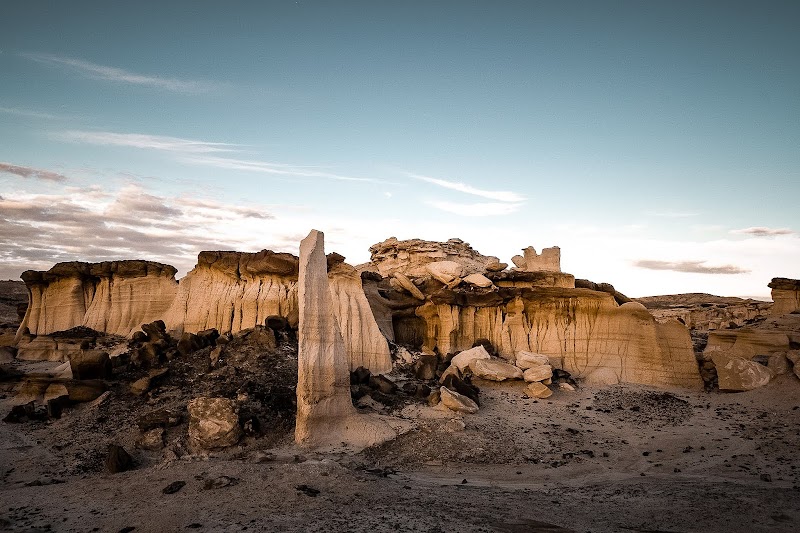
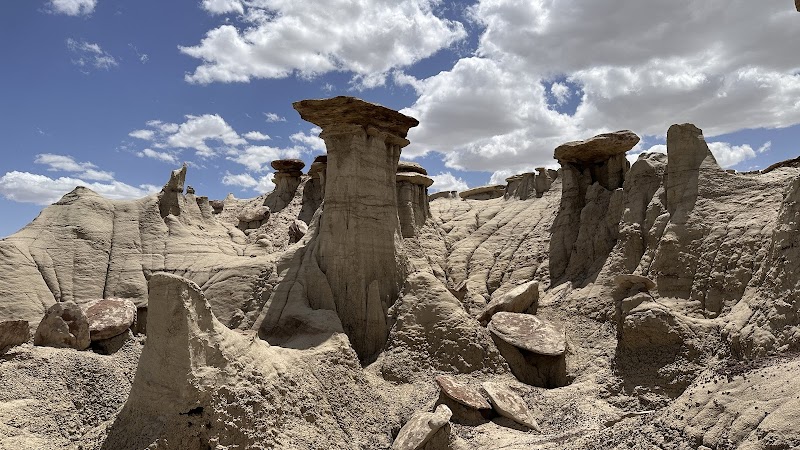
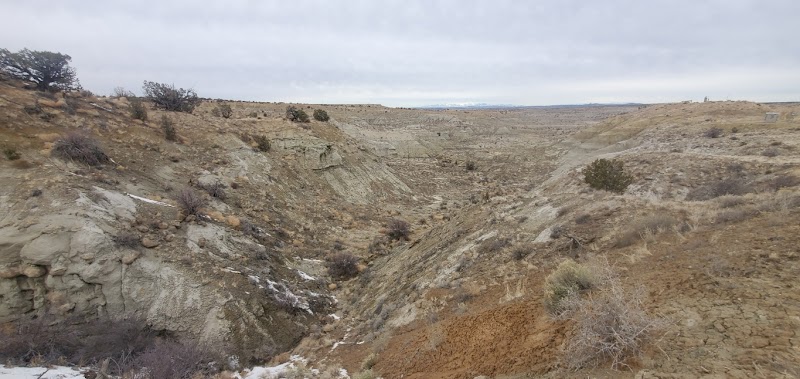
The Kutz Canyon Paleontological Area, located near Bloomfield in northwestern New Mexico, offers a fascinating glimpse into Earth's prehistoric past within an arid canyon landscape. This site is especially notable for its sedimentary rock layers and rich fossil deposits that draw the attention of geology enthusiasts and paleontologists alike. The canyon itself features rugged terrain composed primarily of sandstone and shale, shaped over millions of years by natural erosion processes. Sparse desert vegetation and small juniper trees dot the slopes, complementing the quiet, expansive vistas. Visitors come here not only to appreciate the dramatic geological formations but also to witness fossils that reveal the types of plants and animals that once inhabited this region during the Late Cretaceous period. The area is a distinctive natural laboratory for studying the ancient environments of the San Juan Basin. While it remains less crowded than many national parks, its scientific importance and raw natural beauty make it a standout destination for outdoor lovers interested in geology, paleontology, and desert landscapes. The blend of solitude, earth science significance, and scenic canyon views creates a memorable experience unique to this part of New Mexico’s high desert country.
Kutz Canyon Paleontological Area stands out as a significant natural site primarily for its fossil-rich geological formations and desert canyon landscape. It offers a meaningful experience for visitors interested in geology and hiking in a lesser-known, tranquil setting. While scientifically remarkable and visually engaging, it lacks the scale, tourist infrastructure, and broad cultural impact of the highest-rated natural landmarks globally. Its rating reflects its importance as a specialized outdoor destination with unique paleontological value but limited mainstream appeal compared to the world’s major natural wonders.