OOlenca Ugarte2 months ago
Lifetime Trek to Machu Picchu!
Once you've secured your permit, the logistics of the trip are handled by a tour operator. Most trekkers book a guided tour, as the trail is well-marked but can still be challenging to navigate without a local guide. The tour typically includes transportation from Cusco to the trailhead, meals, porters to carry camping gear, and all the necessary camping equipment. While some trekkers prefer to carry their own packs, having porters allows you to focus on the journey itself without worrying about heavy loads.
The trek itself is physically demanding, so preparation is key. Regular cardiovascular and strength training is recommended, especially for the uphill sections of the trail. Altitude acclimatization is also essential, as the hike reaches over 4,200 meters (13,800 feet) at its highest point, Dead Woman’s Pass.
The first day of the Inca Trail begins with an early morning pickup from your hotel in Cusco. After a scenic drive to the starting point at Kilometer 82 (approximately 2 hours from Cusco), the group begins the trek with a relatively easy section, crossing the Vilcanota River and walking through lush, green landscapes. The views are already striking, with the towering mountains providing a dramatic backdrop.
Day 1 is generally considered to be the easiest of the four days. The terrain is mostly flat with a gradual ascent, which gives trekkers a chance to acclimatize to the altitude and get used to the pace of the hike. Along the way, there are several ruins to explore, including Patallacta, an ancient Inca settlement that offers a glimpse into the early history of the Inca Empire. The site is small but fascinating, with a series of terraces, plazas, and stone structures that are believed to have been used for ceremonial purposes.
The second day ends at the second campsite, which is usually set in a beautiful high-altitude valley. The temperature can drop significantly here, so it’s important to bring warm clothing for the evening. After another delicious dinner, trekkers can rest and prepare for the third day, which is slightly less intense.
One of the highlights of Day 3 is the Inca site of Phuyupatamarca, which means "Town in the Clouds." Perched on a ridge, the site offers impressive views of the surrounding mountains and valleys. The ruins are well-preserved, with a series of stone structures, terraces, and a large ceremonial fountain. A guided tour of the site adds to the experience, as the guide explains the historical and cultural significance of the site.
Day 3 ends with a sense of excitement, as the destination—Machu Picchu—is now within reach. The anticipation builds as trekkers prepare for the final day of the journey.
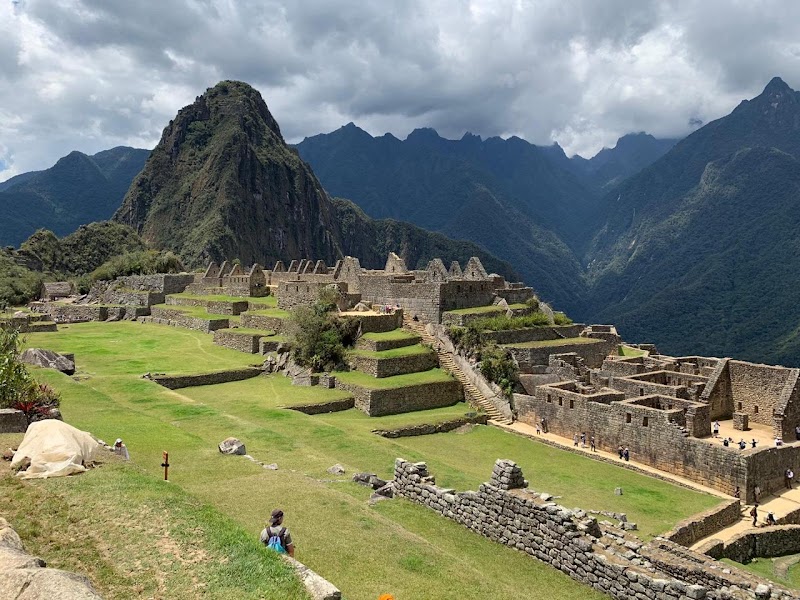
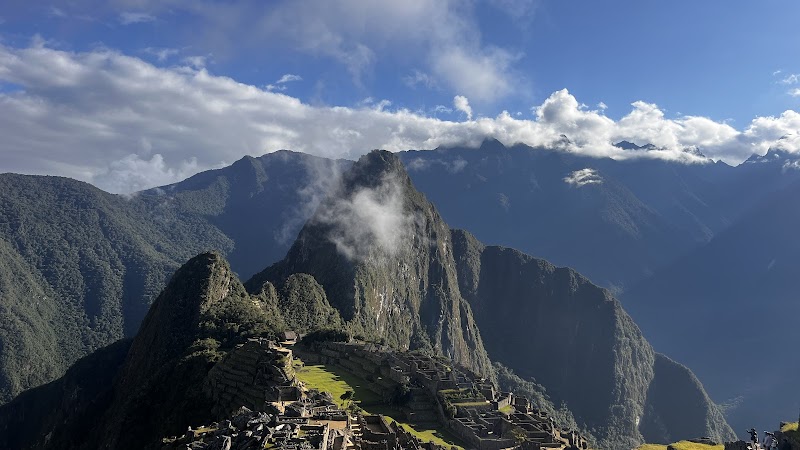
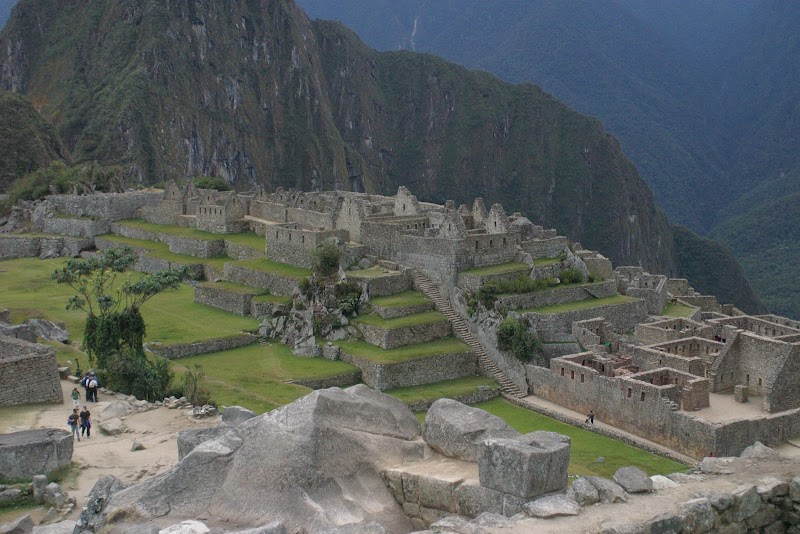
The final day of the Inca Trail is the culmination of the entire trek. It begins early, with trekkers setting out before dawn in order to catch the sunrise at the Sun Gate (Inti Punku). The trail to the Sun Gate is relatively short, but it’s a steep ascent, and many trekkers are eager to reach the top to witness the first rays of light touching the ancient city below. You must do it!