About This Adventure Destination
The Sundarban Mangrove Forest, located near the city of Kolkata in West Bengal, India, stands as the world’s largest continuous mangrove forest and a vital ecological hotspot. Spanning across thousands of square kilometers within the Ganges delta, this remarkable forest covers an intricate network of tidal waterways, mudflats, and small islands, creating one of the planet’s richest natural environments. This area supports an abundance of wildlife, most famously the elusive Bengal tiger, known to roam these dense mangroves alongside diverse species of birds, reptiles, and aquatic life.
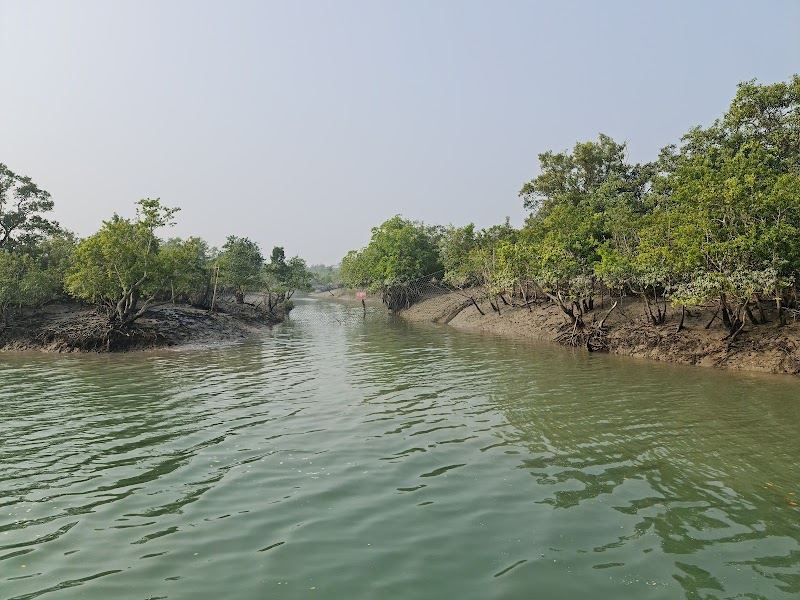
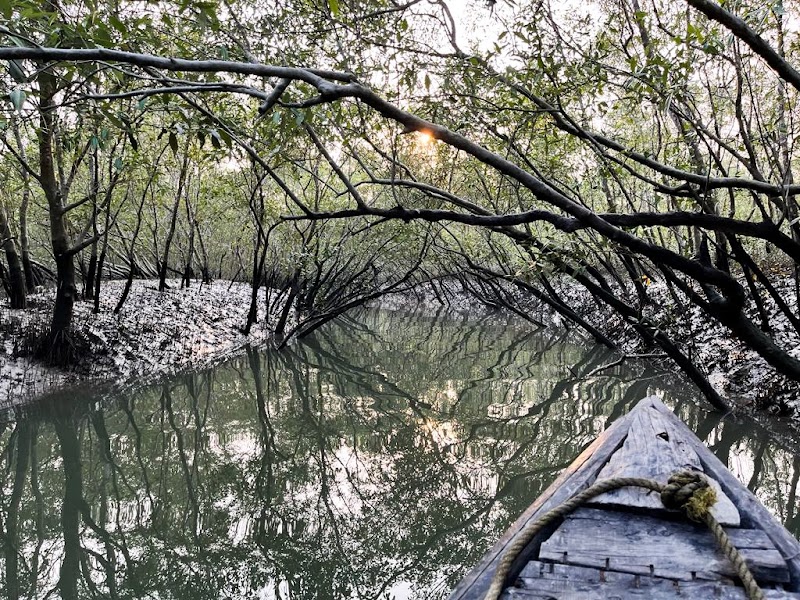
This remarkable forest features thick mangrove trees with tangled roots that stabilize the coastline against erosion and provide critical breeding grounds for fish and endangered species. Visitors often find themselves captivated by the shimmering water channels weaving through clusters of green leaves, a haven rarely found elsewhere. Designated as a UNESCO World Heritage Site in 1987, the Sundarban not only preserves biodiversity but also offers a glimpse into the balance between land, tide, and wildlife.
The cultural significance of the area is enriched by local folklore and centuries-old traditions of communities living in harmony with this watery wilderness. Travelers appreciate its peaceful atmosphere, with many praising the gentle lapping of water and calls of native birds as a perfect escape from city life. Whether admired for its ecological importance or its natural calm, the Sundarban Mangrove Forest remains a singular destination in West Bengal, inviting those who value nature’s raw and dynamic beauty.
**LaunchPad Value:** The Sundarban Mangrove Forest scores 85 for its unparalleled biodiversity and ecological importance. Its unique mangrove ecosystem, rich wildlife—including the Bengal tiger—and the protection it provides to coastal areas elevate its status as a prominent natural landmark.#Adventure #Sundarban #WestBengal #MangroveForest