Sundarban National Park: A Mangrove Marvel
Adventure Destination

Sundarban National Park: A Mangrove Marvel

Explore Sundarban National Park, a renowned sanctuary in West Bengal, famous for its Royal Bengal Tigers and diverse wildlife. Ideal for animal lovers and photographers, best explored by boat tours between November and February.

Wildlife Watching9.2/10Moderate
Photo Gallery

Category

Wildlife Watching

Typical Duration

2-4 hours

Difficulty

Moderate

About This Adventure Destination

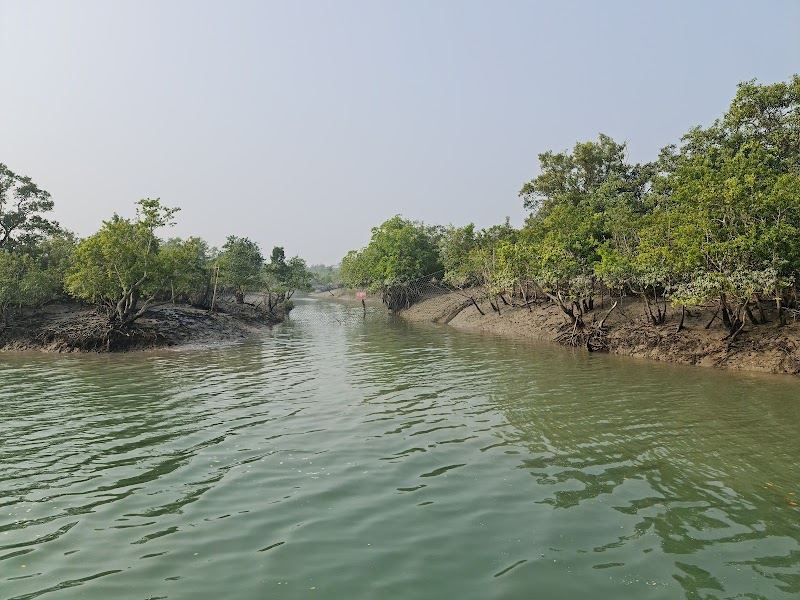
Sundarban National Park in West Bengal offers a rare glimpse into one of the largest mangrove forests on Earth. Situated in the vast delta region near the city of Gosaba, this UNESCO World Heritage site spans an extensive network of tidal waterways, mudflats, and dense mangrove vegetation. What makes this destination truly stand out is its unique mix of salt-tolerant flora and diverse fauna, including the famed Royal Bengal Tiger, which roams these wetlands silently. The park’s distinctive mangrove landscape is a crucial habitat supporting hundreds of species, including saltwater crocodiles, spotted deer, various reptiles, and over 200 types of birds.

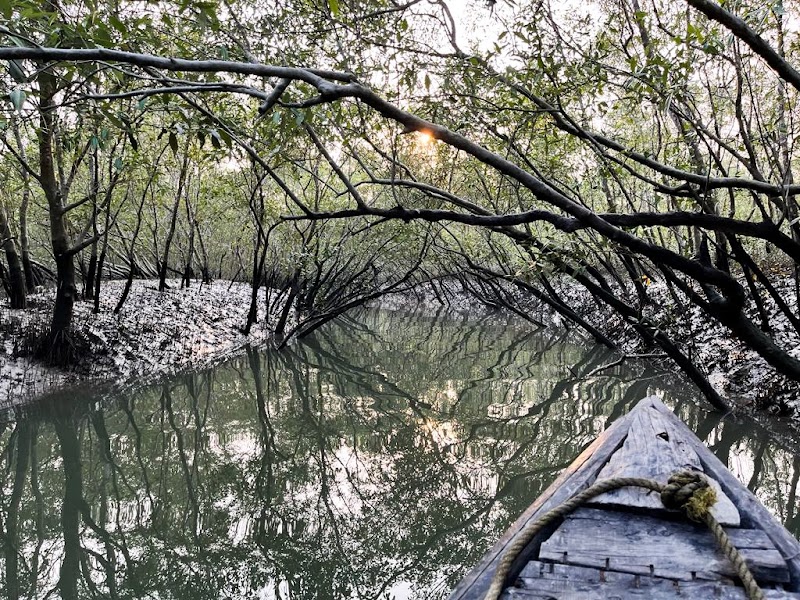
Formally established as a national park in 1984, Sundarbans serves as both a wildlife sanctuary and a vital ecological zone protecting the coastal areas from erosion and storms. Among the mangroves, the Sundari tree, which lends its name to the region, predominates and helps sustain this complex ecosystem. Visitors can witness the interplay of water and forest as tidal floods shape the terrain daily, creating ever-changing pathways and habitats. The remote villages nearby reveal how humans live in close connection with this wild environment—sharing space with the wilderness and adapting to its challenges. This blending of natural marvel and traditional life makes Sundarban a refreshing experience away from urban bustle. Whether catching a glimpse of a tiger or gliding through winding channels on a boat, Sundarban National Park invites travelers to appreciate nature’s resilience and diversity in a setting unlike any other in India.


Editorial Assessment

Sundarban National Park is rated highly due to its unique ecological significance and rich biodiversity. It serves as a critical sanctuary for the Royal Bengal Tiger and other distinct species within the world's largest mangrove ecosystem, making it a one-of-a-kind natural landmark.#Mangroves #WildlifeWatching #India #NationalPark #TravelGuide #Sundarban
Sundarban National Park: A Mangrove Marvel

Adventure Guide to Sundarban National Park: A Mangrove Marvel

1

1. Guided Boat Safari Through Mangrove Channels

  • Location:

    Core zones of the park near Gosaba

  • Specialty:

    Navigate narrow waterways to spot wildlife like Royal Bengal Tigers, crocodiles, and many birds.

  • Features:

    Small motorized boats steered by experienced guides with binoculars provided.

  • Local Insights:

    Early mornings or late afternoons offer cooler temperatures and higher chances of animal sightings.

  • Visitor Tips:

    Plan visits between November to February for pleasant weather; bring insect repellent, sun protection, and wear lightweight, neutral colors.

2

2. Bird Watching at Sajnekhali Bird Sanctuary

  • Location:

    Within Sundarban National Park

  • Specialty:

    Observation towers and trails amid mangroves provide excellent views of over 200 bird species, including migratory birds.

  • Features:

    Well-maintained watchtowers and an interpretation center for bird enthusiasts.

  • Local Insights:

    Dawn and dusk lengths maximize opportunities for spotting rare birds like kingfishers and herons.

  • Visitor Tips:

    Carry a camera with zoom, a bird guidebook, and binoculars. Avoid loud noise to keep birds undisturbed.

3

3. Village Cultural Walks in Nearby Gosaba

  • Location:

    Villages bordering the park

  • Specialty:

    Learn about traditional lives confronting the delicate balance between nature conservation and livelihood.

  • Features:

    Meet local fishermen, honey collectors, and craftsmen who depend on the mangrove ecosystem.

  • Local Insights:

    The community plays an important role in wildlife protection while adapting to natural challenges such as flooding and tiger conflicts.

  • Visitor Tips:

    Respect local customs, carry water, and wear comfortable walking shoes. Engage local guides for meaningful interaction. ---

4

Getting There & Practical Information

  • Best Time to Visit:

    November to February — mild temperatures and increased wildlife activity.

  • Travel:

    From Kolkata, take a 3.5 to 4-hour drive or train to Gosaba, followed by a short boat ride to the park entrance.

  • What to Bring:

    Binoculars, insect repellent, water bottles, sunscreen, and suitable clothing for warm, humid conditions. Sundarban National Park offers a blend of thrilling wildlife sightings, peaceful natural waterways, and insight into a unique culture shaped by India’s largest mangrove forest.

Reviews

S
Soumen Gharuiin the last week

Great destination! Enjoyed the open trail and peaceful outdoor atmosphere.

A
Ankush Kumarin the last week

Great destination! Enjoyed the open trail and peaceful outdoor atmosphere.

S
Swapan Kumar Ghoshin the last week

Great destination! Enjoyed the open trail and peaceful outdoor atmosphere.

A
Arjun Hembramin the last week

Great destination! Enjoyed the open trail and peaceful outdoor atmosphere.

O
Omin the last week

Great destination! Enjoyed the open trail and peaceful outdoor atmosphere.

Nearby Adventures

Bookable Experiences

No bookable tours found for this category near Kolkata, West Bengal

Try switching to "All Adventures" to see available outdoor expeditions.