About This Adventure Destination
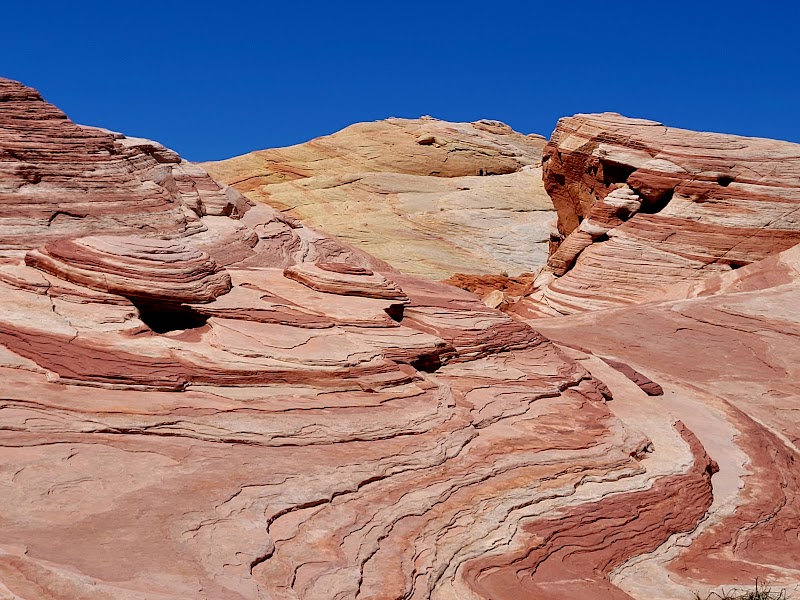
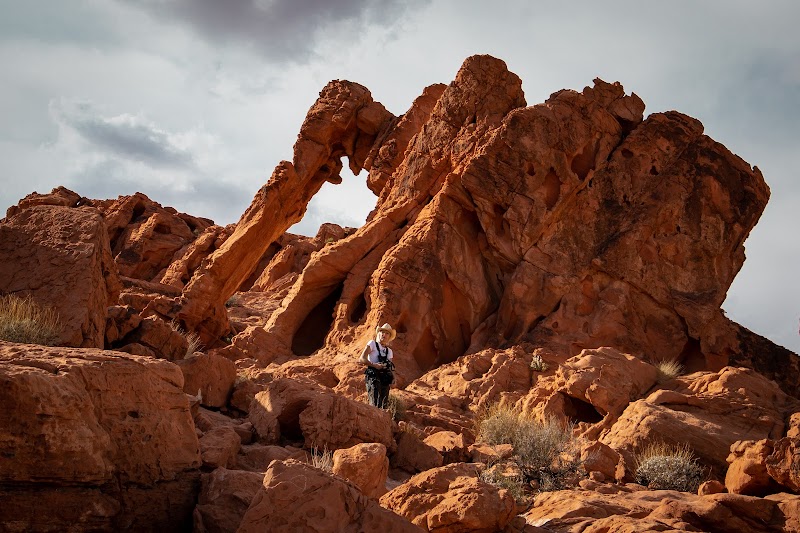
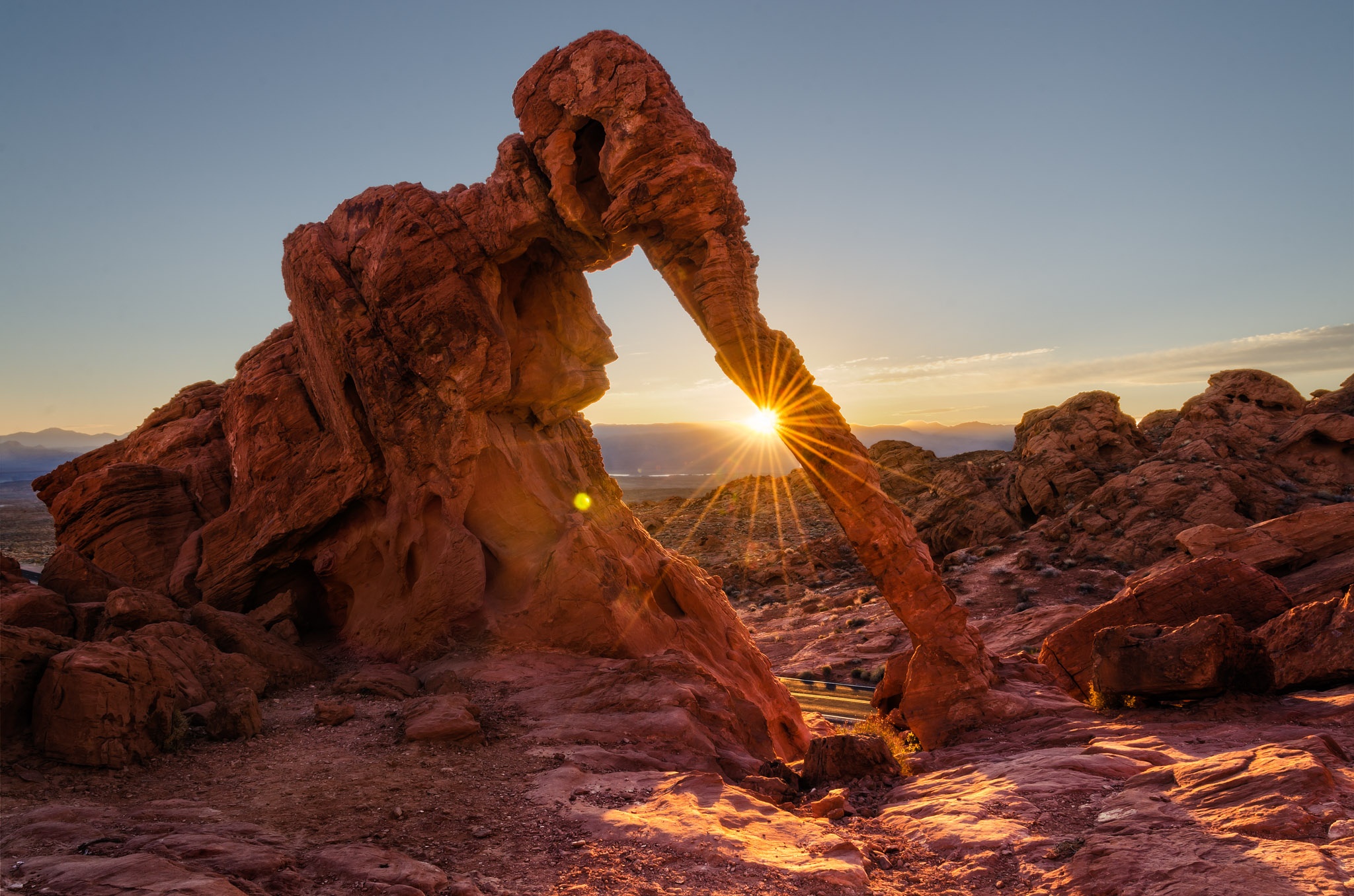
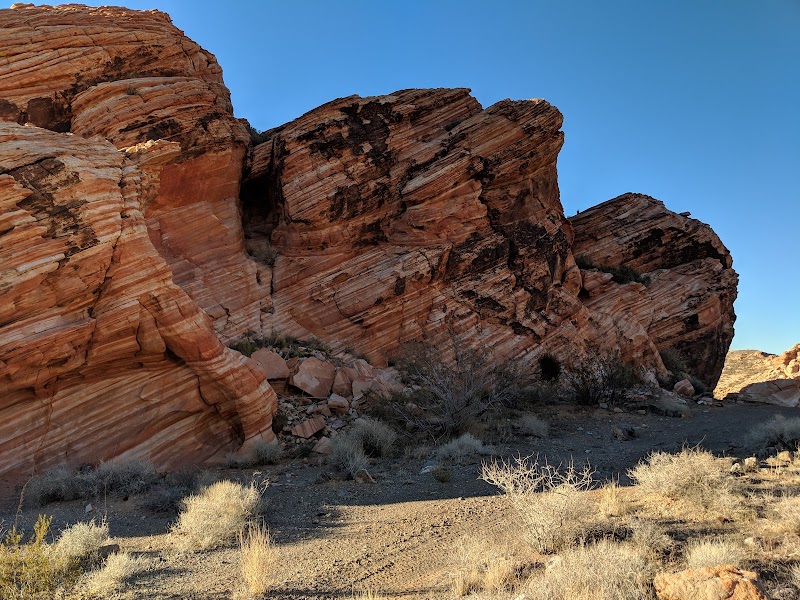
Buffington Pockets is a striking natural area located in southern Nevada known for its rugged rock formations and challenging terrain. This outdoor destination stands out in the Nevada desert landscape for its unique sandstone pockets—smooth, eroded hollows and curls sculpted by wind and water over millennia. The layered sandstone rocks create dramatic cliffs and walls with distinctive striations of red, orange, and white hues, reflecting the geological history of the region.
The site’s varied rock pockets and washed-out canyons provide a visual and tactile experience that few desert locations offer. Native flora typical of the Mojave Desert such as creosote bushes and desert grasses thrive in the area, adding subtle bursts of green to the earthy palette. Historically, Buffington Pockets sits near routes once traveled by indigenous peoples and early settlers, and artifacts discovered nearby hint at this rich cultural past.
Its relatively untouched natural state, combined with complex rock formations, makes it a notable destination for visitors seeking more adventurous and off-the-beaten-path terrain. Although not a formal park or heavily developed, the rugged beauty and geological interest of Buffington Pockets appeal to nature enthusiasts, photographers, and those drawn to desert environments beyond the well-trodden paths.
With clear blue skies overhead and the warm colors of sandstone against the desert floor, Buffington Pockets offers an engaging experience for those looking to appreciate Nevada’s landscape shaped by natural forces over time.
Buffington Pockets is a remarkable natural site known primarily for its distinctive sandstone rock formations and challenging terrain suitable for off-road driving and hiking. It provides a unique experience for visitors looking for less commercialized desert landscapes with interesting geological and cultural history. While it offers a strong appeal to outdoor adventurers and rock collectors, its relative remoteness, lack of developed amenities, and challenges for accessibility moderate its overall iconic status. This ranking reflects its value as a special, niche destination rather than a widely recognized global natural landmark.