About This Adventure Destination
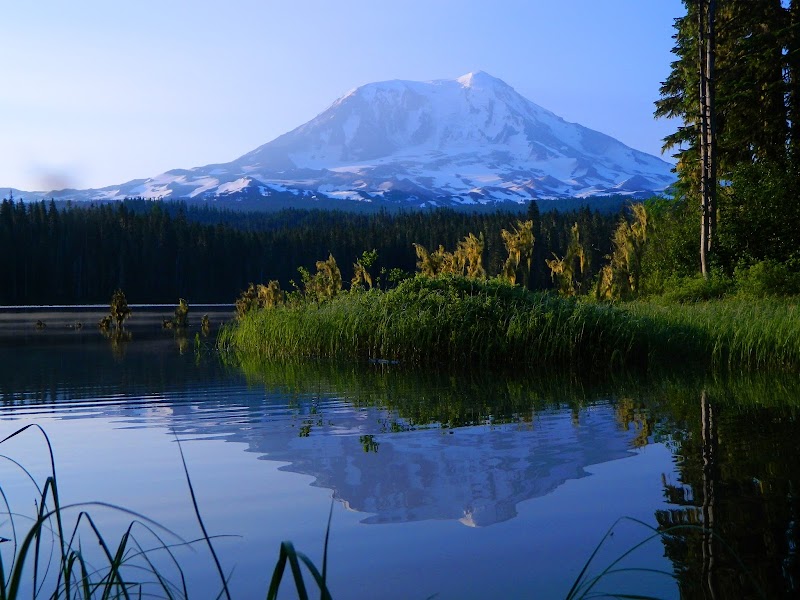
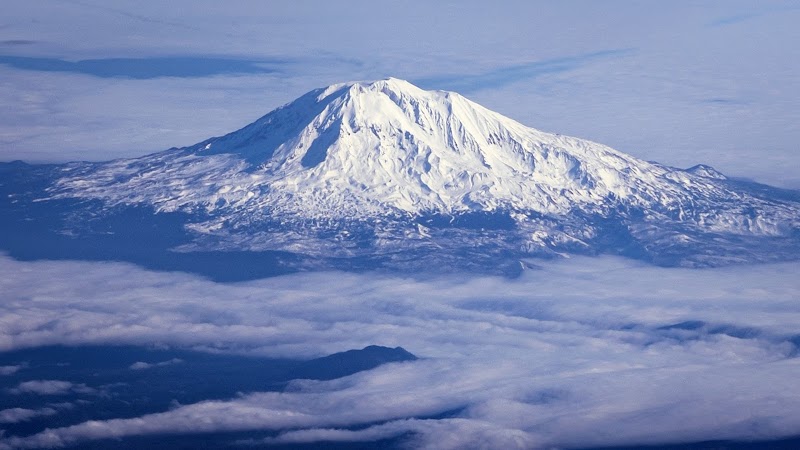
Mount Adams rises prominently in southern Washington, marking the second-highest peak in the state and an impressive feature within the Cascade Range. Towering at 12,281 feet, this massive stratovolcano stands east of Mount St. Helens and south of Mount Rainier, offering dramatic alpine views alongside glacial terrain rarely found at this elevation in the region. Its location within the vast Gifford Pinchot National Forest creates a striking contrast between snow-capped peaks and dense evergreen forests below.
The mountain’s surface is shaped by rugged lava flows, ancient glaciers, and sharp volcanic rock formations, making it a unique destination for those interested in geology and outdoor activities. The “Lunch Counter,” a broad lava rock field near 9,500 feet, is a popular resting spot during summit attempts and illustrates the volcanic origin clearly. Mount Adams holds cultural significance as well, known as Pahto or Klickitat by Native American tribes, with a portion of its eastern slopes belonging to the Yakima Nation. This rich human connection adds depth to its natural grandeur.
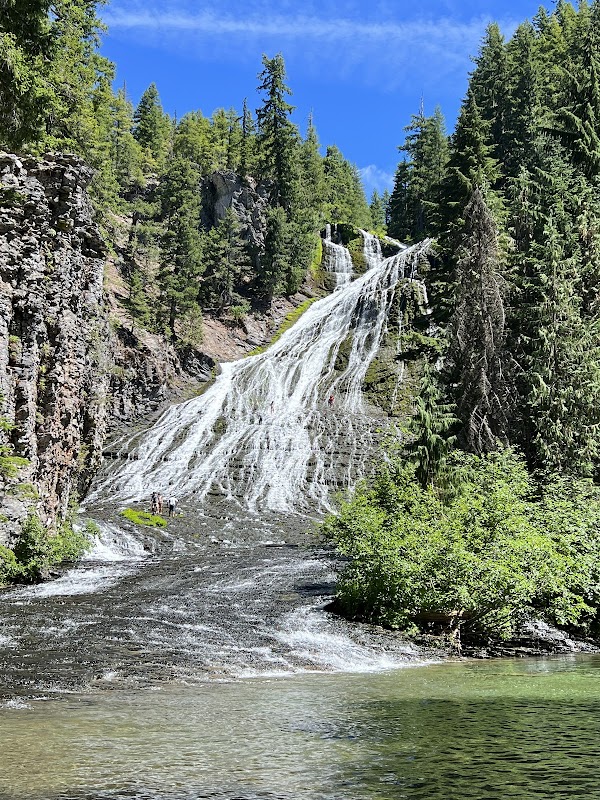
From gentle meadows bursting with wildflowers to icy crevasses and glaciated ridges, Mount Adams offers a diverse outdoor experience. Visitors can admire streams fed by melting glaciers, watch for wildlife such as mountain goats, and enjoy expansive views stretching into Oregon’s high desert and across the Cascade Crest on clear days. Its accessibility and relatively safe south side make it a sought-after destination for climbers ranging from beginners to seasoned hikers.
Mount Adams combines geological marvels, cultural history, and inviting wilderness into a truly memorable Pacific Northwest landmark, appealing to those who appreciate both natural beauty and physical challenge.
Mount Adams is celebrated for its majestic beauty and diverse recreational offerings. Its allure lies in the varied outdoor activities it supports, from hiking and climbing to serene camping escapes. However, it is slightly overshadowed by some larger volcanic landmarks in terms of popularity.